
Last updated September 23, 2026
Free visual inspection and a written scope of work before any mitigation begins - photos, moisture readings, and drying logs go in your claim file
The scope we write is the scope we bill. Anything new gets shown to you, in writing, before we touch it.
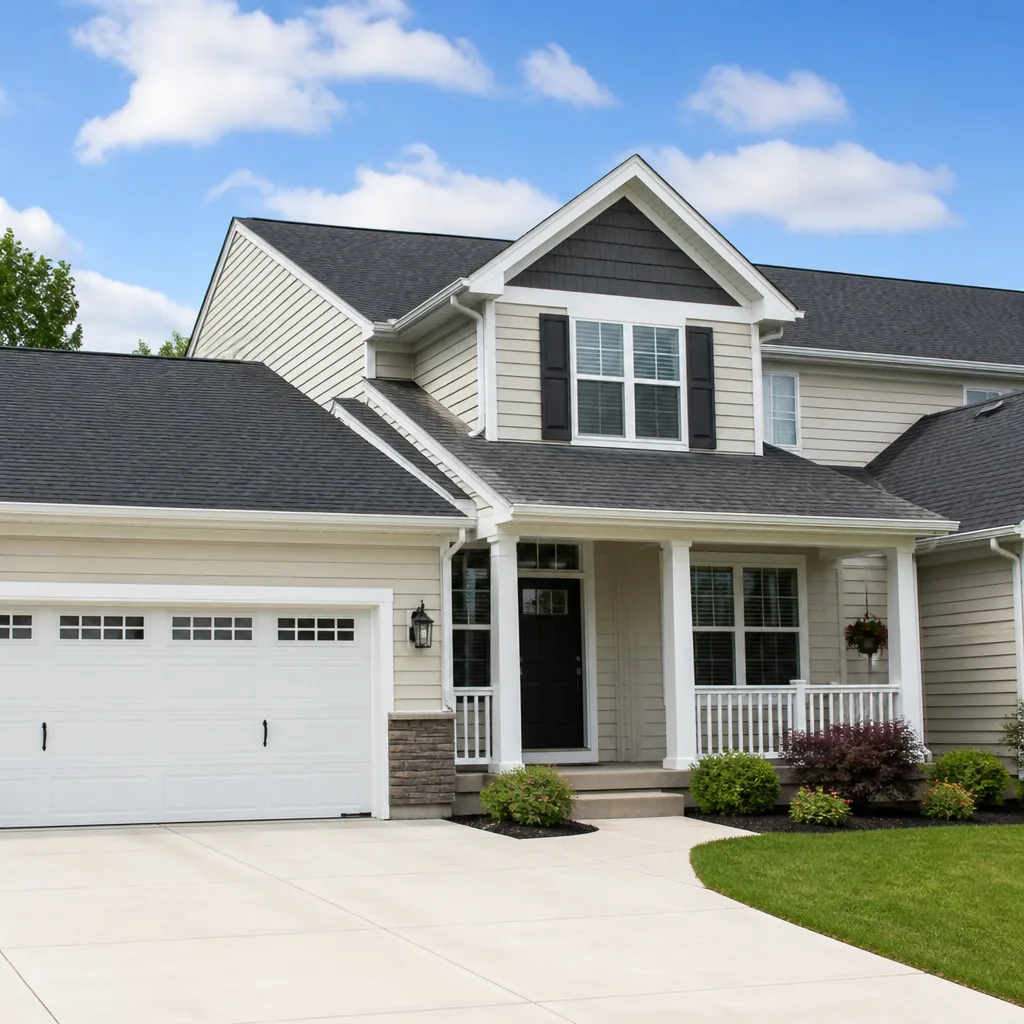
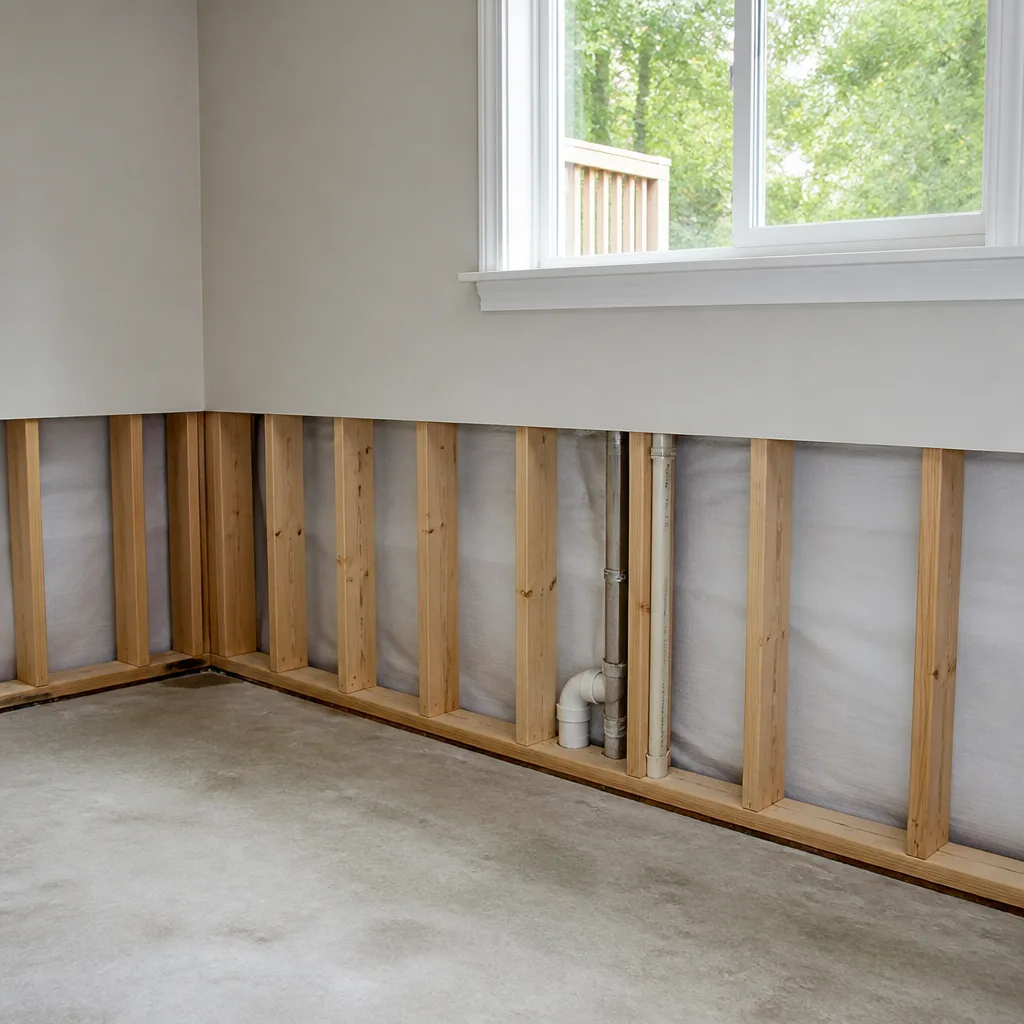
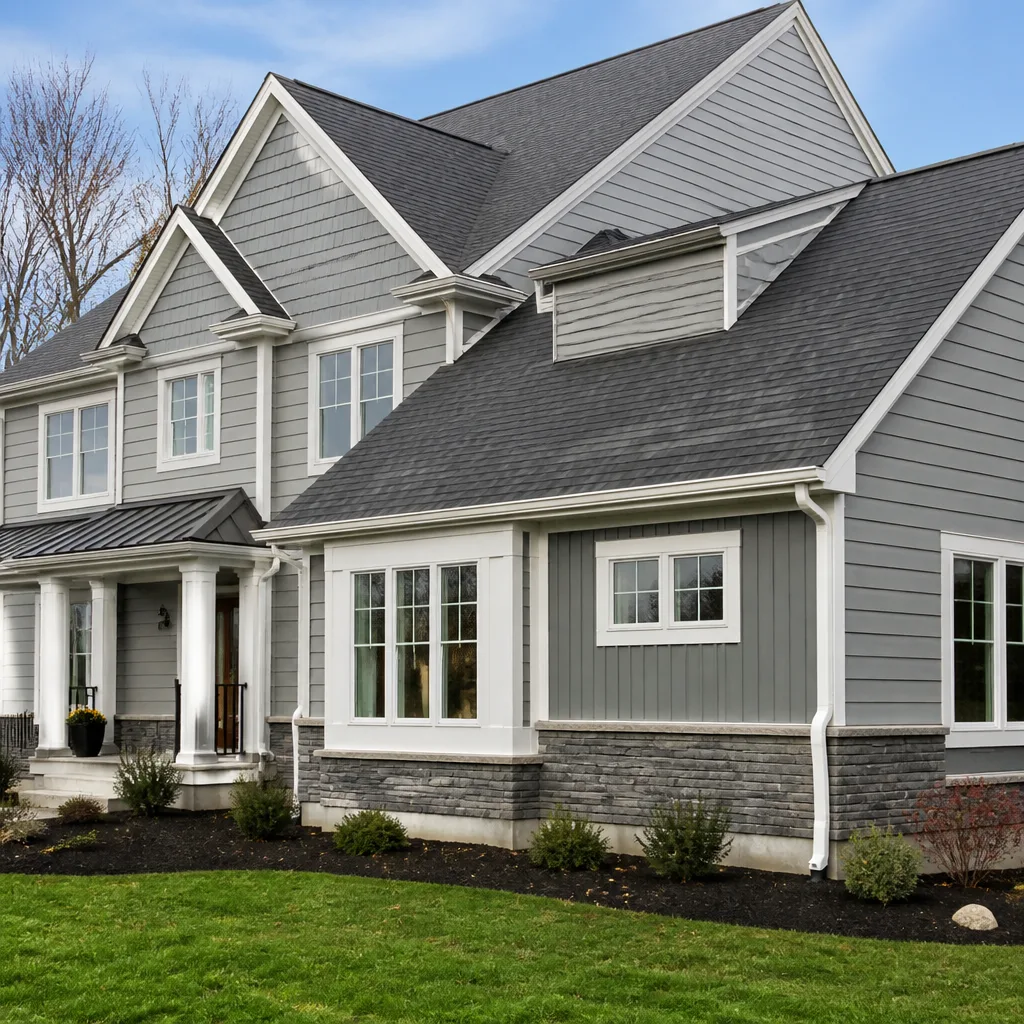
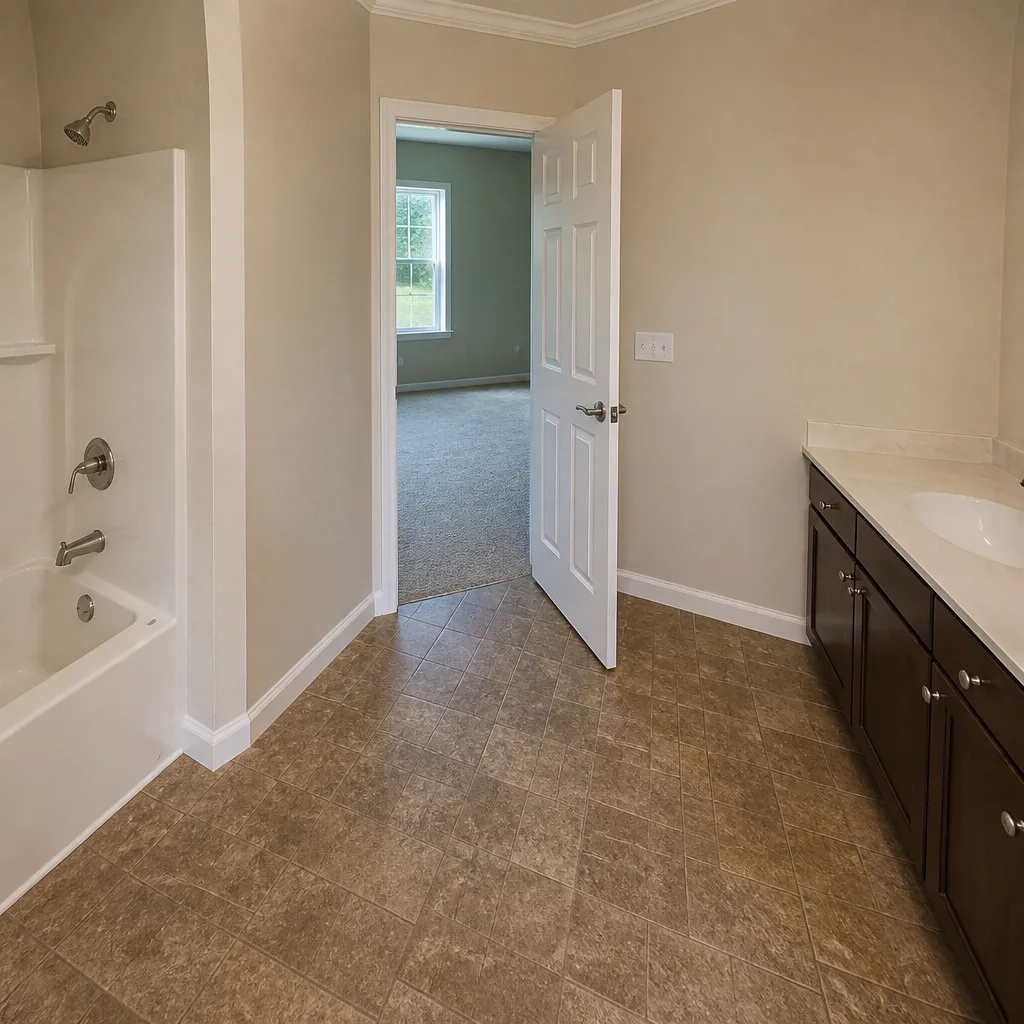
 Before
 After
After Before
 After
After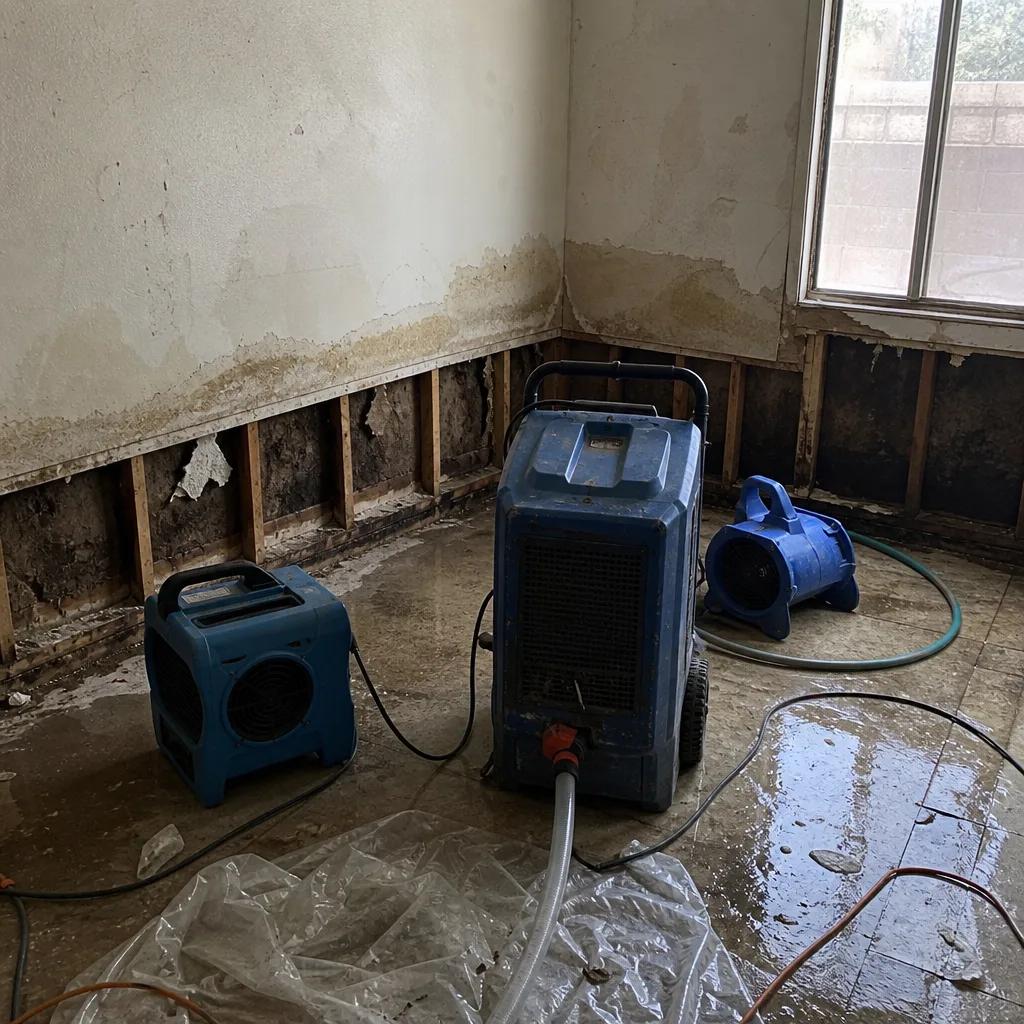 Before
 After
AfterHow to Hire a Damage Restoration Contractor in Las Vegas: A Step-by-Step Guide
Here’s a number that should change how you read every restoration contract: in Nevada, Assignment of Benefits agreements are fully legal, and once you sign one, your contractor controls your entire insurance claim. We’ve reviewed hundreds of restoration invoices in Las Vegas since 2011, and the homeowners who lose the most money aren’t the ones who picked the wrong company - they’re the ones who signed the wrong paperwork at 2 a.m. while water was still spreading through their Summerlin kitchen. This guide shows you exactly what to verify, what to refuse, and what must appear in writing before anyone touches your property, and you can explore The Complete Guide to Damage Restoration in Las Vegas for broader context.
Quick Answer
To hire a damage restoration contractor in Las Vegas, verify their Nevada State Contractors Board license (B-2 general plus C-3c specialty), demand a written scope with Xactimate line items and IICRC S500 drying standards before signing, and refuse any contract containing Assignment of Benefits language or open-ended work authorizations. A legitimate contractor will provide this documentation without pressure; one who won’t is telling you how they intend to bill.
Table of Contents
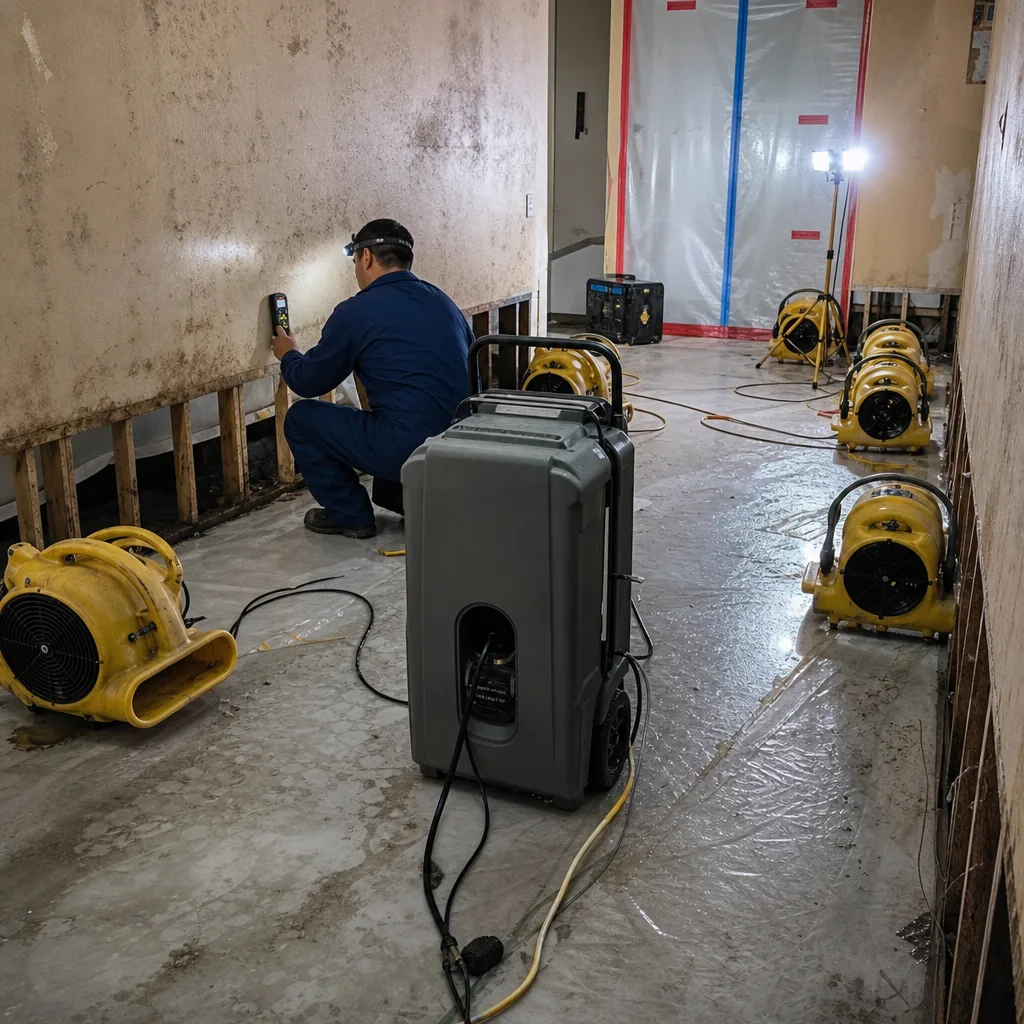
- Step 1: Verify Nevada License and Insurance on the NSCB Website
- Step 2: Read the Contract for Five Predatory Clauses Before You Sign
- Step 3: Demand a Written Scope with Xactimate Line Items
- Step 4: Ask About Documentation Cadence and Final Deliverables
- Step 5: Determine Who the Contractor Actually Works For
- Step 6: Verify Equipment and Drying Standards
- Common Mistakes to Avoid
- When to Call a Professional
- Frequently Asked Questions
- The Bottom Line
BeforeAfterStep 1: Verify Nevada License and Insurance on the NSCB Website
Every restoration contractor in Las Vegas must hold a valid Nevada contractor’s license, and the specific classification matters more than most homeowners realize. The Nevada State Contractors Board (NSCB) issues a B-2 classification for general building contractors, but water damage restoration specifically requires a C-3c Plumbing, Heating, and Cooling subclassification for any work involving water extraction, dehumidification, or structural drying. A contractor working without the proper endorsement is operating outside their licensed scope, and any contract they present may be unenforceable.
Here’s how to verify credentials in under three minutes:
- Visit nscb.nv.gov and select “Verify a License.”
- Enter the contractor’s business name or license number.
- Confirm the status reads “Active” - not “Expired,” “Suspended,” or “Revoked.”
- Check that both B-2 General Building and C-3c Plumbing, Heating, and Cooling appear in the classification list.
- Click “Complaint History” to view any disciplinary actions in the past five years.
- Request a Certificate of Insurance directly from the contractor’s insurance agent - not a PDF from the contractor - naming you as additional insured for the project duration.
In our experience across Las Vegas, from the historic homes in Huntridge to newer construction in Summerlin South, the contractors who resist providing their NSCB license number are the same ones who later produce invoices with vague line items like “emergency services - TBD.” The license lookup is free, takes less time than reading three reviews, and protects you from unlicensed operators who disappear when the drying equipment fails to perform.
Las Vegas presents specific licensing complications due to our climate and construction types. The extreme aridity - relative humidity routinely below 15% in summer - means some contractors attempt to skip mechanical dehumidification entirely, relying on ambient air movement. This violates IICRC S500 standards and can cause secondary damage to hardwood, engineered flooring, and the gypsum concrete subfloors common in mid-rise condos near the Strip. A properly licensed C-3c contractor understands why vapor pressure differential matters even in desert conditions, and their documentation will show it.
Step 2: Read the Contract for Five Predatory Clauses Before You Sign
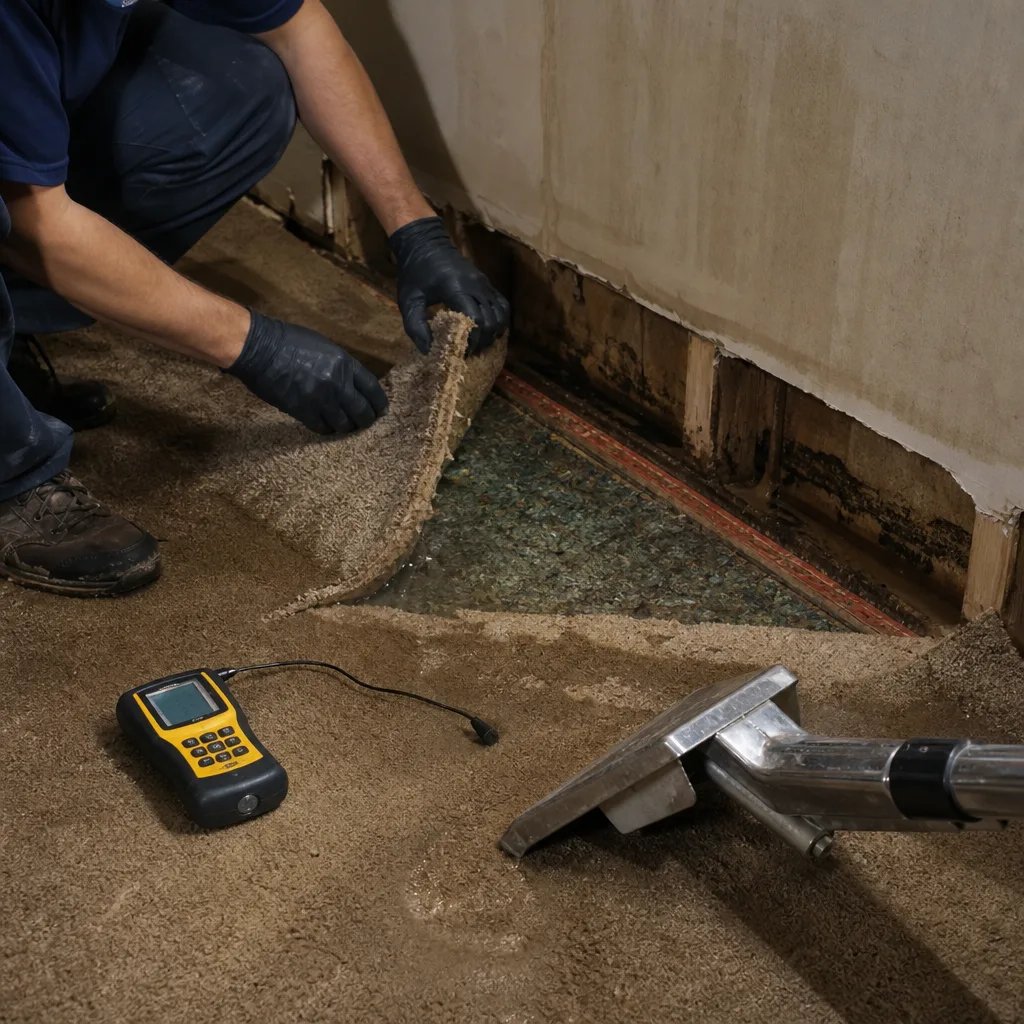
Restoration contracts presented during emergencies share a common structure: the first page describes services, the middle pages outline “standard procedures,” and the damaging language hides in paragraph seven or beyond, often under headings like “Insurance Cooperation” or “Authorization to Proceed.” We’ve reviewed competitor contracts brought to us for DryMark Restoration Las Vegas home second opinions, and the same five clauses appear repeatedly.
Clause 1: Assignment of Benefits (AOB)
This clause transfers your insurance policy rights to the contractor, who then bills your insurer directly and controls all negotiations. In Nevada, AOB agreements are legal and binding once signed. The contractor can inflate line items, add unnecessary work, and you lose standing to dispute anything. We’ve seen Las Vegas homeowners discover $14,000 in “supplemental” charges six months after the initial drying was complete, with no recourse because they’d signed away their policy rights at the door.
What to look for: any language stating “insured hereby assigns all rights and benefits under applicable insurance policies,” or “contractor is authorized to negotiate and settle all claims.” Cross through it. Initial the cross-out. If the contractor objects, that’s your answer.
Clause 2: Open-Ended Authorization to “Perform All Necessary Work”
This phrase gives unlimited scope expansion authority. “Necessary” is undefined, unbounded, and typically interpreted by the contractor’s project manager, not by any documented standard. Haven Standard, Clause 1 exists specifically to prevent this: a written price before work begins, with no scope-creep additions once the crew is inside.
Clause 3: No Written Price Before Demolition
Any contract allowing demolition or emergency mitigation to proceed without a written, itemized price is structured to generate surprise billing. In Nevada, emergency services can be billed at premium rates, and without pre-agreement, “emergency” gets defined retroactively. Demand the written price. Refuse to sign until you hold it.
Clause 4: No Specified Drying Standard
IICRC S500 is the recognized standard for water damage restoration. A contract that doesn’t reference S500, or that substitutes “industry standard” or “professional judgment,” allows arbitrary termination of drying with no measurable endpoint. Your documentation should specify: drying goals defined by moisture content readings compared to dry standard measurements, psychrometric data logged daily, and clearance criteria stated in advance.
Clause 5: Automatic Lien Rights Triggered Within 72 Hours
Nevada allows contractors to file mechanic’s liens, and some restoration contracts accelerate this timeline dramatically - “contractor may file notice of lien if payment is not received within 72 hours of invoice.” Combined with AOB language, this means your contractor can bill your insurer, wait for denial or delay, then lien your property while you’re still disputing coverage. Read the lien section carefully. Normal commercial terms are 30 days minimum; anything shorter is predatory.
Step 3: Demand a Written Scope with Xactimate Line Items
Xactimate is the pricing database used by virtually every insurance adjuster in the United States, including all major carriers writing policies in Clark County. When a restoration contractor provides a scope written in Xactimate line items, they’re speaking the same language as your adjuster. When they refuse, they’re choosing opacity over accountability.
A legitimate written scope for water damage restoration in Las Vegas should include:
- Room-by-room square footage measurements, not estimates
- Material classifications by trade name (e.g., “OSB subfloor, 3/4-inch” not “subfloor”)
- Equipment specifications: dehumidifier capacity in pints per day, air mover CFM, negative air machine ACH
- Daily or every-other-day moisture reading schedule with specified meter types (pin, pinless, thermo-hygrometer)
- Demolition boundaries: exactly what gets removed, to what depth, with disposal method
- Antimicrobial application: product name, EPA registration number, application rate per square foot
- Reconstruction scope separate from mitigation, with its own pricing and timeline
The critical distinction: Water Damage Restoration in Las Vegas splits into mitigation (stopping damage, drying structure) and reconstruction (returning to pre-loss condition). These are separate trades, separate skill sets, and should be separately priced. A contractor who bundles them into one “turnkey” proposal without line-item separation is obscuring where your money goes.
In Las Vegas specifically, watch for scope gaps around our common building types. Mid-century ranch homes in Paradise and Winchester often contain original plaster and lath behind drywall additions - a scope that only prices drywall removal misses the moisture trapped in the plaster cavity. High-rise units along Maryland Parkway have concrete construction with epoxy-coated floors where vapor pressure builds behind the coating; standard Xactimate line items may not capture the specialized drying required. A contractor who knows Las Vegas construction will ask about these conditions before writing the scope, not discover them as “change orders” after work starts.
Our Free Second Opinion on Any Written Estimate exists because we’ve seen too many Las Vegas homeowners accept scopes with $8,000 in “contents manipulation” charges for moving three pieces of furniture, or “decontamination” line items with no specified contaminant. Bring any competitor’s quote and we’ll review it at no charge. The exercise takes twenty minutes and has saved local homeowners an average of $3,400 in disputed charges.
Step 4: Ask About Documentation Cadence and Final Deliverables
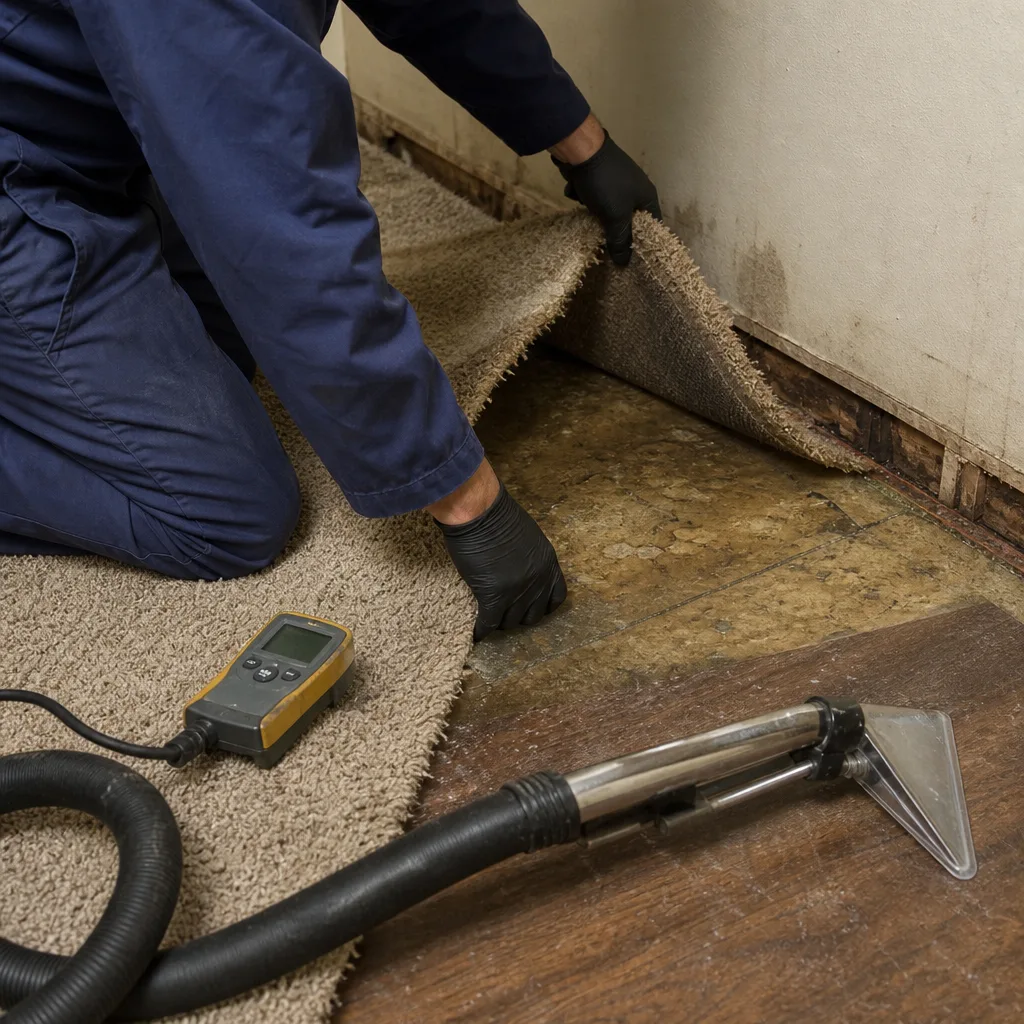
The restoration industry runs on documentation because insurance claims run on documentation. A contractor’s daily process for recording, transmitting, and delivering that documentation reveals whether they’re building a payable claim or hoping for a quick settlement. These are the specific questions to ask, with the answers that indicate legitimate operation:
How often are moisture readings taken?
During active drying: daily for the first 72 hours, then every 48 hours until dry standard is achieved. In Las Vegas’s low-humidity environment, some contractors stretch this to “every few days” - insufficient for detecting equipment failure or hidden moisture pockets. The readings should include: affected material moisture content percentage, dry standard reference measurement from an unaffected area of the same material, relative humidity and temperature of the ambient air, and dew point calculation.
Who receives the daily logs?
You should receive them, your insurance adjuster should receive them, and they should be available to any independent adjuster you hire. A contractor who “handles everything with the insurance company” and doesn’t copy you is controlling information flow to their advantage, not yours.
What documentation do I receive regardless of insurance involvement?
The complete package: initial moisture map with photo documentation, daily drying logs with psychrometric data, equipment placement diagrams, final moisture readings demonstrating dry standard achievement, and a written clearance report. This documentation belongs to you. A contractor who treats it as proprietary or only releases it “upon payment in full” is holding your property’s history hostage.
Our standard deliverable on every DryMark Restoration Las Vegas home job includes a photo record on every visit, documented to IICRC, RIA, and IFA standards. These aren’t marketing claims - they’re the documentation that turns restoration invoices into claims insurers pay without extended dispute. When we deploy Phoenix and XPOWER dehumidification systems alongside Injectidry cavity drying equipment, the daily logs show exactly what vapor pressure differential was achieved and maintained. Adjusters recognize this format; it matches what they need to approve payment.
Step 5: Determine Who the Contractor Actually Works For
This distinction sounds abstract until you’re disputing a $22,000 invoice and your contractor won’t return calls because they’ve already been paid by your insurance company through an AOB arrangement. The contract language reveals the actual relationship.
Contractor works “with” your insurance: They document to carrier standards, provide copies to your adjuster, and accept payment from you or your carrier according to your policy terms. The contract names you as the contracting party. Payment flows through you, or with your explicit direction. This is the standard we operate under at DryMark Restoration Las Vegas.
Contractor works for your insurance (or themselves): The contract contains AOB language, “direct billing” authorization, or “insurance assignment” provisions. Payment flows directly from carrier to contractor without your review. You become a bystander to your own claim. We’ve seen this structure in contracts from national franchises operating in Las Vegas, where the local office’s profit depends on volume throughput and rapid carrier payment, not on your satisfaction with the outcome.
The test: ask who signs the certificate of completion. If it’s your insurance adjuster, not you, the contractor has structured the relationship to serve the payer, not the property owner. In Nevada, you have the right to choose your contractor and control your claim. Any contract that diminishes that right should be refused.
Las Vegas’s insurance market has specific characteristics that affect this dynamic. Clark County has one of the highest rates of absentee property ownership in the nation - investors from California, Canada, and overseas own thousands of rental units. Restoration contractors know these owners are less likely to scrutinize invoices personally, and some structure their contracts to exploit this distance. If you’re managing a property remotely, the documentation requirements are even more critical; you need daily photo records and written scopes because you can’t walk the job yourself.
Step 6: Verify Equipment and Drying Standards
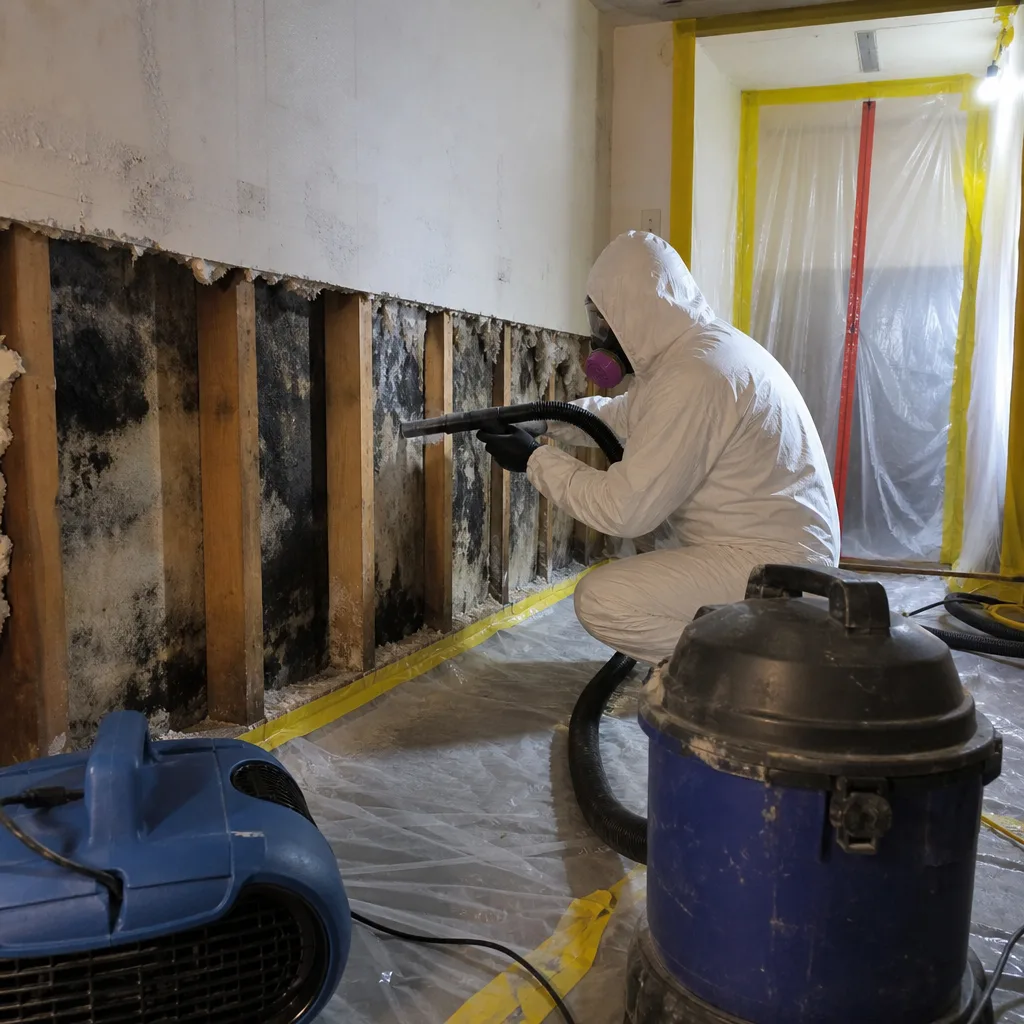
Equipment verification separates restoration from water removal. Any service can extract standing water with a wet/dry vacuum. Structural drying requires calculated dehumidification, controlled airflow, and measurable progress toward defined endpoints.
Ask specifically:
- What dehumidifier manufacturer and model will be deployed? (Legitimate answers: Dri-Eaz, Phoenix, or equivalent LGR units with specified pint-per-day capacity)
- How many air movers per square foot? (IICRC S500 recommends one per 10-12 linear feet of wall in affected areas; “we’ll see what it needs” is not an answer)
- Is cavity drying equipment available? (Injectidry or equivalent for wall and ceiling voids - critical in Las Vegas homes with stucco exterior and drywall interior where moisture traps in the gap)
- What’s the target vapor pressure differential? (Should be specified in inches of mercury or Pascal measurement, not “until it feels dry”)
- How is equipment performance verified? (Hygrometer readings logged, not visual inspection)
Las Vegas’s climate creates specific equipment demands. Our summer temperatures exceed 110°F regularly, and standard refrigerant dehumidifiers lose efficiency above 90°F. Contractors working July through September should have low-grain refrigerant (LGR) or desiccant dehumidifiers capable of operating in high-ambient conditions. A contractor who shows up with equipment rated for 80°F operation is unprepared for local conditions, and their drying timeline will extend indefinitely while secondary damage progresses.
Similarly, our winter temperature swings - overnight lows in the 30s, daytime highs in the 60s - create condensation risks in unheated spaces. Proper equipment selection accounts for these swings with thermostatically controlled heating supplementation, not just “more fans.”
The Fire & Smoke Damage Restoration in Las Vegas page details related equipment requirements for thermal fogging and hydroxyl generation, but the documentation principle is identical: specific equipment, specific standards, specific deliverables.
Common Mistakes to Avoid
- Signing while standing in water. Emergency pressure is real, but a legitimate contractor will stabilize the situation (extract standing water, set containment) and return with a written scope for signature. Anyone demanding immediate signature for “emergency rates” is creating the emergency they’re exploiting.
- Verifying only the B-2 license, not the C-3c endorsement. General building contractors can legally perform many tasks, but structural drying requires specific licensure in Nevada. The B-2 alone is insufficient.
- Accepting “insurance standard pricing” without seeing Xactimate line items. This phrase sounds authoritative but means nothing verifiable. Standard pricing is line-item pricing, visible and comparable.
- Failing to separate mitigation from reconstruction bids. In Las Vegas’s active construction market, reconstruction margins vary enormously. Bundling obscures where the money goes and prevents competitive comparison.
- Not requesting the final clearance report in advance. Some contractors treat clearance as optional if the homeowner “seems satisfied.” Your documentation package should be specified contractually, not assumed.
- Ignoring neighborhood-specific construction risks. Homes in the Historic Westside, original Paradise tract homes, and 1990s Summerlin builds have different moisture behavior. A contractor who applies the same protocol regardless of construction era hasn’t looked at your specific building.
- Assuming “works with all insurance companies” means works for you. This phrase often signals direct billing arrangements that reduce your control. Ask who the contracting party is, who signs completion, and who receives payment.
When to Call a Professional
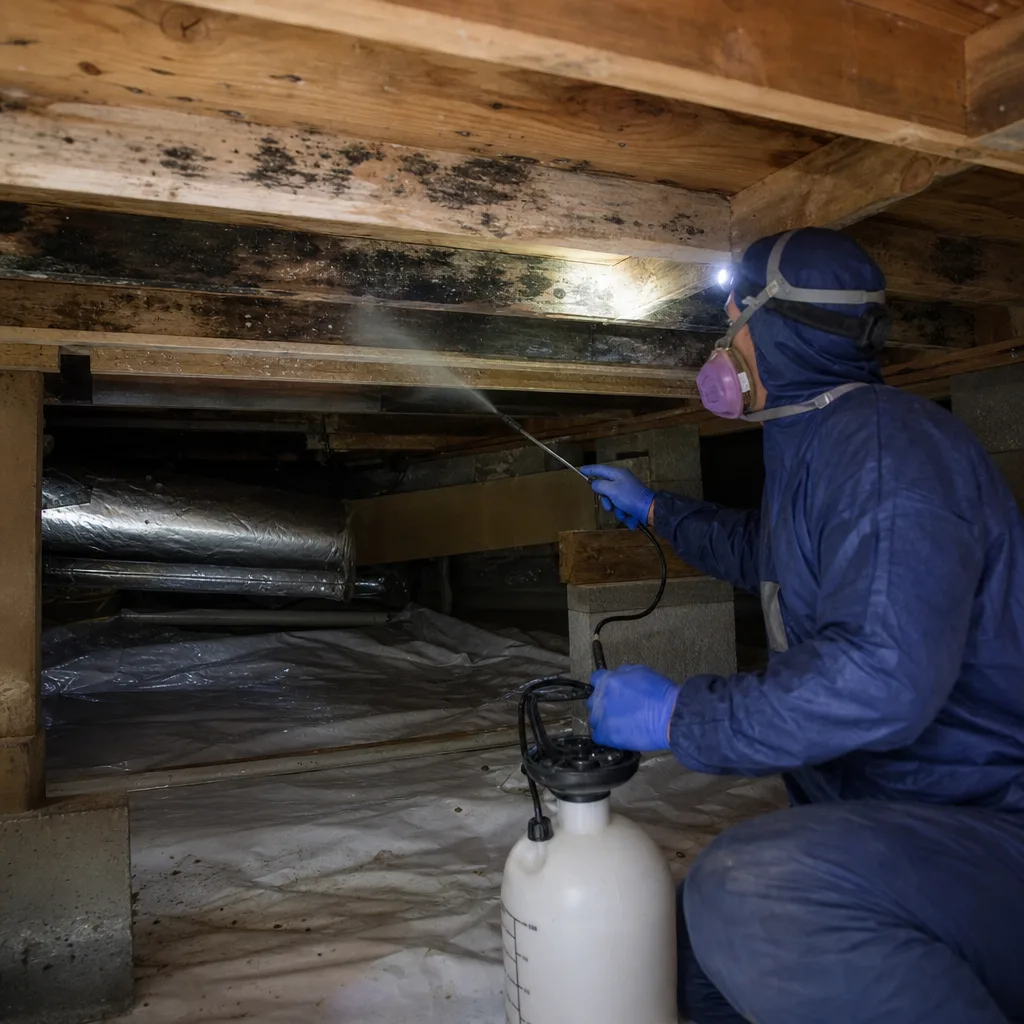
Some damage scenarios permit brief assessment before calling; others escalate rapidly and require immediate professional response. Call a licensed restoration contractor immediately if: water has contacted electrical panels or outlets, sewage or gray water is involved, mold growth is visible and exceeds 10 square feet, fire damage has compromised structural elements, or any water damage occurs in a property you’re managing remotely and cannot inspect personally.
For Mold Remediation in Las Vegas, our arid climate creates a specific risk pattern: homeowners delay response assuming “it’ll dry out,” then discover mold in wall cavities months later when seasonal humidity shifts or irrigation systems create microclimates against exterior walls. Early professional assessment with moisture mapping prevents this progression.
DryMark Restoration Las Vegas offers free estimates in Las Vegas - call (702) 483-7932. Our live person answers every call, 24 hours a day, 7 days a week, with no voicemail on emergency lines. Every job is quoted in writing before work begins, documented with a photo record on every visit, and covered by the 365-Day Done Right Promise under The Haven Standard.
Frequently Asked Questions
Water damage mitigation in Las Vegas typically ranges from $1,200 for contained Class 1 damage in a single room to $8,500+ for Class 3 or 4 losses affecting multiple floors with contaminated water. Reconstruction is priced separately based on material replacement scope. Call (702) 483-7932 for an exact quote - estimates are free and include Xactimate line items before any work begins.
Coverage depends on your policy’s specific provisions for water damage (sudden and accidental versus gradual), your deductible amount, and whether the damage resulted from a covered peril. A contractor who works for you, not your insurance, documents to prove coverage rather than assuming it. We provide photo-documented assessments that help your adjuster confirm covered loss - and we offer direct adjuster coordination as a standard service, not an upsell.
For active water damage, legitimate contractors in the Las Vegas metro area typically arrive within 60-90 minutes for emergency calls. Response time varies by location - Summerlin and Henderson have more contractor density than outlying areas - but any contractor promising “30 minutes or less” is likely estimating optimistically or dispatching unprepared personnel. Ask specifically: who arrives (technician level, not “a crew”), what equipment comes with them, and what they can accomplish on the first visit before the full scope is written.
For water affecting less than 10 square feet of non-porous materials with clean water source and no structural involvement, self-drying with proper air circulation may suffice. For everything else - porous materials (drywall, carpet, insulation), Category 2 or 3 water, any electrical proximity, or hidden cavities - professional assessment is warranted. Las Vegas’s hard water and high mineral content also leave residue that affects material integrity even after surface drying appears complete. The cost of professional moisture mapping is minimal compared to undetected structural damage.
Restoration contractors specialize in emergency mitigation - water extraction, drying, contamination control - with documentation systems designed for insurance compliance. General contractors specialize in planned reconstruction with permit-pulling and long-form project management. Some companies do both, but the skill sets differ. In our experience, the best outcomes come from clear handoff: mitigation documented to IICRC standards, then reconstruction scoped and priced separately with its own timeline. Bundling these under one “turnkey” proposal often compresses the mitigation phase to accelerate reconstruction billing.
Compare their invoice line items against the written scope you signed before work began - any deviation is a red flag. Check that equipment charges match actual days on site (we’ve seen invoices for 14 days of dehumidifier rental on a 7-day dry). Verify that “emergency” rates were disclosed in writing before work started, not applied retroactively. And request your own copy of all documentation sent to insurance; if the contractor resists, they’re controlling information to their advantage. Our Free Second Opinion on Any Written Estimate exists specifically for this concern - bring any competitor’s invoice and we’ll review it at no charge.
The Bottom Line
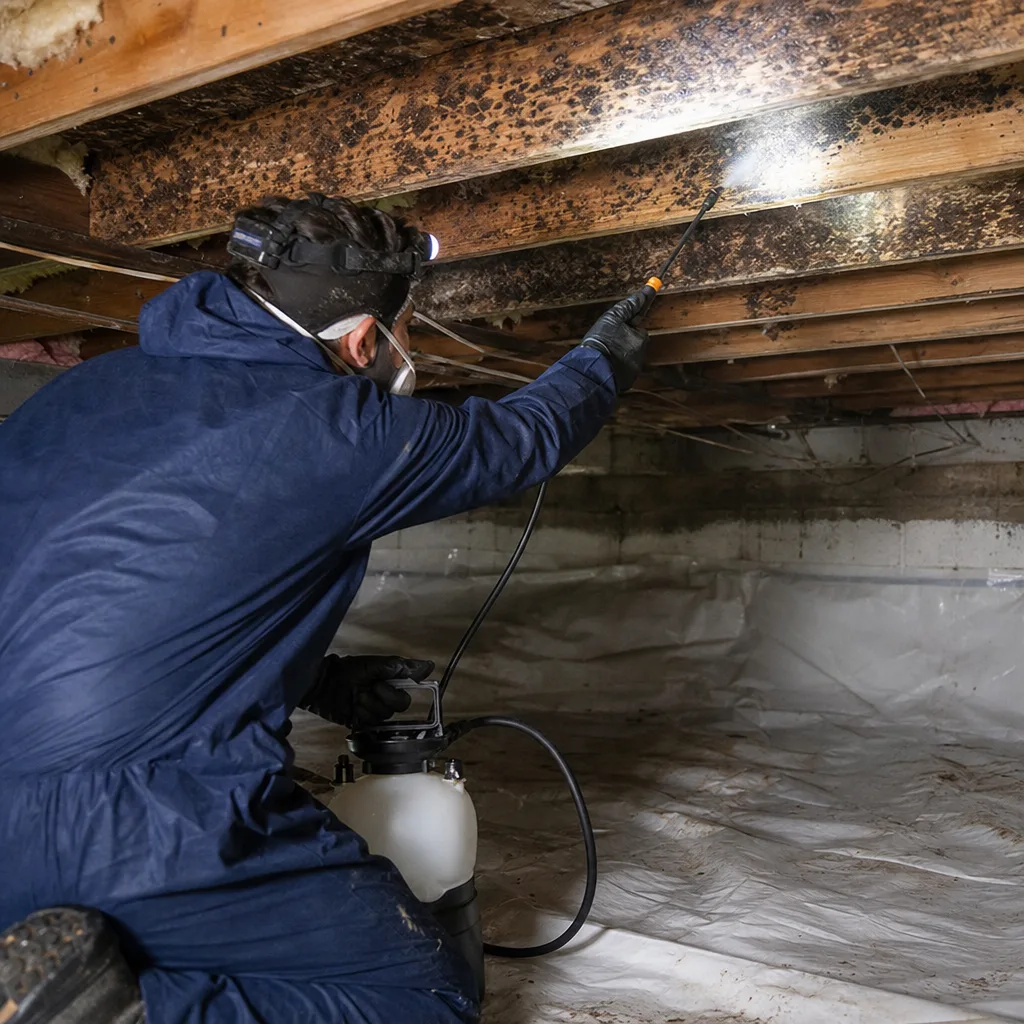
Hiring a damage restoration contractor in Las Vegas comes down to documentation discipline: verified license, written scope, specified standards, and controlled information flow. The contractors who resist these requirements are telling you exactly how they intend to operate - quickly, opaquely, and with your insurance claim as their primary revenue target, not your property’s restoration. The contractors who provide them willingly, as we do on every job under The Haven Standard, are building a record that protects your interests and gets your claim paid. Read the contract. Verify the license. Demand the written price. For ongoing protection, bookmark our more guides & resources. These three actions separate legitimate restoration from predatory practice, and they’re entirely within your control.
Written by Alicia Brennan, Owner at DryMark Restoration Las Vegas, serving Las Vegas since 2011.