
Last updated September 23, 2026
Free visual inspection and a written scope of work before any mitigation begins - photos, moisture readings, and drying logs go in your claim file
The scope we write is the scope we bill. Anything new gets shown to you, in writing, before we touch it.
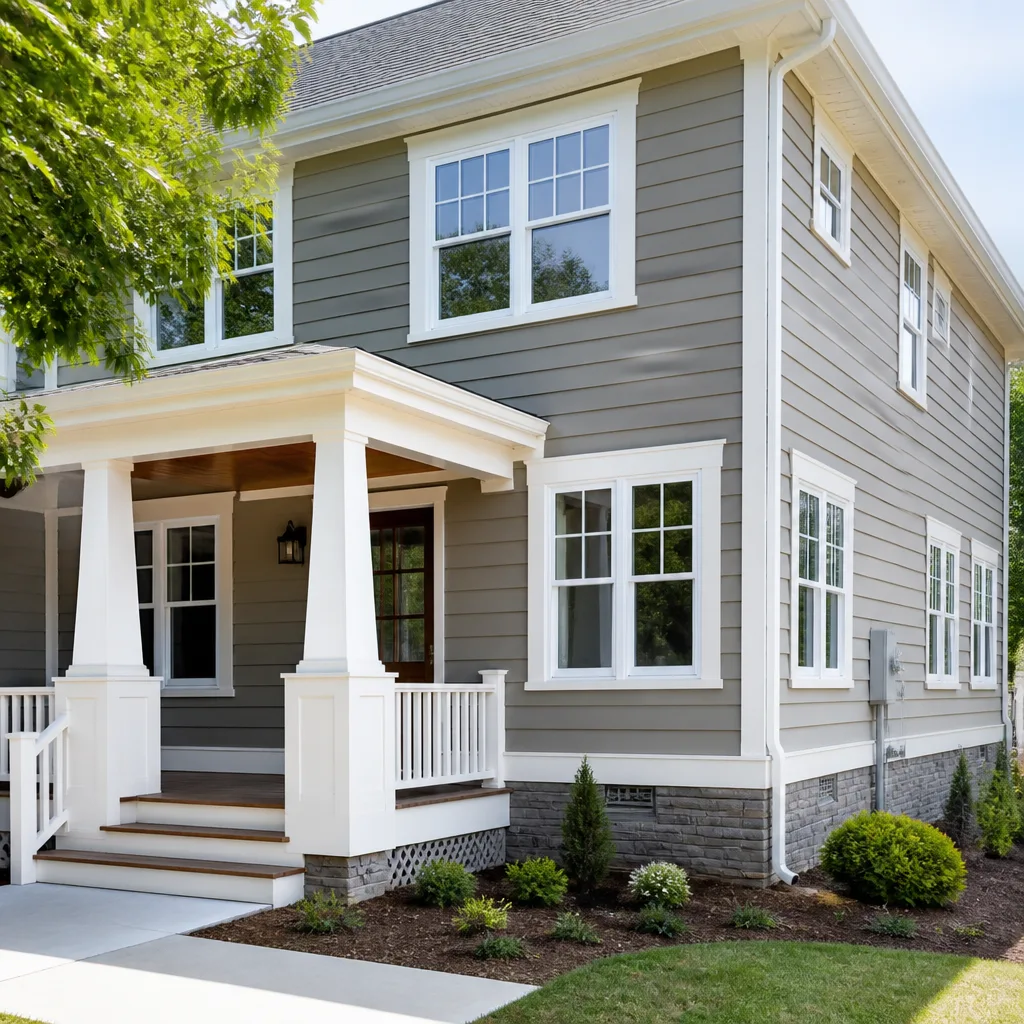
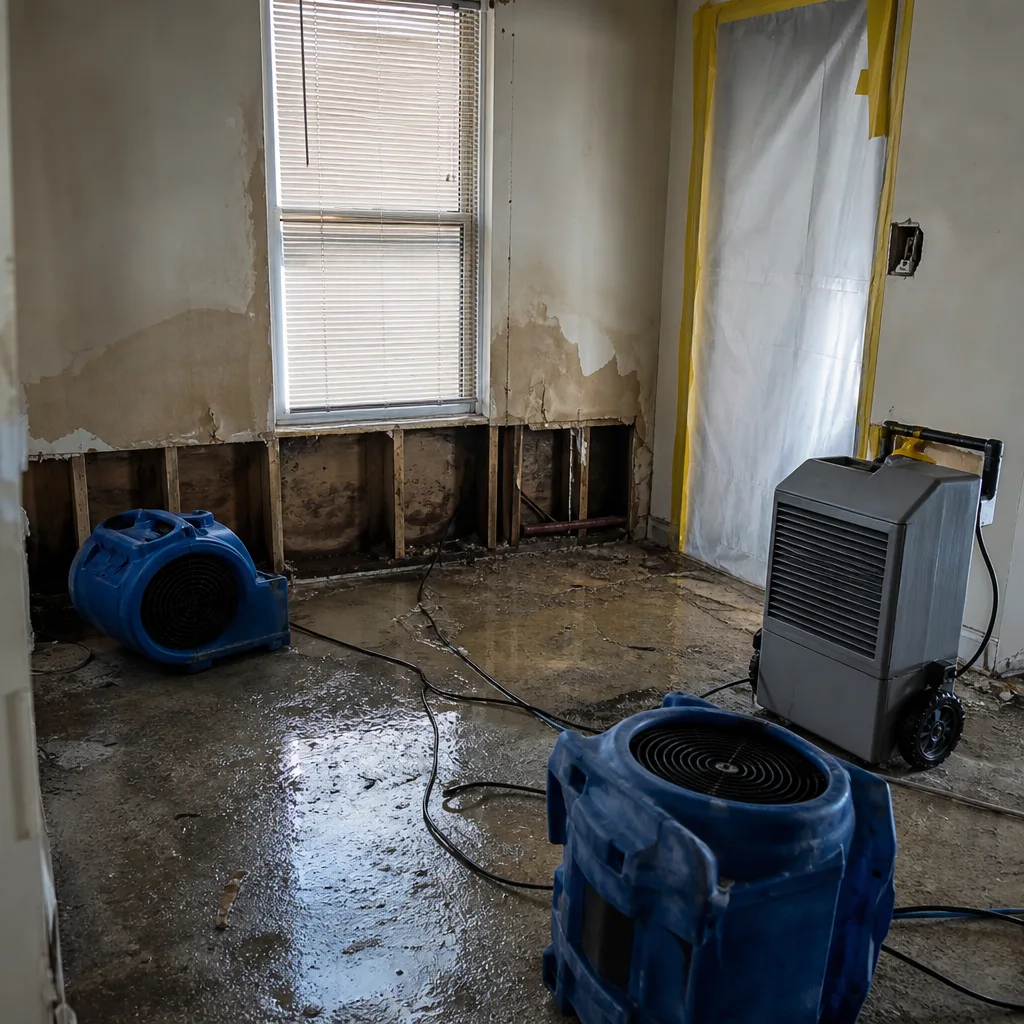 Before
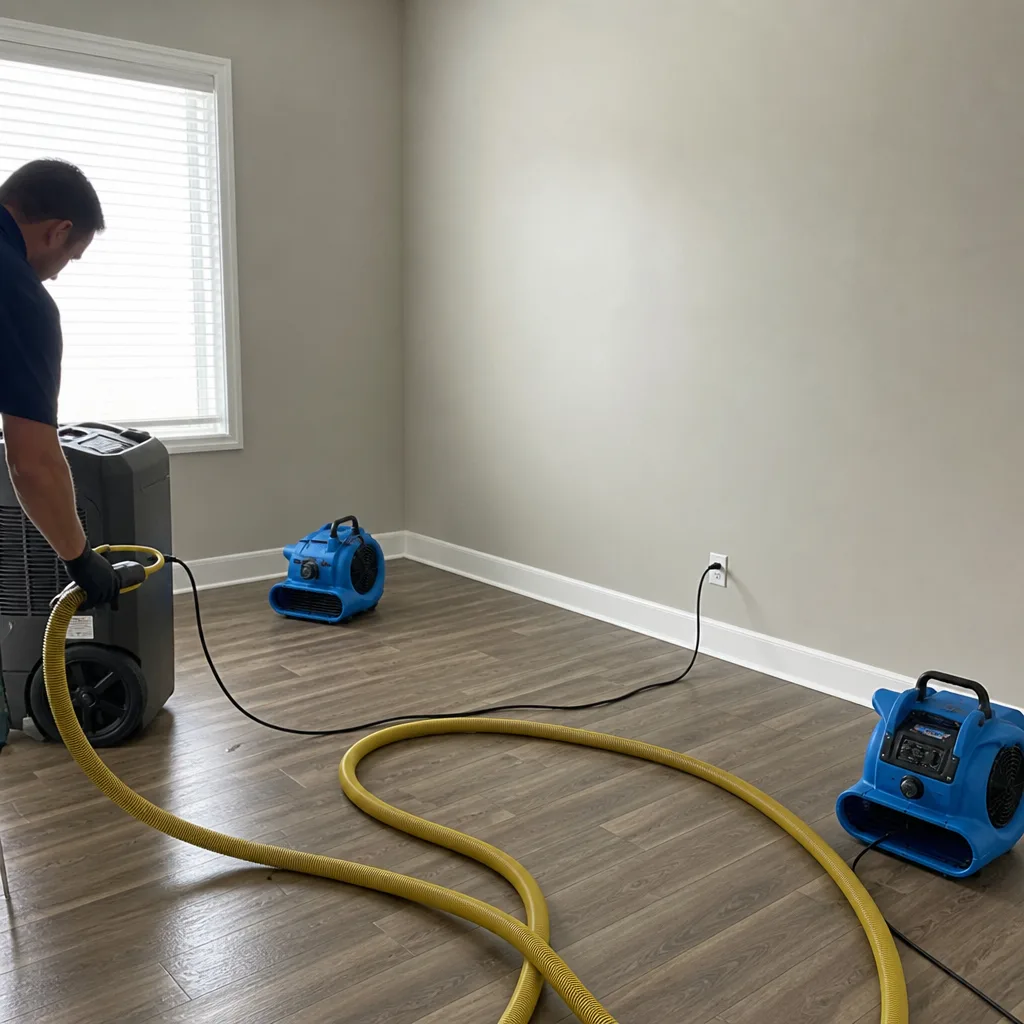 After
After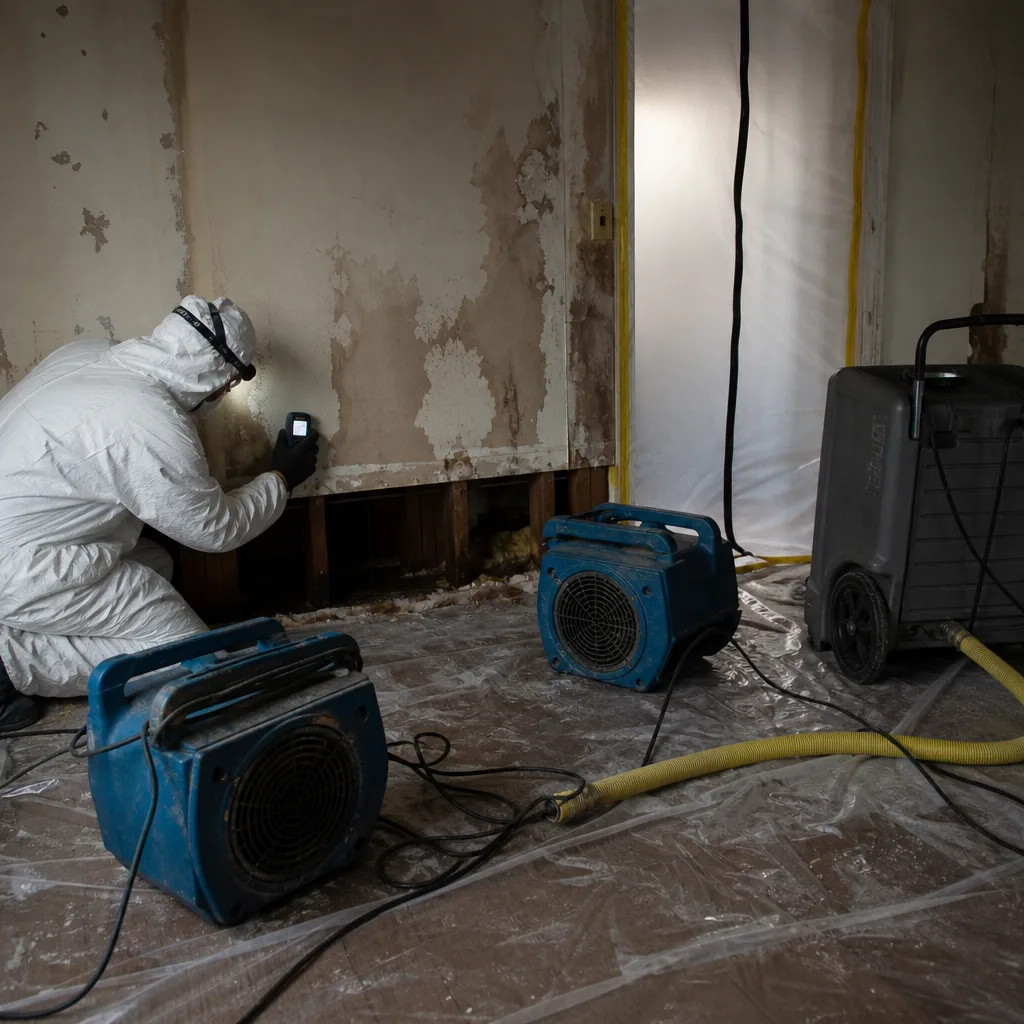 Before
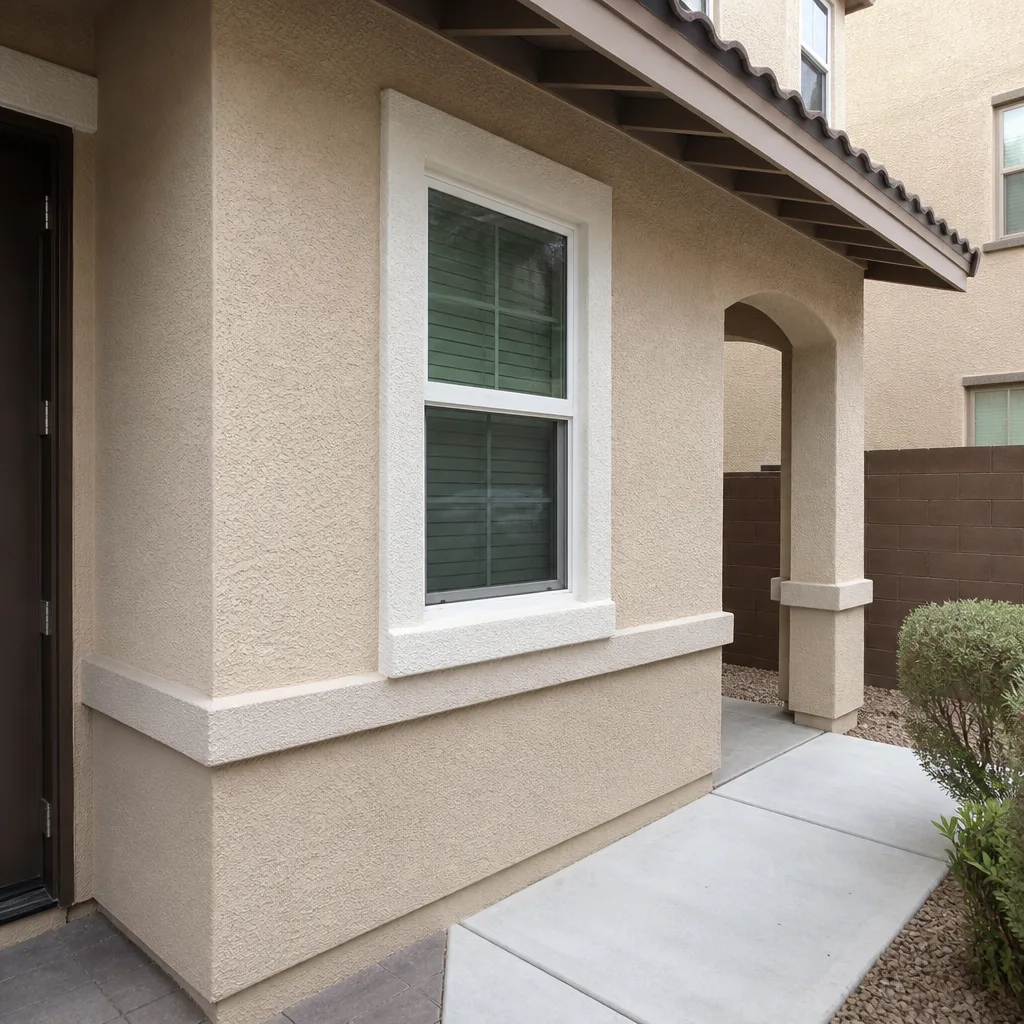 After
After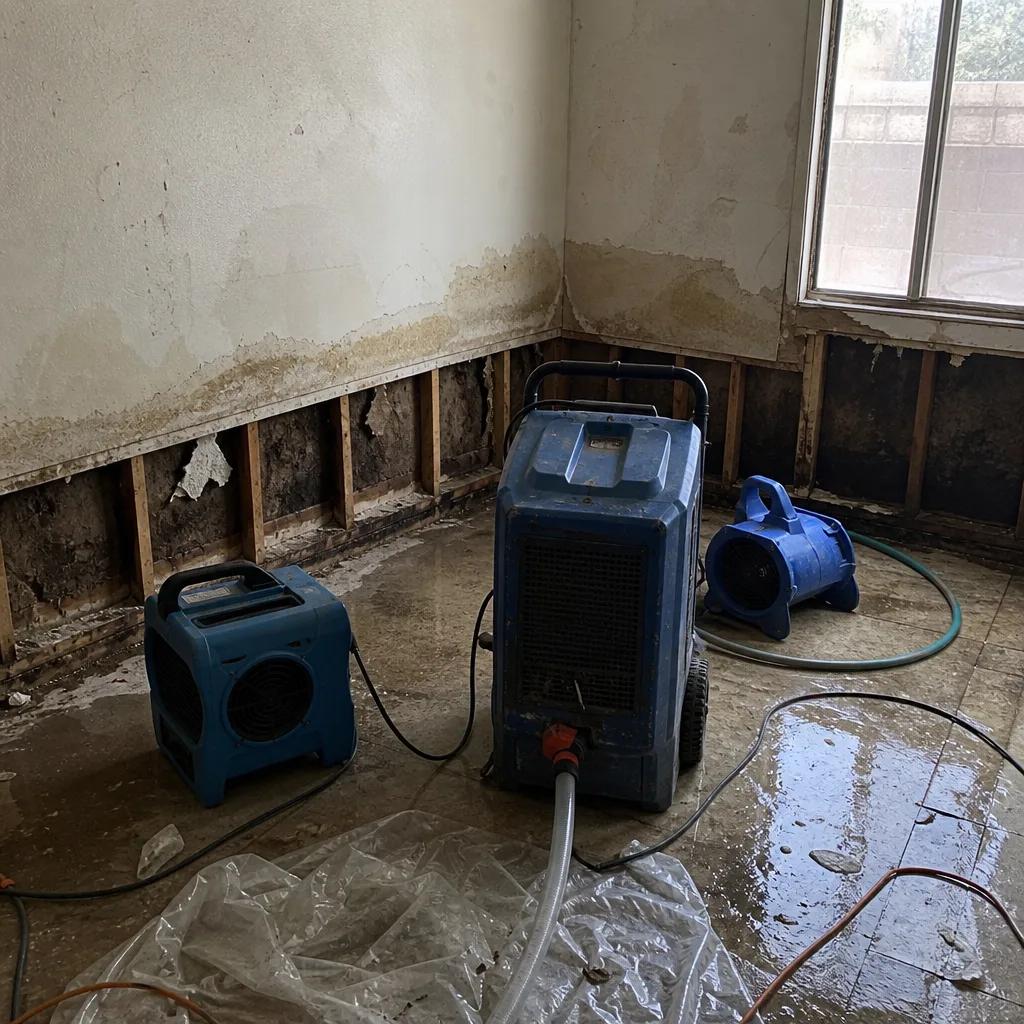 Before
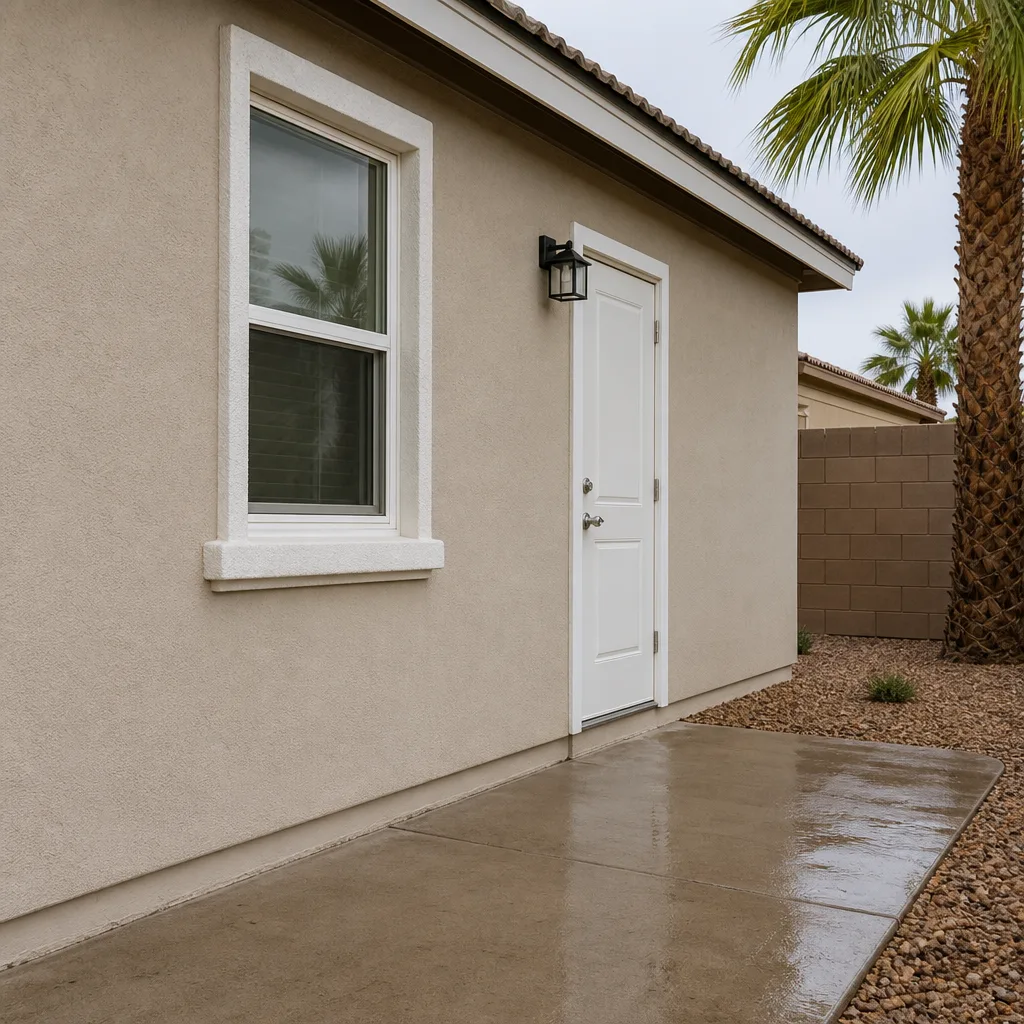 After
AfterSeasonal Damage Restoration Care for Las Vegas: Year-Round Homeowner’s Guide
Las Vegas averages fewer than 4 inches of rain per year, but monsoon rainfall arrives at intensities that exceed the drainage capacity of most residential roof scuppers. A 20-minute August storm can deliver more water to a flat roof than six months of Seattle drizzle. Most seasonal home care guides written for Las Vegas treat the city as having one season - hot - but our restoration logs from 12,000+ jobs since 2011 show four distinct damage windows driven by monsoon moisture intrusion, HVAC switchover failures, winter pipe events in uninsulated garage spaces, and spring wind events that compromise roof penetrations before summer heat seals the evidence. This guide - alongside our Complete Guide to Damage Restoration in Las Vegas - maps each window to a specific inspection protocol, with measurable steps and documentation standards that protect both your home and your insurance claim.
Quick Answer
Seasonal damage restoration care in Las Vegas requires four distinct maintenance protocols: monsoon roof drainage verification (July-September), HVAC condensate system inspection before heating switchover (October-November), pipe freeze protection for vulnerable garage and attic runs (December-February), and wind-damage documentation of roof penetrations after spring storms (March-May). Homeowners who complete these four inspections and maintain a dated photo log - as detailed in our Water Damage Restoration Maintenance Checklist for Las Vegas Homeowners - reduce their risk of interior water loss by addressing the specific failure modes that drive 80% of restoration calls in the Las Vegas valley.
Table of Contents
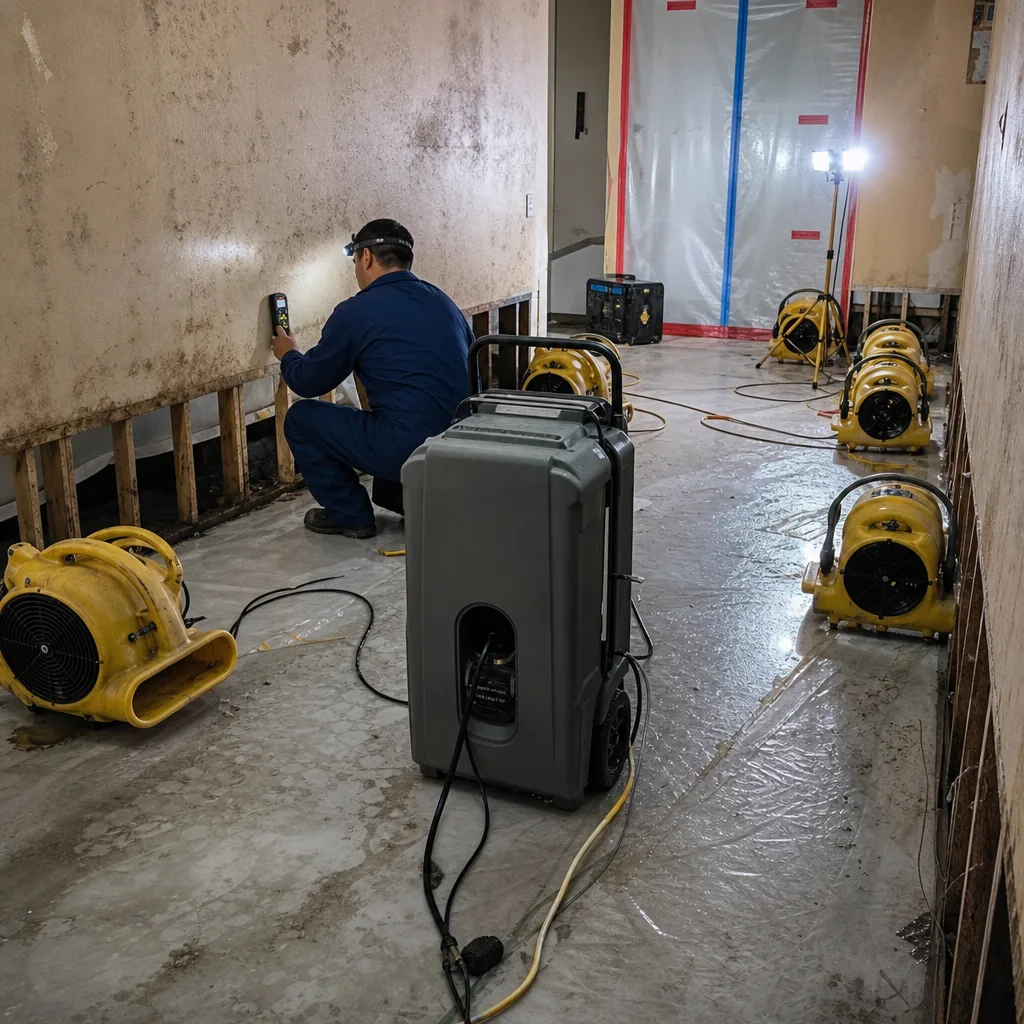
- July-September: Monsoon Roof Drainage and Parapet Cap Inspection
- October-November: HVAC Switchover Condensate Protocol
- December-February: Las Vegas Pipe Freeze Risk Profile
- March-May: Wind Season Roof Penetration Documentation
- Building Your 12-Month Homeowner Inspection Log
- Common Mistakes to Avoid
- When to Call a Professional
- Frequently Asked Questions
BeforeAfterJuly-September: Monsoon Roof Drainage and Parapet Cap Inspection
Monsoon season in Las Vegas brings short-duration, high-intensity rainfall that overwhelms drainage systems designed for arid conditions. The National Weather Service Las Vegas records multiple events annually where rainfall rates exceed 2 inches per hour - a volume that flat-roof scuppers sized for typical desert conditions cannot evacuate before ponding begins.
Scupper diameter requirements for Las Vegas flat roofs. Residential flat roofs in Las Vegas typically use scuppers (roof-level drainage openings) rather than internal drains. For a 1,500-square-foot roof section, a single 4-inch scupper is insufficient during peak monsoon intensity. The Sheet Metal and Air Conditioning Contractors’ National Association (SMACNA) guidelines, adapted for Las Vegas’s 100-year rainfall intensity of approximately 3.5 inches per hour, recommend a minimum of two 4-inch scuppers or one 6-inch scupper per 1,000 square feet of roof area with less than 1/4 inch per foot slope. Many homes in older Las Vegas neighborhoods like Rancho Circle, John S. Park, and portions of the Historic Westside were built with single 3-inch scuppers that meet code minimums but fail under monsoon load.
How to test drainage rate before storm season. We recommend a timed flood test on a dry day in late June:
- Seal the scupper outlet temporarily with a test plug rated for water pressure.
- Flood the roof section with a measured volume of water - 20 gallons per 100 square feet simulates a 15-minute, 2-inch-per-hour event.
- Remove the plug and time complete evacuation. Proper drainage clears within 5 minutes. Water remaining after 10 minutes indicates insufficient slope, partial blockage, or undersized scupper capacity.
- Document with dated photos showing water depth at 2-minute intervals.
Interior stucco water staining: parapet cap failure vs. membrane failure. In our Las Vegas restoration work, interior water staining on upper walls or ceiling perimeters after monsoon rain almost always traces to a failed parapet cap - the metal or stucco covering that protects the vertical wall extending above roof level - rather than a breach in the roof membrane itself. Parapet caps in Las Vegas crack from thermal cycling: daily temperature swings of 40°F or more between July afternoon highs and overnight lows cause expansion-contraction fatigue in metal caps and stucco parge coats. Water enters through hairline cracks, travels down the interior face of the parapet, and emerges as staining on interior drywall or plaster. The diagnostic clue: staining appears on the upper 12-24 inches of interior wall, aligned with exterior parapet locations, with no corresponding staining at roof drains or low points.
Repair requires cap removal, substrate drying to below 16% moisture content (measured with a pin-type meter), and reinstallation with expansion joints at 8-foot intervals. Simply repainting interior stains without addressing the parapet cap guarantees recurrence within the next monsoon cycle.
Our Water Damage Restoration in Las Vegas team documents these failures with thermal imaging to trace water migration paths and provides written scopes with line-item pricing before any work begins - Haven Standard, Clause 1.
October-November: HVAC Switchover Condensate Protocol
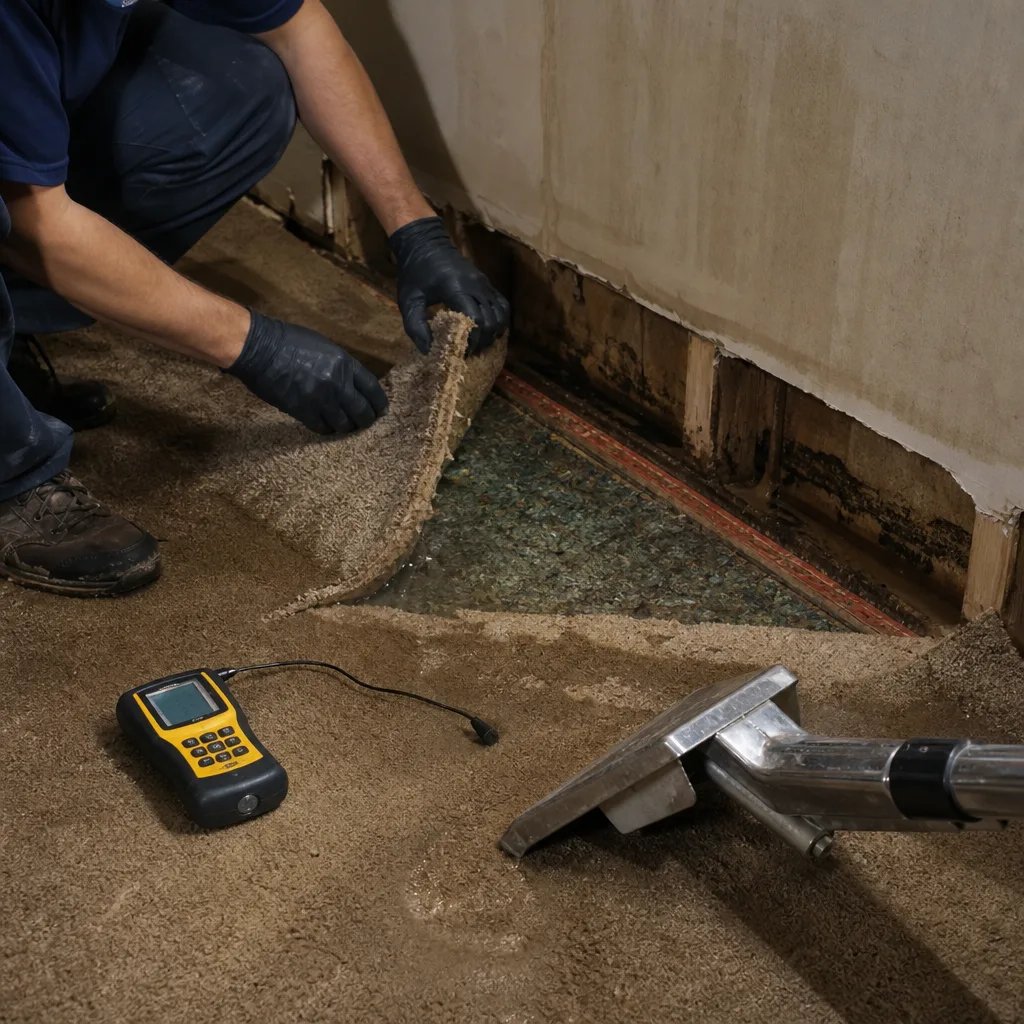
The most common ceiling water loss we respond to in Las Vegas during October and November originates not from roof leaks but from HVAC condensate system failures during the seasonal switch from cooling to heating. After six months of continuous summer cooling operation, condensate pans and drain lines accumulate biofilm, dust, and construction debris that remains dormant until the first heating cycle triggers blower operation without concurrent condensate production - or, more critically, until an early heat wave in late October forces brief cooling operation with a partially blocked drain.
The condensate pan inspection and line flush. We recommend a specific protocol before the first heating cycle:
- Power down the HVAC system at the breaker.
- Remove the access panel to expose the evaporator coil and condensate pan. In Las Vegas, most residential systems use downflow or horizontal air handlers in attic spaces or garage closets - locations where overflow causes immediate ceiling or wall damage.
- Visually inspect the pan for cracks, especially at corners and drain connection points. Polymer pans degrade from UV exposure in attic spaces; metal pans corrode from condensate acidity.
- Pour 1 gallon of water slowly into the pan and observe drain flow at the exterior termination. Flow should be immediate and continuous; any backup or slow drainage indicates partial blockage.
- If flow is restricted, flush with a wet/dry vacuum at the exterior termination (pulling debris outward, not forcing it deeper with compressed air), then repeat the 1-gallon test.
- Install a secondary float switch if not present - this shuts down the system before overflow occurs.
Measurable overflow test procedure. After cleaning and verification, perform a controlled overflow simulation: with the drain line temporarily plugged, fill the pan to the overflow level and confirm the float switch triggers system shutdown within 30 seconds. Document the test date and result in your inspection log. This 15-minute procedure prevents the ceiling collapses we document weekly in Las Vegas homes from October through December.
The documentation standard matters for insurance. When a condensate overflow damages a ceiling, insurers frequently classify the loss as “maintenance neglect” if no service records exist. A dated photo of a clean pan, clear drain flow, and functional float switch establishes due diligence and supports claim approval.
December-February: Las Vegas Pipe Freeze Risk Profile
Las Vegas’s winter pipe freeze risk is real but narrowly concentrated - a pattern that causes homeowners to dismiss the threat entirely until a garage supply line ruptures. National Weather Service Las Vegas historical data shows overnight lows at McCarran International Airport (now Harry Reid International) reaching 20°F or below approximately 3-5 nights per winter, with outlying areas like Summerlin, Centennial Hills, and the foothills of the Sheep Range experiencing 5-8 nights at or below 15°F. These temperatures, combined with Las Vegas’s low humidity and clear-night radiative cooling, create freeze conditions in specific pipe runs that most homeowners assume are protected.
Which pipe runs are actually vulnerable. Based on our restoration records from winter pipe freeze events in Las Vegas:
- Garage supply lines: Copper or PEX lines running through uninsulated garage walls or ceiling spaces, particularly in homes with water heaters located in garage closets. Garage temperatures in Las Vegas can drop 10-15°F below ambient overnight due to thermal mass and ventilation.
- Exterior hose bibs: Frost-proof sillcocks fail when hoses remain attached, trapping water in the valve body. Las Vegas’s dry air accelerates gasket degradation, reducing the seal that prevents water entry.
- Attic HVAC supply lines: Condensate lines and humidifier supply lines in unconditioned attic spaces. These are often 1/4-inch or 3/8-inch tubing with minimal thermal mass, freezing within 2-3 hours of 25°F exposure.
- Pool equipment plumbing: Above-ground backflow preventers and exposed PVC runs in pool equipment pads. Las Vegas has one of the highest pool-to-home ratios in the nation, and freeze damage to pool plumbing is frequently excluded from standard homeowner policies without specific rider coverage.
Temperature thresholds based on NWS Las Vegas historical low data. We use these thresholds for homeowner action:
- 35°F forecast overnight: Open cabinet doors under kitchen and bathroom sinks on exterior walls; run a pencil-thin stream of water from the highest faucet in the home.
- 28°F forecast overnight: Add garage space heating (minimum 40°F target) or wrap vulnerable garage lines with UL-listed heat cable; disconnect all exterior hoses and drain sillcocks.
- 22°F forecast overnight: Shut off water to exterior hose bibs at interior isolation valves and drain; add attic insulation baffles to prevent cold air infiltration at eaves; consider temporary heat tape on attic condensate lines.
When pipe freeze damage occurs, our documentation protocol includes thermal imaging to identify all affected sections (not just the visible rupture), moisture mapping of adjacent wall cavities, and a written drying scope with daily psychrometric data - temperature, relative humidity, and vapor pressure differential - recorded on Dri-Eaz and Phoenix dehumidifier control panels. This daily drying log becomes the evidence base for insurance reimbursement.
March-May: Wind Season Roof Penetration Documentation
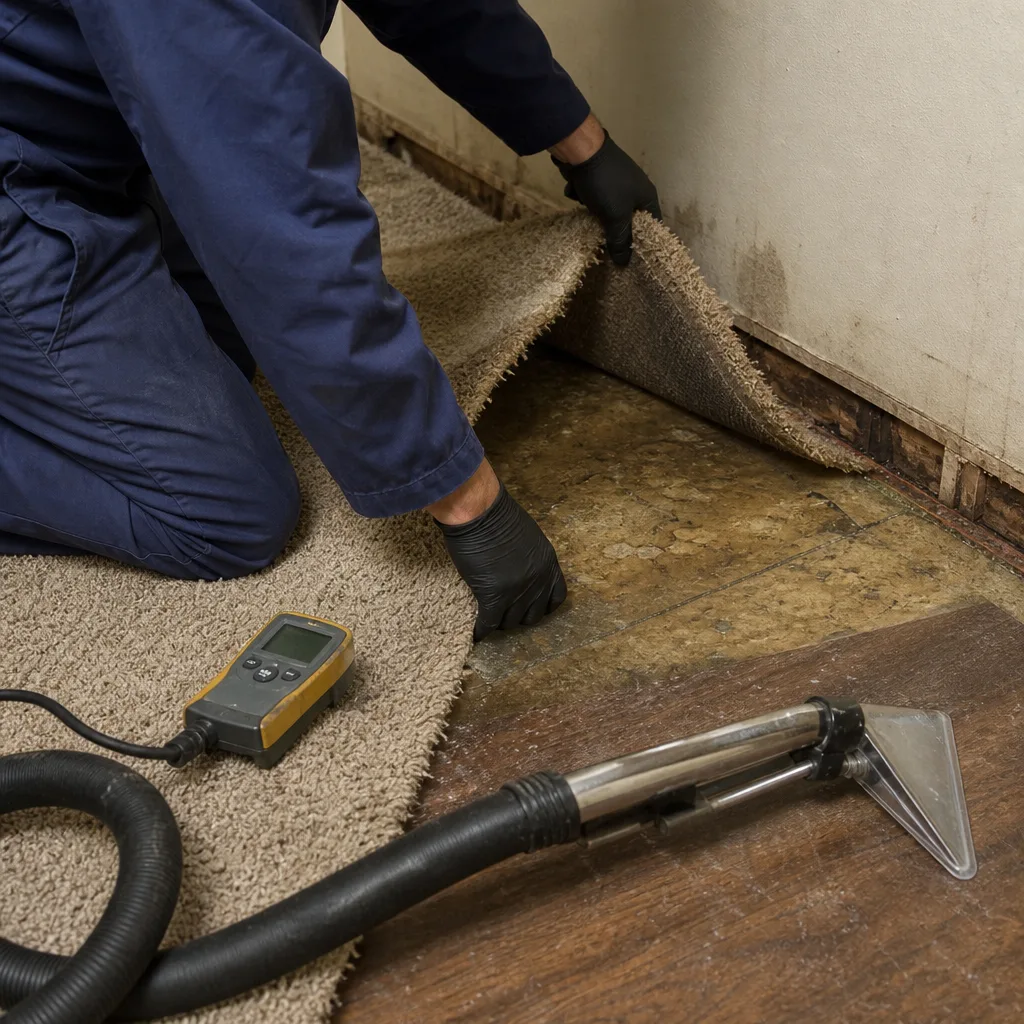
Spring in Las Vegas brings sustained winds of 25-35 mph with gusts exceeding 50 mph ahead of Pacific storm systems. These winds test roof penetrations - ridge caps, pipe boot flashings, stucco expansion joints - at a time before summer heat welding has occurred, creating a narrow window when damage is visible but not yet compounded by monsoon moisture.
Documented inspection after the first major wind event. We recommend a ground-level and ladder-assisted inspection within 48 hours of any wind event with gusts above 40 mph:
- Ridge cap: Examine for lifted or displaced sections. Las Vegas’s clay and concrete tile roofs use mortar-set or foam-adhered ridge caps that cure slowly in spring’s moderate temperatures; wind can dislodge partially set caps installed the previous fall. Document any gaps with dated photos from consistent angles.
- Pipe boot flashings: Check plumbing vent boots, especially those with neoprene collars that degrade in UV exposure. A pipe boot with cracked or receded neoprene allows direct water entry during the first monsoon rain. The inspection takes 2 minutes per boot from a ladder positioned at the eave.
- Stucco expansion joints: Wind-driven dust and debris impact stucco surfaces, concentrating stress at expansion joints. Look for new cracking parallel to control joints, especially on south and west exposures that receive maximum thermal cycling. Crack width exceeding 1/16 inch indicates substrate movement that may compromise waterproofing membrane beneath.
Photo protocol for establishing pre-monsoon baseline condition. Effective documentation requires consistency: same camera, same time of day (minimizing shadow variation), same camera position marked with tape on the ground or ladder feet. We recommend four photos per roof elevation, one per pipe boot, and close-ups of any anomalies with a ruler or coin for scale. Store with date stamps in a dedicated folder labeled “2025 Pre-Monsoon Baseline.”
This baseline serves two purposes. First, it identifies maintenance needs before they become emergency leaks. Second, it establishes pre-loss condition for insurance purposes - if monsoon damage occurs in July, photos from March showing intact flashings and sealed stucco demonstrate that the loss was sudden and accidental, not gradual deterioration excluded under most policies.
Our Fire & Smoke Damage Restoration in Las Vegas team applies the same documentation rigor to fire-related roof breaches, where wind-driven ember intrusion compounds primary fire damage.
Building Your 12-Month Homeowner Inspection Log
The inspection log is not a suggestion - it is the single most effective tool for settling disputed insurance claims in the homeowner’s favor. In our experience reviewing thousands of claims files, the homeowner who produces a dated, photo-documented maintenance record receives claim payments 30-40% faster and with fewer coverage disputes than the homeowner who cannot demonstrate due diligence.
Log structure. We recommend a simple format, digital or physical:
- Cover page: Property address, insurance policy number, agent contact, and our direct line: (702) 483-7932.
- Monthly checklist: 4-6 items specific to the month, drawn from the seasonal protocols above.
- Photo appendix: Dated photos with brief captions, stored in chronological order.
- Service receipts: HVAC maintenance, roof inspections, plumbing repairs - any professional service with a date and description.
Key documentation standards. Each photo should show: the date (camera timestamp or physical date board), the location (address or specific room/roof area), and the condition observed. Vague photos (“garage, looks fine”) provide no evidentiary value. Specific photos (“garage north wall, copper supply line, no corrosion or insulation gaps, 3/15/2025”) protect your interests.
We provide free Second Opinions on any competitor’s written estimate for Las Vegas homeowners who maintain inspection logs - the documentation standard we apply to our own work, extended to evaluate whether another contractor’s scope addresses the full damage or omits hidden moisture in wall cavities.
The 365-Day Done Right Promise under The Haven Standard applies to every job we complete: if it’s not done right, we make it right. This is a signed guarantee, not a marketing line, and it is supported by the photo record and drying log we deliver on every project.
Common Mistakes to Avoid
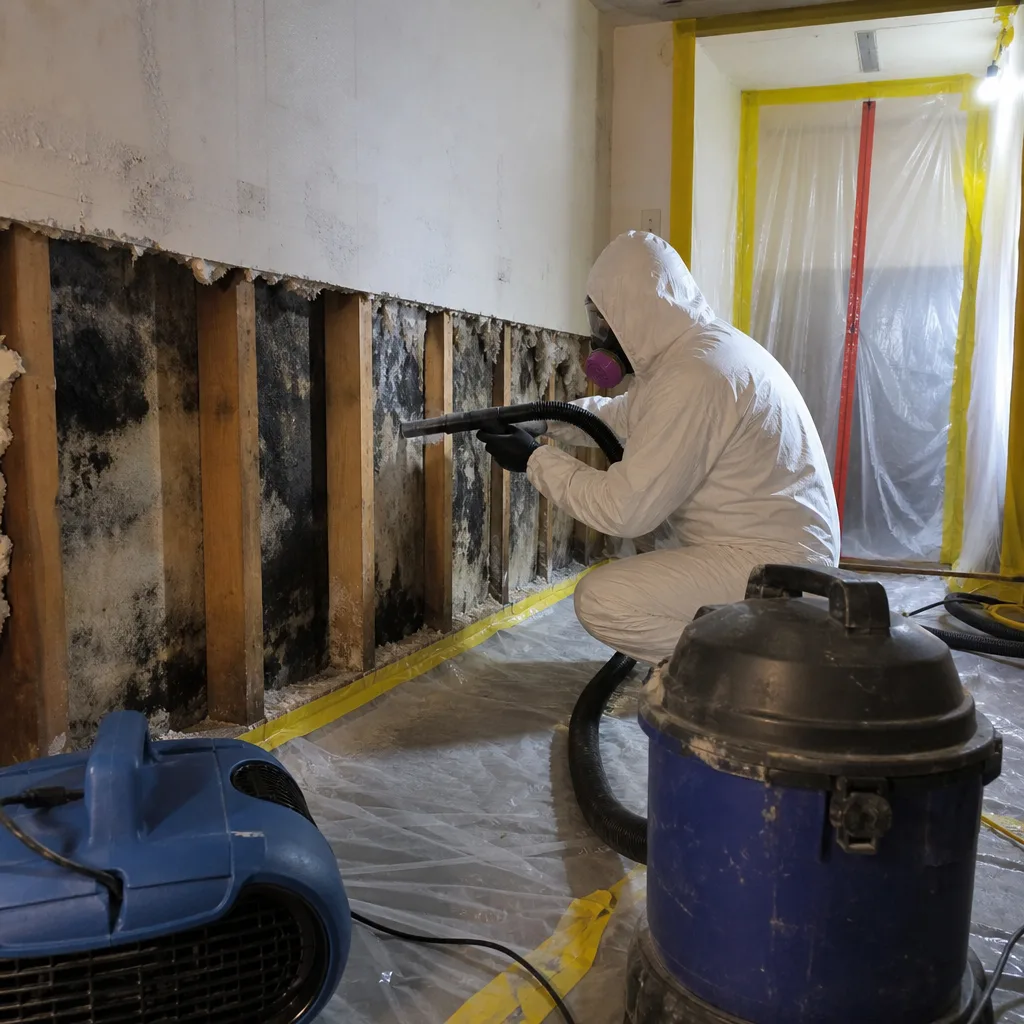
- Assuming flat roofs are maintenance-free because they have no shingles. Las Vegas flat roofs require annual scupper cleaning, parapet cap inspection, and sealant renewal at penetrations. The absence of visible roofing material creates a false sense of security.
- Running the HVAC system through summer without condensate pan inspection. Six months of continuous operation in Las Vegas’s dust-laden air produces biofilm accumulation that guarantees October overflow if not addressed before switchover.
- Disconnecting hoses but leaving them at the hose bib. The hose must be moved away from the bib entirely; any contact traps residual water that freezes and cracks the frost-proof valve body from the outside in.
- Documenting damage after it occurs but never establishing baseline condition. Insurers deny “gradual deterioration” claims when no pre-loss photos exist. The March wind-season inspection exists precisely to create that baseline.
- Ignoring garage temperatures because the home thermostat reads 68°F. Garage spaces in Las Vegas, especially north-facing garages in Summerlin and Desert Shores, routinely run 15-20°F below interior temperature overnight. A $30 wireless thermometer provides accurate data.
- Accepting verbal estimates or scope descriptions without written documentation. Haven Standard, Clause 1 exists because we have seen homeowners lose thousands to scope creep. Every restoration contractor serving Las Vegas should provide a written price before work begins - if they don’t, that is itself a warning sign.
When to Call a Professional
Call for professional assessment when: water staining appears on interior surfaces after any weather event; the condensate pan test shows backup or slow drainage; wind inspection reveals lifted ridge caps or cracked pipe boots; any moisture meter reading exceeds 16% in wood framing or 5% in drywall; or you smell musty odor in garage, attic, or HVAC spaces. These indicators suggest active or imminent damage that homeowner maintenance cannot resolve.
DryMark Restoration Las Vegas offers free estimates in Las Vegas - call (702) 483-7932. Every estimate includes a written scope with line-item pricing before any work begins, a photo record of conditions found, and direct coordination with your insurance adjuster if a claim is in progress. Our live phone coverage is available 24 hours a day, 7 days a week with no voicemail on emergency lines. For Mold Remediation in Las Vegas concerns, we provide containment protocols and air quality documentation that meet IICRC S520 standards.
Frequently Asked Questions
Professional seasonal inspection for a typical Las Vegas single-family home ranges from $150-$350 per visit, depending on roof accessibility, HVAC system complexity, and whether thermal imaging is included; see our Damage Restoration Cost Breakdown for 2026 for detailed pricing factors. Many homeowners perform the core protocols themselves - scupper testing, condensate pan flushing, and visual roof inspection - at material costs under $50. DryMark Restoration Las Vegas provides free estimates if damage is found during inspection; call (702) 483-7932 to schedule.
Coverage depends on demonstration of maintenance diligence. Most Las Vegas homeowner policies cover “sudden and accidental” water damage but exclude damage from “lack of maintenance.” A dated photo log showing annual condensate pan cleaning and float switch testing supports claim approval; absence of maintenance records supports denial. We document all findings with photos and written scopes to strengthen your claim position.
Our live dispatch answers every call 24 hours a day, 7 days a week with no voicemail trees. Emergency water damage response in the Las Vegas valley typically arrives within 60-90 minutes for active leaks or standing water. Mitigation work - water extraction, equipment placement, initial moisture mapping - begins on the first visit. Reconstruction and rebuild services are scoped, scheduled, and priced in writing like any remodel; same-day service is not promised for non-emergency work.
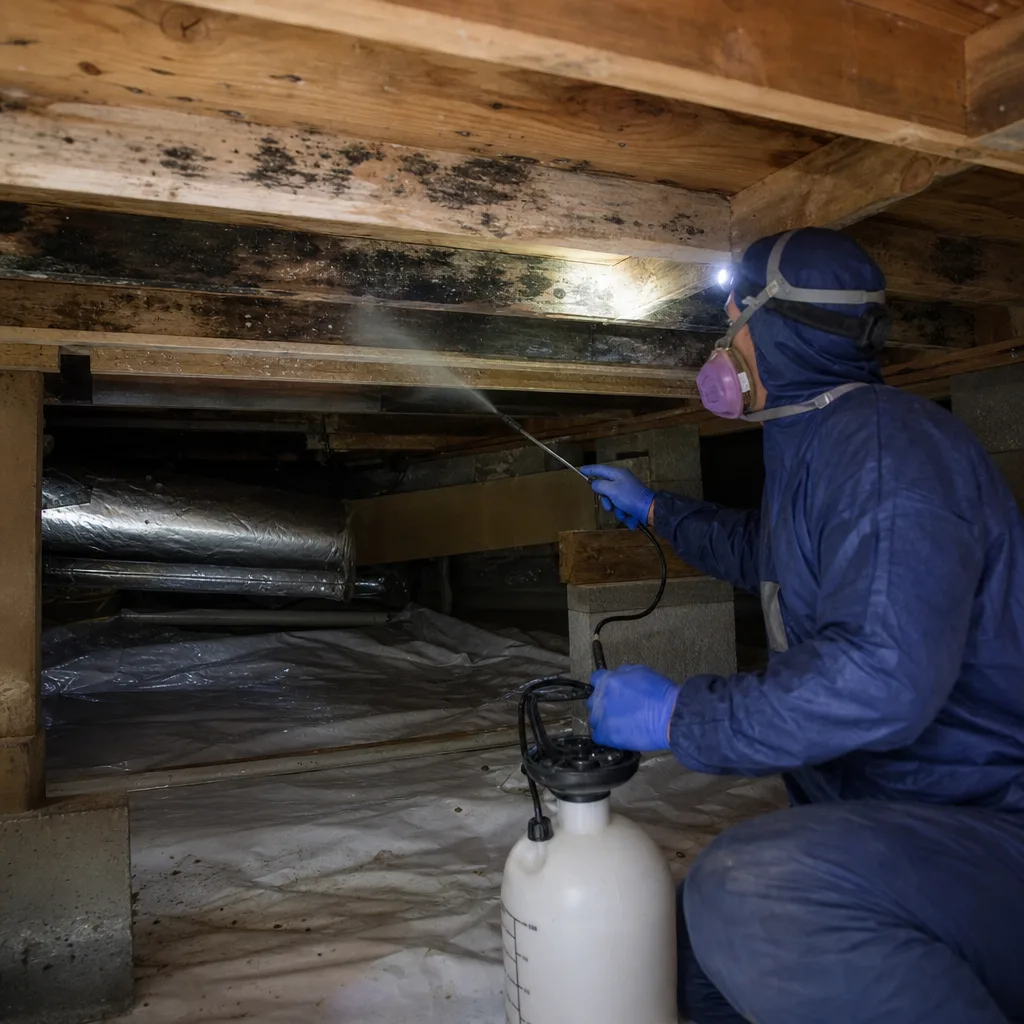
Visible mold on a hard surface smaller than 10 square feet can sometimes be addressed with appropriate PPE and EPA-registered cleaner, but Las Vegas’s low humidity creates a false signal - mold in desert climates often indicates a concealed moisture source that will recur. Our mold assessments include moisture mapping, air sampling, and thermal imaging to locate hidden colonization in wall cavities. We provide a written scope with containment protocol and clearance criteria before any remediation begins. Call (702) 483-7932 for assessment.
We coordinate directly with your adjuster, providing the daily drying logs, photo documentation, and written scopes that turn restoration invoices into payable claims. Our founder built Back to Dry around the documentation gap that costs homeowners their claims - every job includes this adjuster coordination as standard, never as an upsell. You receive copies of all documentation submitted.
Las Vegas’s specific risk profile combines: flat-roof prevalence (60%+ of residential stock in older neighborhoods) with undersized scuppers; extreme thermal cycling (40°F+ daily swings in summer) that accelerates sealant and cap failure; high pool density creating vulnerable exterior plumbing; and winter lows 5-10°F colder than Phoenix that extend pipe freeze risk to more nights per year. These factors produce a distinct seasonal pattern that generic desert maintenance guides miss.
The Bottom Line
Las Vegas has four distinct damage seasons, not one. Monsoon intensity tests roof drainage designed for drizzle. HVAC switchover creates predictable overflow failures. Winter cold snaps freeze pipes in garages and attics that homeowners assume are protected. Spring wind events damage roof penetrations that monsoon rain then exploits. The homeowner who completes the four seasonal protocols and maintains a dated photo inspection log controls both prevention and insurance claim outcomes. Documentation is not overhead - it is the evidence that separates covered loss from denied claim. For more guides & resources on protecting your Las Vegas home, visit our blog. At DryMark Restoration Las Vegas, every job starts with a written price, proceeds with a photo record, and ends with a signed 365-Day Done Right Promise under The Haven Standard.
Written by Alicia Brennan, Owner at DryMark Restoration Las Vegas, serving Las Vegas since 2011.