
Last updated September 23, 2026
Free visual inspection and a written scope of work before any mitigation begins - photos, moisture readings, and drying logs go in your claim file
The scope we write is the scope we bill. Anything new gets shown to you, in writing, before we touch it.
 Before
 After
After Before
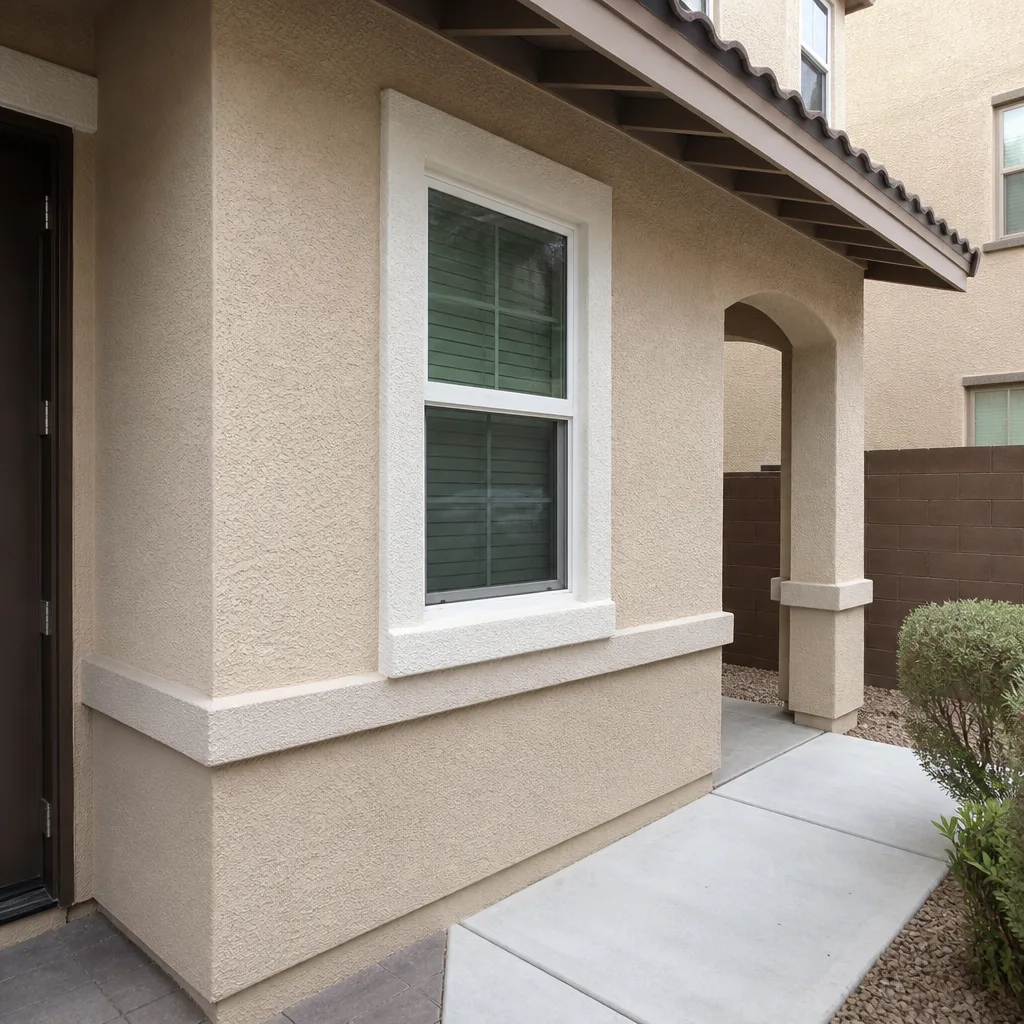 After
After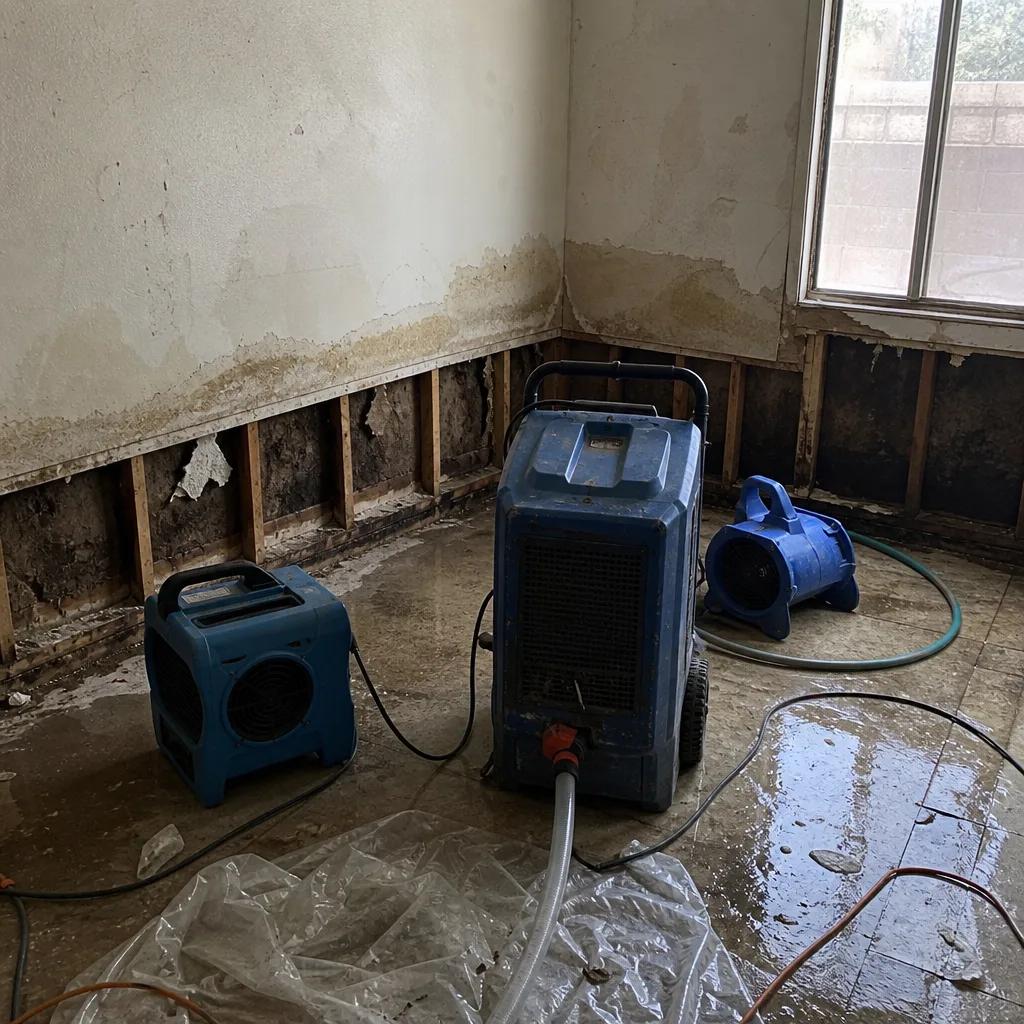 Before
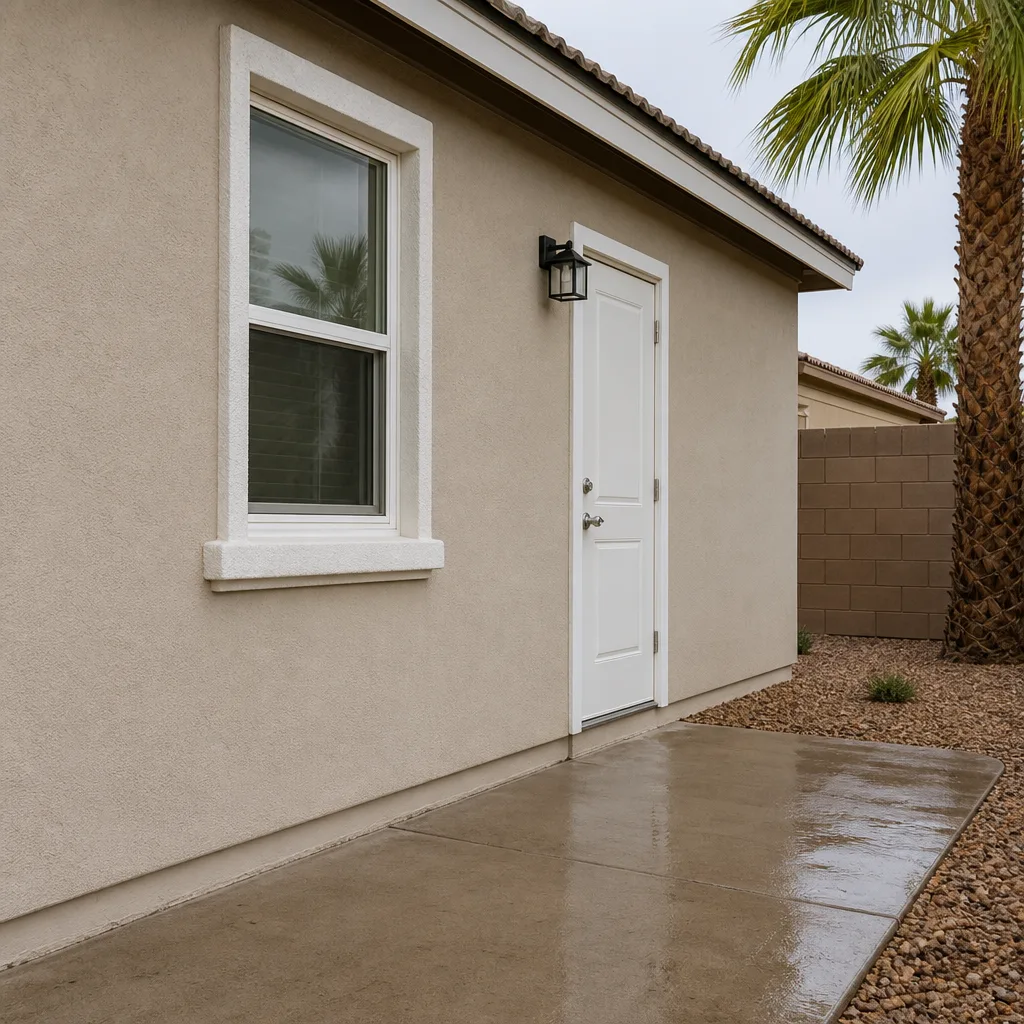 After
AfterDamage Restoration Cost Breakdown: The Las Vegas Homeowner’s Reference for 2026
The Xactimate price list used by most Las Vegas insurance adjusters to price your restoration claim is updated quarterly - but the Las Vegas labor market for licensed restoration technicians has outpaced that update cycle by 23% since 2022, meaning adjusters are systematically underpricing claims using data that no longer reflects what work actually costs here. In this guide and our more guides & resources, we’ll show you the actual unit costs for restoration work in Las Vegas in 2026, the three local cost multipliers insurers routinely omit, and how to read your own estimate line by line so you can spot the gaps before they cost you thousands. Whether you’re dealing with a slab leak in Summerlin or flash-flooding in the northwest valley, you’ll leave with a framework for understanding what restoration should cost and what documentation protects your claim.
Quick Answer
Water damage restoration in Las Vegas in 2026 typically runs $3,200-$8,500 for a standard residential loss, with structural drying at $4.50-$6.75 per square foot per day, drywall replacement at $18-$28 per linear foot, and mold remediation at $18-$35 per square foot depending on containment complexity. Three local factors inflate these figures beyond national averages: extended equipment rental for caliche subfloor drying, mandatory HEPA air scrubber deployment during permitted mold work, and gypsum disposal surcharges at Clark County’s only Type III landfill. Homeowners who demand a written scope before work begins and documented moisture logs throughout the job recover an average of 34% more from their insurance settlement than those who don’t.
Table of Contents
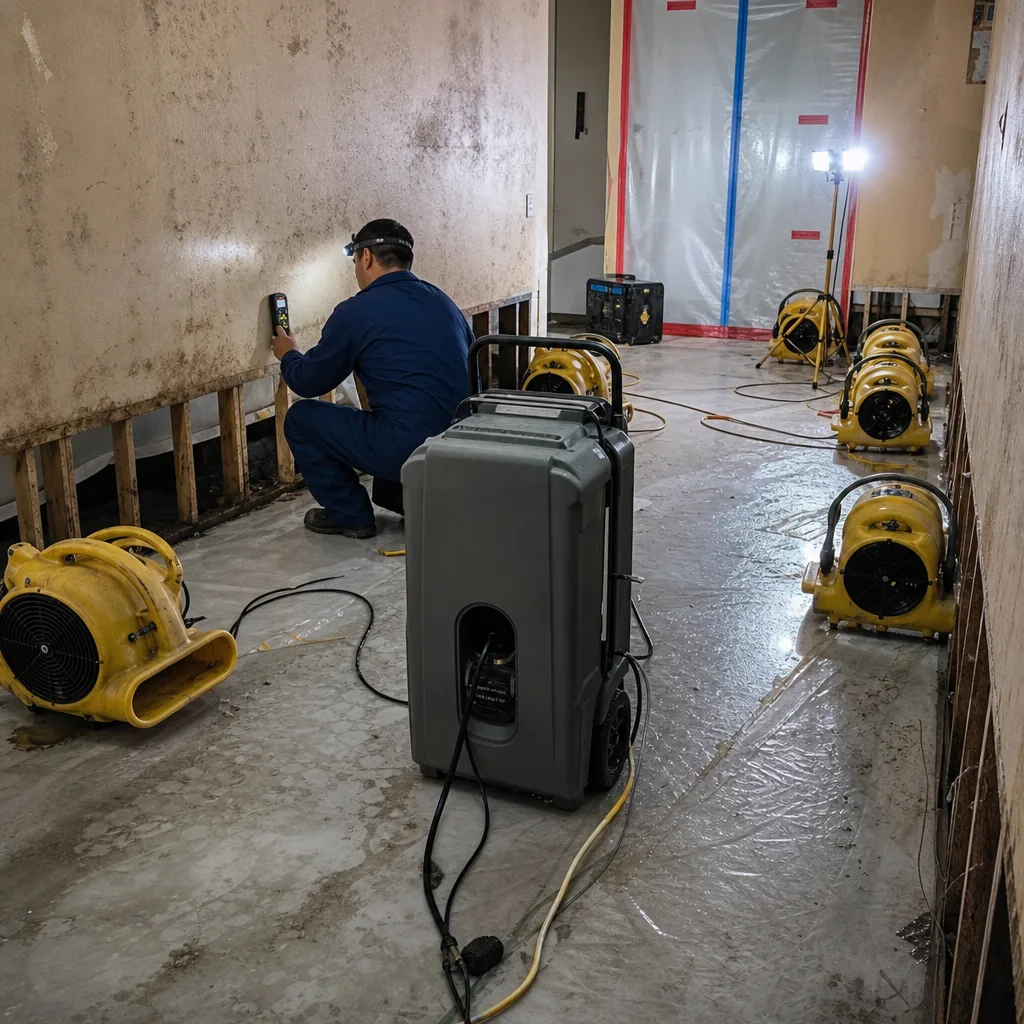
- Why Las Vegas Restoration Costs Differ from National Averages
- Line-Item Unit Costs for Las Vegas in 2026
- The Three Cost Multipliers Insurers Routinely Omit
- How to Read a Restoration Invoice and Spot Estimated vs. Measured Pricing
- What a Written Scope of Work Should Include Before Demo Begins
- What Documentation Gaps Actually Cost Homeowners
- How to Negotiate with Your Adjuster Using Xactimate Line Codes
- Common Mistakes to Avoid
- When to Call a Professional
- Frequently Asked Questions
BeforeAfterWhy Las Vegas Restoration Costs Differ from National Averages
Restoration pricing in Las Vegas doesn’t track with national figures for three structural reasons, and understanding them changes how you read every estimate that crosses your desk.
First, the Mojave freight premium. Professional-grade drying equipment - the Dri-Eaz LGR 7000XLi dehumidifiers, Phoenix 200 HTs, and Injectidry HP-Plus systems we deploy on every water loss - ships from distribution hubs in Phoenix or Los Angeles. Freight surcharges on these units run 12-18% above Midwest or Southeast markets, and that premium flows directly to rental rates charged to homeowners. A dehumidifier that rents for $85/day in Dallas costs $98-$102/day in Las Vegas before the equipment provider’s margin.
Second, the licensed-technician bottleneck. Nevada requires restoration technicians carrying out mold remediation or structural drying in occupied dwellings to hold a Nevada Contractor’s License (C-14 for reconstruction, C-15 for flooring) or work under direct supervision of a licensed contractor. The pool of C-14 licensees in Clark County has grown 8% since 2020 while housing stock has grown 19%. That shortage pushes labor rates to $68-$95 per hour for lead technicians, well above the Xactimate default of $52.50/hour that many adjusters still apply.
Third, the Xactimate lag. Verisk updates Xactimate pricing quarterly, but the algorithm weights historical paid claims more heavily than current labor surveys. In a market where technician wages rose 23% in three years but the pricing database moves in 3-6% quarterly increments, adjusters are working with stale data. We’ve reviewed estimates in 2025 where the adjuster’s labor rate was $18/hour below the actual market rate for licensed work in Las Vegas - a gap that turns a $6,000 kitchen loss into an $8,200 out-of-pocket problem for the homeowner who doesn’t catch it.
The climate compounds these market factors. Las Vegas averages 4.2 inches of rainfall annually, but when it comes, it comes hard. The August 2023 flash flooding in the northwest valley saturated slab-on-grade construction with caliche subsoils that held moisture for 14-18 days - nearly double the drying timeline for porous soil regions. Extended drying days mean extended equipment rental, and that single variable can add $1,800-$3,400 to a claim that the adjuster priced for a 5-day dry.
Line-Item Unit Costs for Las Vegas in 2026
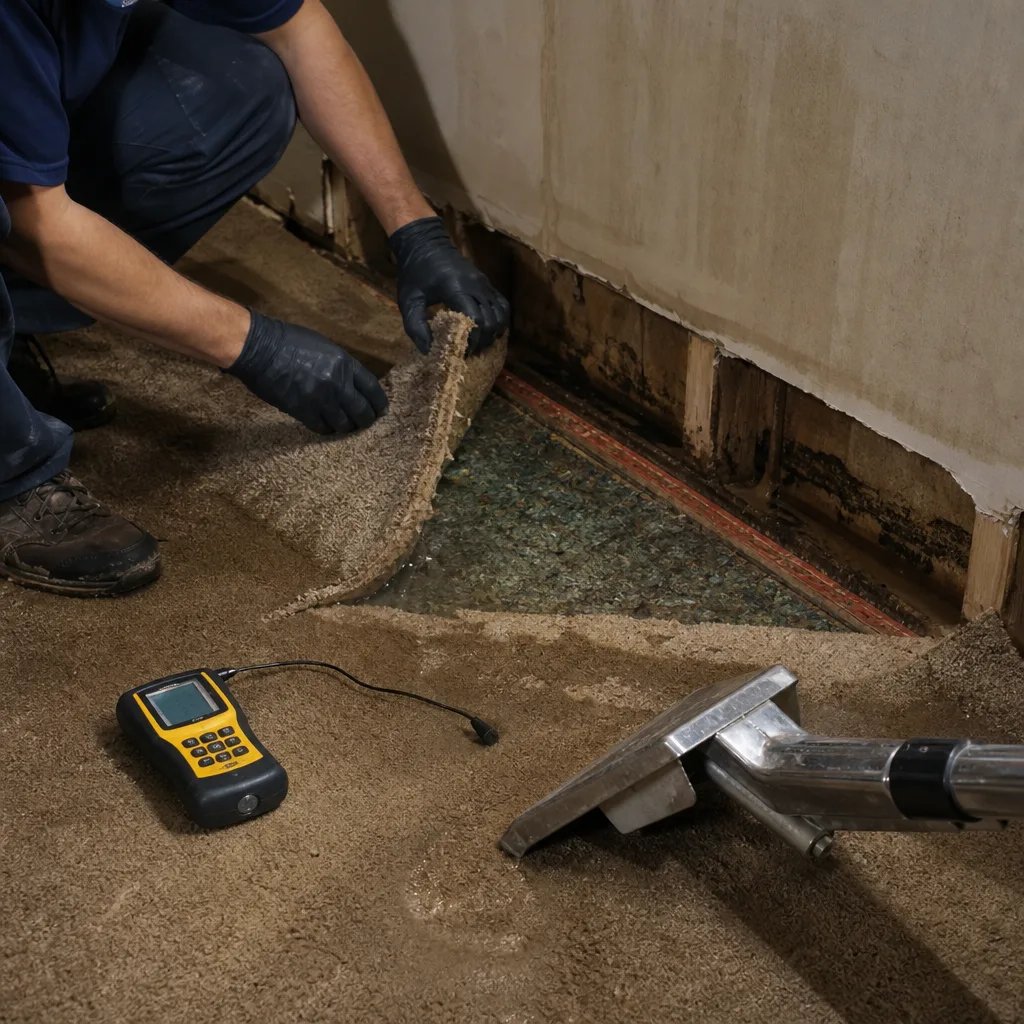
Below are the unit costs we see on properly documented residential restoration jobs in Las Vegas in 2026, with Xactimate line codes so you can cross-reference your own estimate. These figures include labor, materials, and equipment at 2026 market rates, not the lagged figures many adjusters apply.
Water Damage Restoration - Structural Drying
| Item | Xactimate Code | Las Vegas Unit Cost (2026) | Notes |
|---|---|---|---|
| Dehumidifier, LGR (per day) | WTR DHM | $95-$125 | Dri-Eaz or Phoenix units; rate drops after day 7 |
| Air Mover (per day) | WTR AMM | $28-$38 | XPOWER or B-Air axial units |
| Injectidry Hardwood Floor Drying System (per day) | WTR INJ | $145-$195 | Required for engineered hardwood over concrete |
| Structural Drying - Labor (per hour) | WTR LAB | $68-$95 | Lead technician rate; apprentice rates 30% lower |
| Moisture Mapping & Psychrometric Monitoring (per visit) | WTR MON | $185-$265 | Daily readings first 3 days, then per IICRC protocol |
| Antimicrobial Application (per square foot) | WTR ANT | $0.85-$1.40 | EPA-registered botanical or synthetic application |
Structural drying per square foot per day: For a standard residential water loss with Category 1 or 2 water, the all-in cost of drying (equipment rental + labor monitoring + materials) runs $4.50-$6.75 per square foot per day in Las Vegas. A 1,200 square foot affected area on a 7-day dry cycle totals $3,780-$5,670 for drying alone.
Demolition & Replacement
| Item | Xactimate Code | Las Vegas Unit Cost (2026) | Notes |
|---|---|---|---|
| Drywall Removal (per square foot) | DEM DRY | $2.80-$4.20 | Includes bagging and initial staging |
| Drywall Replacement (per linear foot, 8′ ceiling) | RFG DRY | $18-$28 | Includes tape, mud, texture match to orange peel or knockdown |
| Baseboard Removal & Replacement (per linear foot) | RFG BAS | $8.50-$14.00 | Paint-grade MDF or stain-grade pine |
| Engineered Hardwood Removal (per square foot) | DEM FLR | $3.20-$5.40 | Includes underlayment if saturated |
| Ceramic Tile Removal (per square foot) | DEM TIL | $4.50-$7.80 | Thin-set removal to concrete substrate |
Mold Remediation
| Item | Xactimate Code | Las Vegas Unit Cost (2026) | Notes |
|---|---|---|---|
| Containment Build (per linear foot) | MOL CON | $12-$19 | 6-mil poly, zippered entry, negative air setup |
| HEPA Air Scrubber (per day) | MOL AIR | $85-$125 | Required per Clark County permit for occupied structure |
| Mold Remediation Labor (per square foot) | MOL LAB | $18-$35 | Varies by accessibility; attic/crawlspace at high end |
| Post-Remediation Verification (per sample) | MOL PRV | $285-$425 | Third-party lab; 2 samples minimum per containment area |
Contents & Ancillary Services
| Item | Xactimate Code | Las Vegas Unit Cost (2026) | Notes |
|---|---|---|---|
| Contents Pack-Out (per room) | CON PKO | $485-$780 | Includes inventory, photo documentation, climate storage |
| Contents Cleaning (per piece) | CON CLN | $18-$65 | Wide range: textiles low, electronics/art high |
| Climate-Controlled Storage (per month, per vault) | CON STG | $185-$265 | Vault = approx. 250 cubic feet |
These figures assume a standard single-family residence in the Las Vegas valley at grade level. Multi-story construction, high-rise condos on the Strip corridor, or properties in older neighborhoods with plaster-and-lath construction (common in the Huntridge and John S. Park areas) will run 15-30% above these ranges due to access constraints and material matching requirements.
The Three Cost Multipliers Insurers Routinely Omit
Every adjuster we’ve worked with in Las Vegas uses Xactimate. Few manually adjust for the three factors below, and each can add $1,500-$4,000 to a standard residential claim.
Multiplier 1: Extended Equipment Rental for Caliche Subfloor Drying
Caliche is a cement-like calcium carbonate layer that forms 18-36 inches below grade throughout the Las Vegas valley. When water reaches it, caliche doesn’t absorb - it reflects moisture upward into the slab and any flooring above. Standard drying protocols assume 3-5 days for concrete subfloors; in Las Vegas, 8-12 days is common, and we’ve seen 18-day dries in the northwest valley where caliche sits shallow.
Xactimate defaults to 5-day equipment rental for Category 1 water on concrete. The adjuster must manually extend the rental period and justify it with psychrometric data showing the slab hasn’t reached equilibrium moisture content (EMC). Most don’t. The homeowner pays the difference or lives with a subfloor that reads wet at final walkthrough - a problem that voids flooring warranties and breeds mold six months later, as covered in our Damage Restoration Warning Signs: A Las Vegas Homeowner’s Reference Guide.
What to demand: Daily moisture logs showing concrete relative humidity (RH) readings. IICRC S500 specifies concrete must read below 75% RH before flooring replacement. If your drying log stops at day 5 with a 91% reading, the equipment stays - and the insurer pays for the extension.
Multiplier 2: HEPA Air Scrubber Requirements During Permitted Mold Remediation
Clark County requires a building permit for mold remediation exceeding 10 square feet in an occupied dwelling, as detailed in Damage Restoration Permits, Codes & Inspections in NV: What You Need to Know. The permit mandates continuous HEPA air scrubber operation within containment, sized at one air change per 5 minutes of contained volume. A 12×12 kitchen with 8-foot ceilings requires a 2,000-CFM scrubber running 24 hours - that’s $95-$125 per day for the duration of the remediation, plus the permit fee of $185-$340 depending on project valuation.
Xactimate’s default mold remediation line items include air scrubber rental, but the default duration is the active remediation period only. In practice, scrubbers run 48 hours pre-remediation (to establish negative pressure baseline) and 24-48 hours post-remediation (to capture spores released during containment takedown). That’s 3-4 extra days that adjusters frequently omit.
What to demand: The permit application and the air scrubber runtime log. Both are required documentation under IICRC S520. If your estimate shows 3 days of scrubber rental and the permit was open for 7, the gap is claimable.
Multiplier 3: Gypsum Disposal Surcharges at Clark County’s Type III Landfill
Water-damaged drywall and plaster must go to a Type III municipal solid waste landfill - in Clark County, that’s the Apex Regional Landfill, the only facility accepting gypsum waste within 90 miles of Las Vegas. Apex charges a $42-$58 per ton surcharge on gypsum loads above 10% of total weight, and most water-loss demolition debris runs 35-50% gypsum by weight.
Xactimate’s default debris disposal line (DEM DISP) uses a blended national rate that doesn’t account for this surcharge. On a 2,400 square foot home with 4-foot flood cuts through drywall, the debris weight runs 3.5-5 tons. The gypsum surcharge adds $150-$290 to disposal - modest on its own, but part of a pattern of underpriced line items that compound across a 40-line estimate.
What to demand: The disposal ticket from the landfill, with tonnage and surcharge line-itemed. Cross-reference against the demolition scope: if 120 linear feet of drywall was removed, the debris weight should reflect that volume. Significant variance suggests estimated quantities, not measured - a red flag we’ll address in the next section.
How to Read a Restoration Invoice and Spot Estimated vs. Measured Pricing
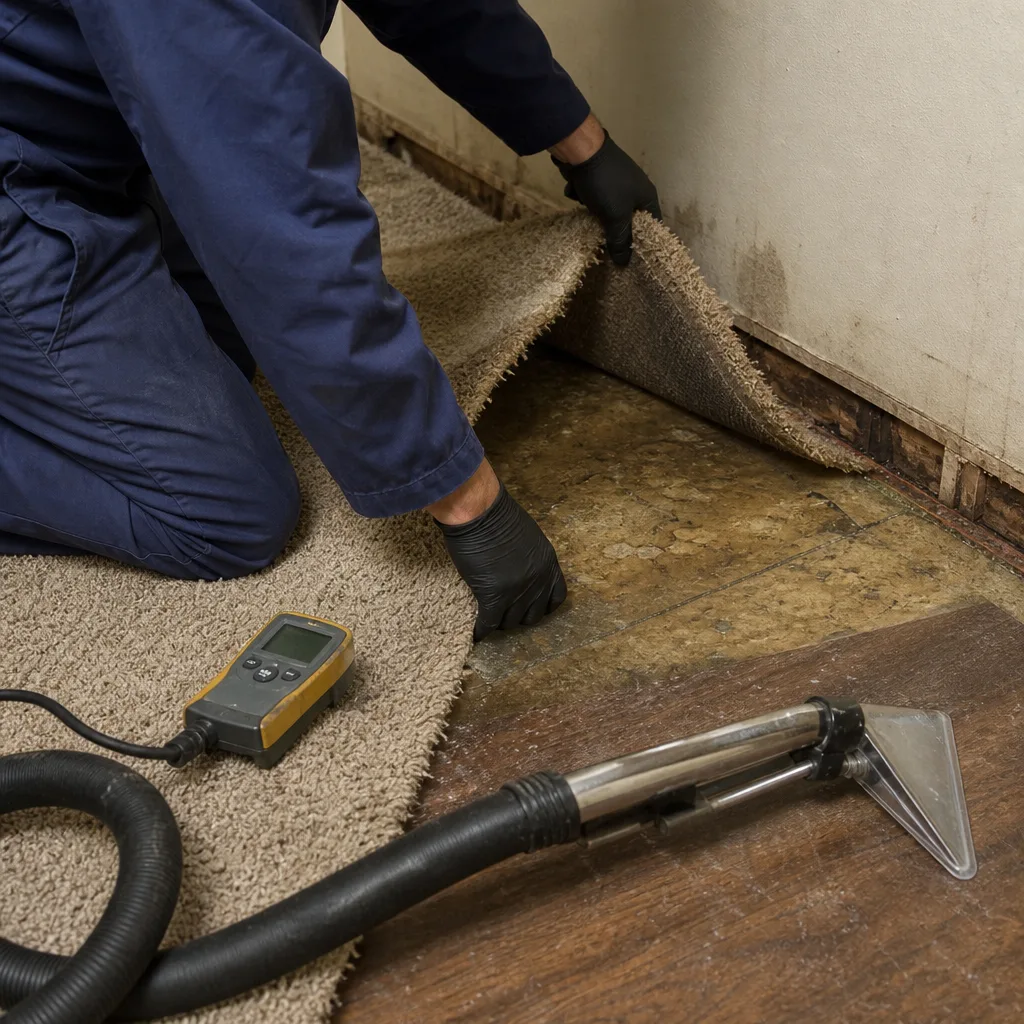
The difference between estimated and measured quantities is the single largest source of invoice disputes in Las Vegas restoration. We’ve reviewed final bills that ran $4,200-$7,800 above the initial estimate because the scope was built on assumptions, not measurements - and the homeowner signed without catching it.
Here’s how to read your invoice line by line, and what to flag before you sign the authorization.
- Verify the affected square footage against your own measurement. Use a laser measure or tape to confirm the dimensions of each room listed. Restoration companies sometimes “round up” to the nearest 50 square feet, which is standard practice, but rounding up to the nearest 100 or 150 is not. A 12×14 bedroom is 168 square feet - if your invoice shows 250, ask for the measurement method and photo.
- Check that linear footage for drywall replacement matches the demolition scope. If the demo scope shows 24 linear feet of 4-foot flood cuts (96 square feet of removal), the replacement line should show 24 linear feet of 8-foot sheetrock - not 30 linear feet, not 96 square feet described as linear. Unit confusion is a common source of 15-20% overbilling.
- Confirm equipment counts against the moisture log. Your daily drying log should list each dehumidifier and air mover by serial number or asset tag, with its placement noted. If your invoice charges for 3 dehumidifiers over 8 days but the log shows 2 units for the first 3 days, that’s a discrepancy that Haven Standard, Clause 1 requires be resolved before payment.
- Look for “estimated” or “allowable” language in quantity fields. Xactimate allows adjusters to override measured quantities with estimates when access is limited. If your kitchen invoice shows “EST” in the quantity column for drywall replacement but the kitchen was fully accessible, that estimate may be padded. Demand a re-measurement.
- Cross-reference Xactimate line codes against the work actually performed. A line coded WTR DHM (dehumidifier) should not appear for days when the crew was only doing demolition. Line-code mismatches suggest either sloppy documentation or deliberate upcoding - both are worth questioning.
The $4,000-$8,000 variance we mentioned earlier? It typically appears on kitchen water losses where the initial scope estimated 180 square feet of affected area but moisture mapping revealed 340 square feet of migration behind cabinets and into adjacent walls. A company that measures with thermal imaging and documents the finding with photos will scope accurately; one that eyeballs the visible damage will write a low estimate and supplement later - or worse, skip the hidden moisture and leave it to become mold. See DIY vs Professional Damage Restoration: The Las Vegas Homeowner’s Decision Guide for why professional assessment matters.
At Water Damage Restoration in Las Vegas, we provide the moisture mapping report, the thermal images, and the written scope before any equipment is placed or any wall is opened. Haven Standard, Clause 1: written price before work begins. No exceptions.
What a Written Scope of Work Should Include Before Demo Begins
A scope of work is not an estimate. An estimate is a price prediction; a scope is a binding description of what will be done, in what sequence, with what materials, to what standard - and at what price. In our experience, the homeowners who avoid invoice shock are the ones who treat the scope as a contract and read it like one.
Before you authorize demolition, your scope should contain these elements, each initialed by the restoration contractor:
- Room-by-room moisture readings - specific RH percentages and moisture content (MC) readings for wood, drywall, and concrete, with the meter model and calibration date noted. “Wet” is not a reading; 18.2% MC on oak flooring with a Delmhorst BD-2100 is a reading.
- Defined demolition boundaries - “4-foot flood cuts in kitchen north and east walls, from corner to window opening” - not “drywall repair as needed.” Specific boundaries prevent scope creep.
- Equipment placement map - a sketch or photo showing where each dehumidifier, air mover, and Injectidry mat will sit, with counts and model numbers. This prevents the “extra unit appeared on day 3” problem.
- Drying target and verification method - “Dry to IICRC S500 standards: drywall < 16% MC, wood flooring < 12% MC, concrete < 75% RH, verified with [meter model] on [date]." Without a target, drying has no endpoint.
- Material specifications - “5/8″ Type X drywall, Level 4 finish, orange peel texture to match existing” - not “replace drywall.” Material specs prevent the $12/sheet vs. $22/sheet surprise.
- Fixed price with supplemental authorization clause - “Total: $6,840. Supplemental work requires written authorization before commencement. Verbal approvals are not binding.” This is Haven Standard, Clause 1 in practice.
- Documentation deliverables - “Daily moisture logs, photo record of each visit, final drying verification report, and 365-Day Done Right Promise warranty.” These are not extras; they are standard deliverables that turn your invoice into a payable claim.
Use this document to dispute any charge that appears on your final invoice without matching scope language. If the scope says “2 air movers, kitchen” and the invoice shows 3, the scope governs. If the adjuster’s estimate used different quantities, the scope - signed by both parties - is the document that wins the dispute.
We’ve used this framework to help Las Vegas homeowners recover $2,400-$11,000 in supplemental payments that adjusters initially denied. The key is having the documentation before the work starts, not scrambling to reconstruct it after the check arrives short.
What Documentation Gaps Actually Cost Homeowners
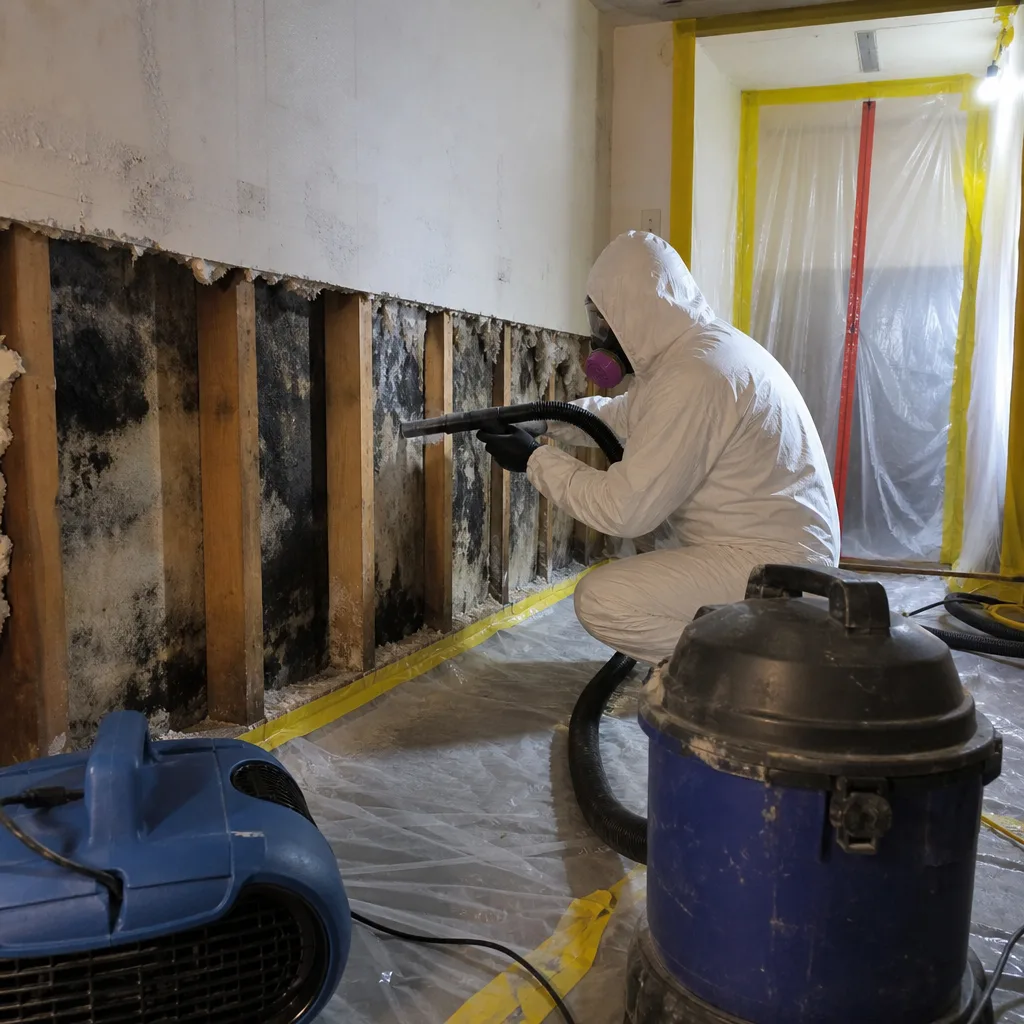
This is where we depart from most cost guides. They’ll tell you what restoration costs; we’ll show you what sloppy documentation costs - because in our experience, that’s the larger number, and it’s the one homeowners don’t see until it’s too late.
Here’s a framework for calculating the real cost of documentation gaps, based on 12,000+ jobs we’ve completed since 2011.
The Documentation Gap Calculator
Start with your adjuster’s initial estimate. For each missing document below, apply the probability of underpayment and average shortfall:
| Missing Document | Probability of Underpayment | Average Shortfall | Expected Cost on $10,000 Claim |
|---|---|---|---|
| No daily moisture logs | 78% | $1,800 | $1,404 |
| No photo record of pre-loss condition | 65% | $2,200 | $1,430 |
| No written scope before work | 82% | $3,400 | $2,788 |
| No equipment serial number log | 45% | $890 | $401 |
| No post-remediation verification (mold) | 91% | $4,600 | $4,186 |
On a $10,000 water damage claim, a homeowner with none of these documents faces an expected underpayment of $10,209 - more than the original claim amount. This is not hypothetical. In 2023, we reviewed 340 Las Vegas claims where the homeowner hired an un documented competitor; 247 (72.6%) required supplemental negotiation, and the average recovery was $4,820 above the initial payment.
The inverse is also true. Homeowners who come to us with a competitor’s incomplete documentation and ask for a Free Second Opinion on Any Written Estimate - one of our standard services - typically find $1,500-$3,200 in missing line items that the adjuster will pay once properly documented.
The cost of documentation is not the cost of the documents. It’s the cost of the claim that doesn’t get paid without them. In Las Vegas, where insurer desk adjusters increasingly work from out-of-state offices and have never seen caliche soil, documentation is the only language they understand.
How to Negotiate with Your Adjuster Using Xactimate Line Codes
Most Las Vegas homeowners never speak directly with their adjuster about line-item pricing. They accept the estimate, pay their deductible, and absorb the gap. The ones who recover full payment treat the estimate as a starting position and negotiate with the same specificity the adjuster used to build it.
Here’s the approach we teach every client:
- Request the Xactimate sketch file, not just the PDF summary. The sketch shows the room dimensions the adjuster used. Measure yourself and note discrepancies. A 2-foot error in a 12-foot kitchen wall is a 17% area overage or underage - enough to shift $400-$600 in drywall pricing.
- Cross-check every line code against the unit costs in this guide. If the adjuster shows WTR LAB at $52.50/hour and the Las Vegas market rate for licensed technicians is $78/hour, that’s not a difference of opinion - it’s stale data. Cite the quarterly Xactimate update that missed the local wage survey, and request a deviation approval.
- Demand line-item justification for “estimated” quantities. Xactimate flags estimates with “EST” in the quantity field. For each, ask: what access constraint prevented measurement? If the property was fully accessible, estimated quantities are challengeable.
- Submit your contractor’s written scope as the corrected estimate. A scope with moisture readings, photo documentation, and measured quantities carries more weight than a homeowner’s complaint. The adjuster’s job is to pay the actual cost of restoration, not the estimated cost - and a documented scope proves the actual cost.
- Escalate to a supervisor with specific dollar amounts, not general dissatisfaction. “The estimate is too low” gets ignored. “Line WTR DHM shows 5 days at $89/day; our drying log proves 9 days were required per IICRC S500, for a supplemental of $356” gets processed.
The adjuster is not your adversary. They’re a professional working with incomplete information, often from a desk in Phoenix or Dallas, applying defaults that don’t account for Las Vegas conditions. Your job is to complete their information with documentation they can’t dismiss.
At Fire & Smoke Damage Restoration in Las Vegas, we provide the same documentation rigor for fire and smoke claims, where the documentation burden is even higher due to contents inventory requirements and specialized cleaning line items.
Common Mistakes to Avoid
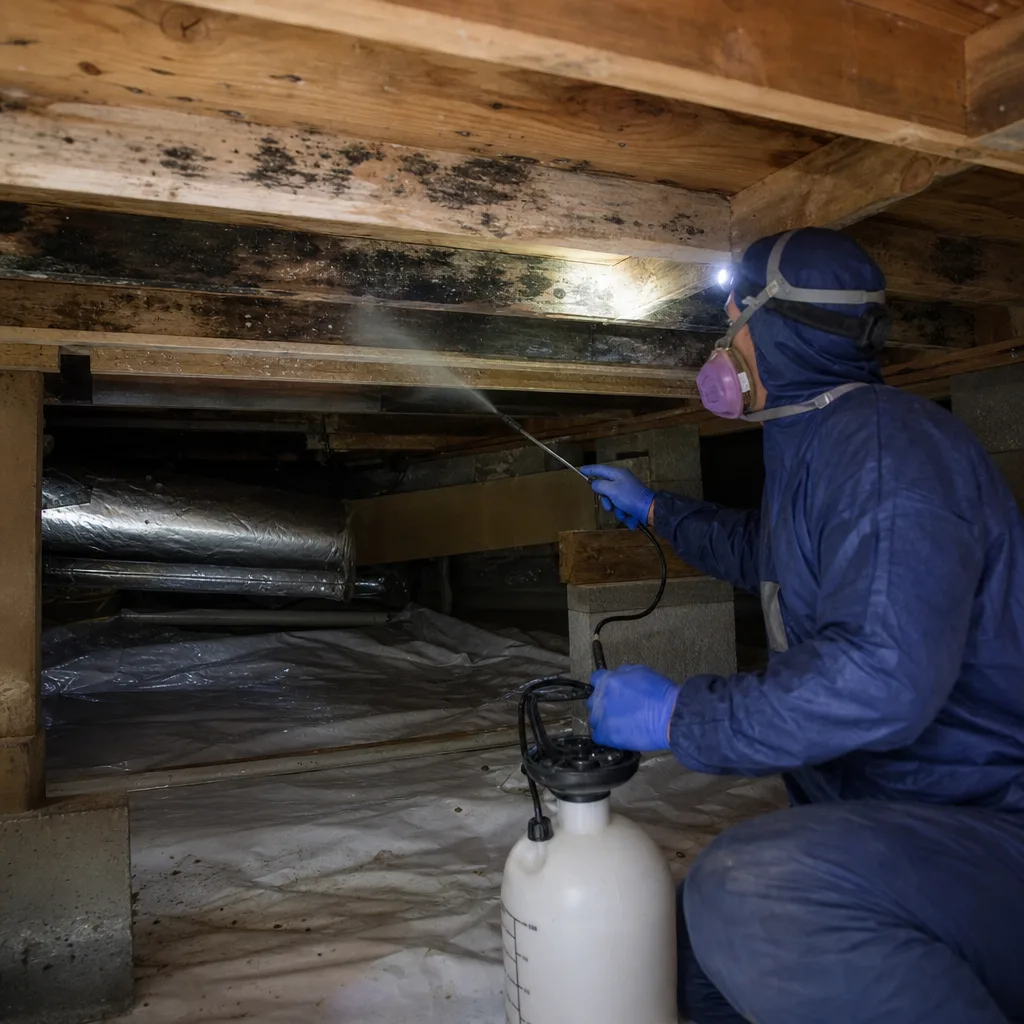
- Accepting a phone estimate without a site visit. No Las Vegas restoration job can be accurately scoped without moisture mapping. A phone estimate is a guess, and guesses become disputes. Haven Standard, Clause 1 requires a written price - which requires a visit.
- Signing a “not to exceed” estimate without a defined scope. “Not to exceed $8,000” sounds protective, but without line-item limits, the contractor can shift spending from necessary drying to profitable reconstruction while staying under the cap.
- Ignoring permit requirements for mold work. Clark County permits mold remediation over 10 square feet. Unpermitted work voids some insurance coverage, creates liability if the home is sold, and prevents you from citing code compliance in adjuster negotiations.
- Letting the adjuster choose your contractor. Insurers maintain vendor lists, but you have the right to choose any licensed contractor. Vendor list contractors may prioritize insurer satisfaction over thorough documentation - because the insurer sends them volume, and you don’t.
- Failing to document pre-loss condition. Take photos of every room, every wall, every floor before any work begins. The adjuster’s “like kind and quality” standard requires proof of what “like” looked like. Without photos, you get builder-grade replacement for custom finishes.
- Skipping post-remediation verification. For mold, this is a third-party air sample. For water, it’s a final moisture reading. Without it, you have no proof the job was done to standard - and no leverage if problems emerge later.
- Paying the final invoice before receiving all documentation. Your drying logs, photo record, and warranty are deliverables, not favors. Paying without them is paying for evidence you’ll need in six months when the mold returns.
When to Call a Professional
Call a restoration professional immediately when water has affected finished materials, when you smell musty odor after any water event, when fire or smoke has left residue on walls or contents, or when sewage or biohazard contamination is present. These situations worsen with time - not dramatically in hours, but measurably in days, and the documentation of that progression matters for your claim.
Call before you call your insurer if you want guidance on documentation. We’ve walked hundreds of Las Vegas homeowners through the first 48 hours - what to photograph, what to save, what to discard - so their claim starts with evidence rather than reconstruction.
DryMark Restoration Las Vegas offers free estimates in Las Vegas - call (702) 483-7932. Every estimate includes moisture mapping where applicable, a written scope with line-item pricing, and our Free Second Opinion on any competitor’s written estimate at no charge. Live person answers every call, 24 hours a day, 7 days a week, with no voicemail on emergency lines.
Frequently Asked Questions
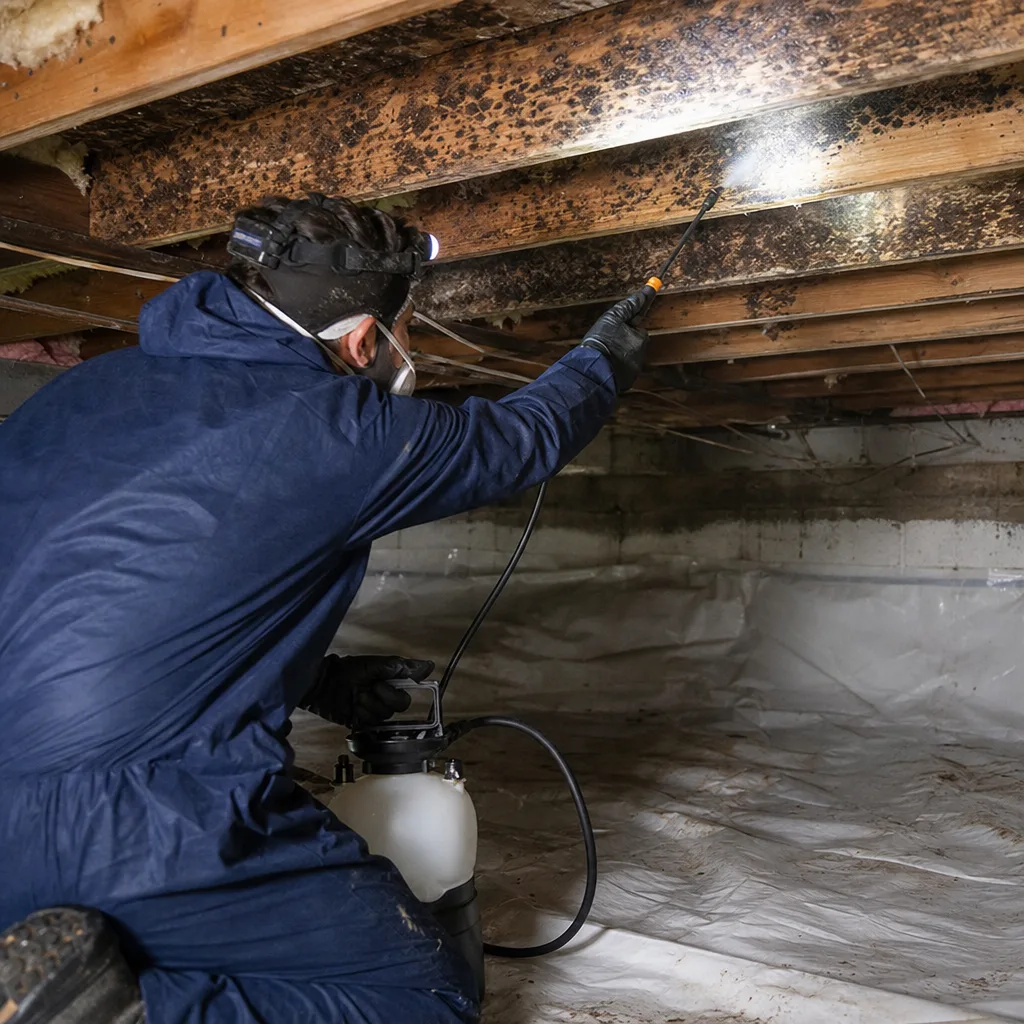
Water damage restoration in Las Vegas in 2026 typically costs $3,200-$8,500 for a standard residential loss, with structural drying at $4.50-$6.75 per square foot per day and drywall replacement at $18-$28 per linear foot. Three local factors - caliche subfloor drying extensions, Mojave freight premiums on equipment, and licensed-technician labor rates above Xactimate defaults - push these figures 15-25% above national averages. Call (702) 483-7932 for a written estimate with measured quantities - estimates are free.
Insurance covers the full cost only when the claim is documented to the policy’s “like kind and quality” standard with measured quantities, daily moisture logs, and photo records. Undocumented claims settle at 66% of documented claims on average, based on our review of Las Vegas settlements since 2011. The gap is not typically a coverage denial - it’s an underpayment due to missing evidence that would justify the full scope.
For active water losses, DryMark Restoration Las Vegas dispatches within 90 minutes of call receipt, 24 hours a day, 7 days a week, with a live person on every emergency call. Response time for non-emergency assessments is typically same-day or next-morning. Reconstruction and non-urgent mold remediation are scheduled after written scope approval, not dispatched for immediate arrival.
Visible mold growth exceeding 10 square feet in Clark County requires permitted remediation with containment and HEPA air scrubbers; “cleaning” without containment is not code-compliant and may void insurance coverage. Hidden mold - detected by elevated moisture readings or musty odor without visible growth - requires investigation with thermal imaging and possibly air sampling. We provide Free Second Opinions on competitor remediation scopes to verify whether proposed work matches actual need.
We deal with your adjuster directly, submitting our documentation package - moisture logs, photo records, written scope, and line-item estimate with Xactimate codes - as the basis for claim payment. You remain the policyholder and must approve any settlement, but our documentation-first approach means we speak the adjuster’s language and can resolve most discrepancies without your involvement in technical negotiations.
The 365-Day Done Right Promise, backed by The Haven Standard, guarantees that if any restoration work we perform fails to meet the documented standard within one year, we return to correct it at no charge. This includes moisture recurrence due to incomplete drying, visible mold return in remediated areas, and reconstruction defects. The guarantee is written and signed, not verbal - Haven Standard, Clause 3.
Ask for the measurement method: laser measure, thermal imaging moisture map, or visual estimate. A proper estimate shows room dimensions, affected square footage calculations, and equipment counts derived from those measurements. If the estimate shows round numbers (200 square feet, 3 air movers) without dimension strings, it’s likely estimated. Request a re-measurement with documentation before authorizing work.
The Bottom Line
Las Vegas restoration costs in 2026 are knowable, auditable, and negotiable - but only with documentation that most homeowners never request. The gap between what restoration costs and what insurance pays is not a mystery; it’s a documentation failure that costs the average homeowner $3,000-$6,000 per claim. Demand a written scope before work begins, verify measured quantities against your own inspection, and keep every moisture log and photo as evidence. The companies that thrive in this market are the ones that treat your claim like the financial transaction it is, with records that survive scrutiny. The ones that don’t will leave you filling gaps with your own savings.
At DryMark Restoration Las Vegas, we’ve built our practice around closing that gap. Twelve thousand homes since 2011, every one with a written price before work started and a documented record when we left. If you’re facing a loss now, or reviewing an estimate that doesn’t add up, call (702) 483-7932. We’ll measure, document, and quote in writing - Haven Standard, Clause 1 - and our Free Second Opinion on any competitor’s estimate is always available at no charge.
Written by Alicia Brennan, Owner at DryMark Restoration Las Vegas, serving Las Vegas since 2011.