
Last updated September 23, 2026
Free visual inspection and a written scope of work before any mitigation begins - photos, moisture readings, and drying logs go in your claim file
The scope we write is the scope we bill. Anything new gets shown to you, in writing, before we touch it.

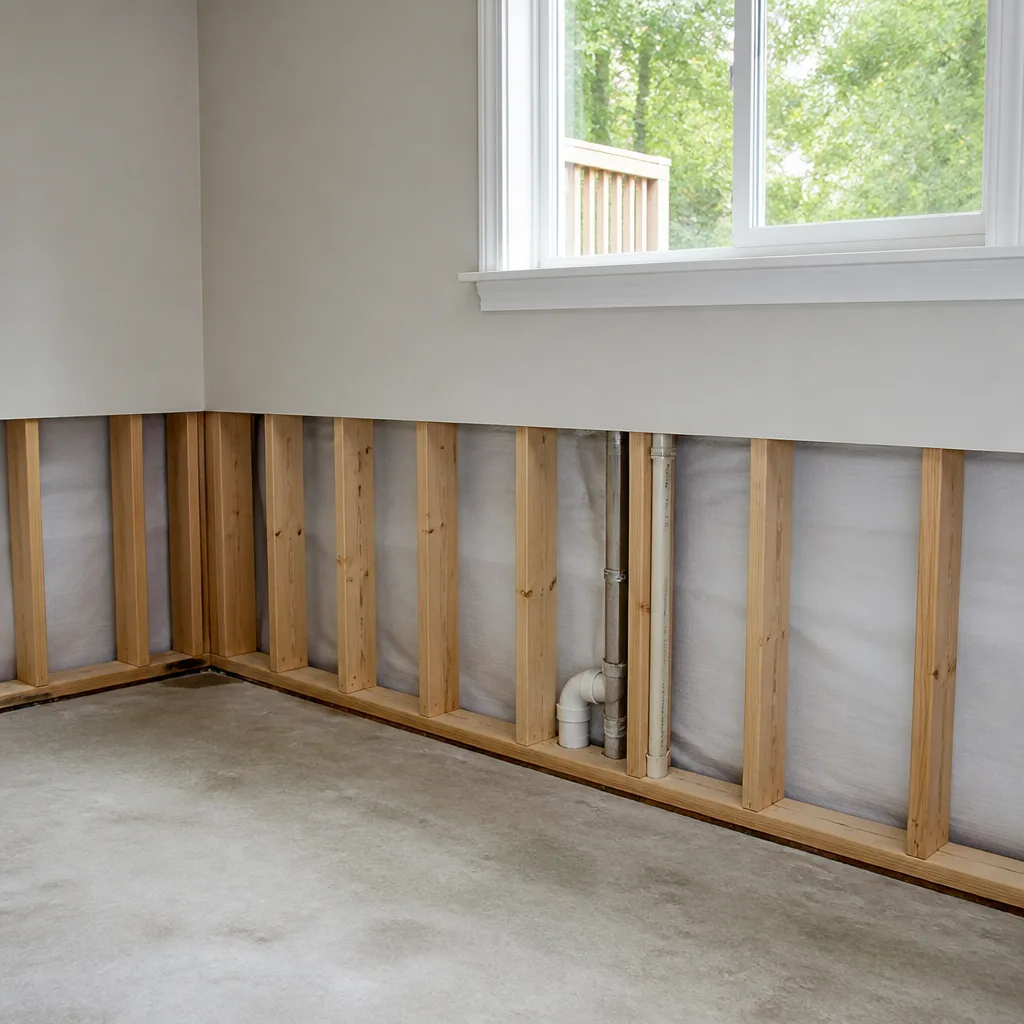

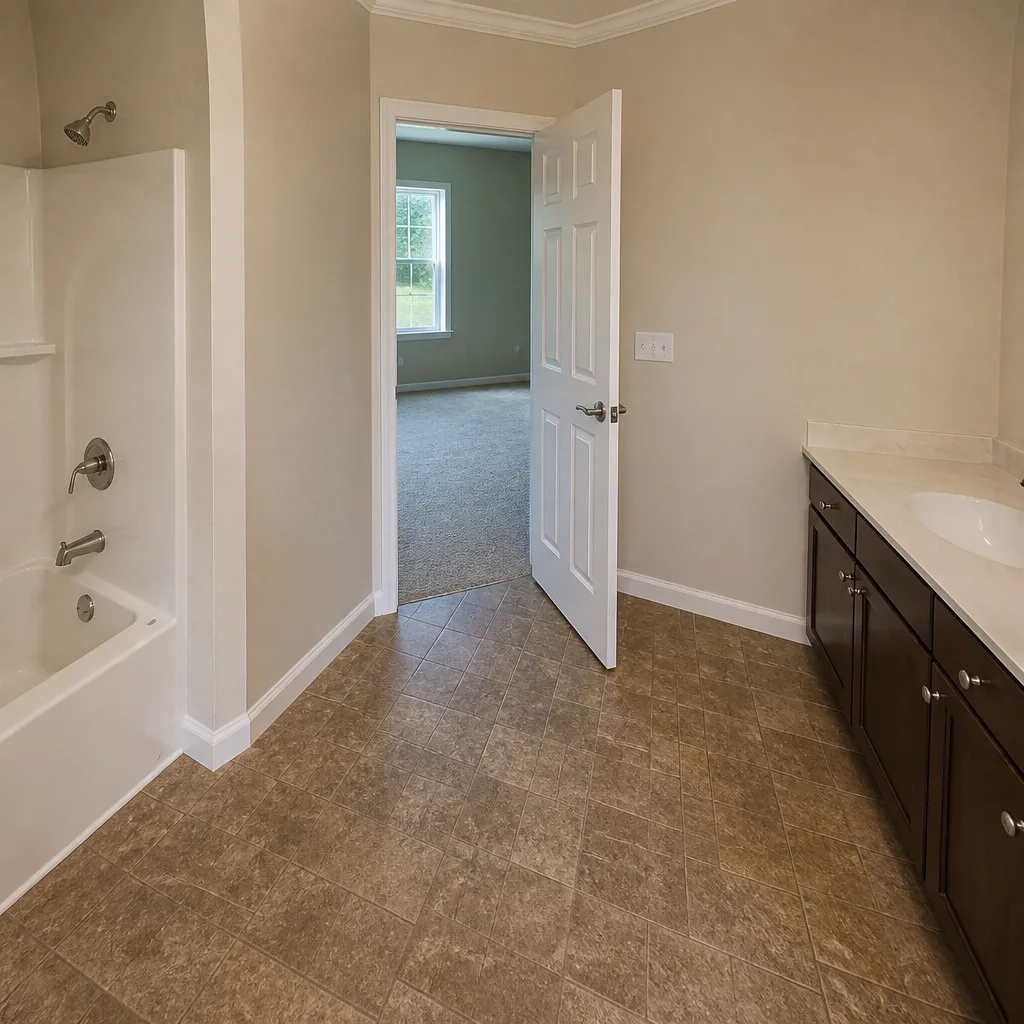

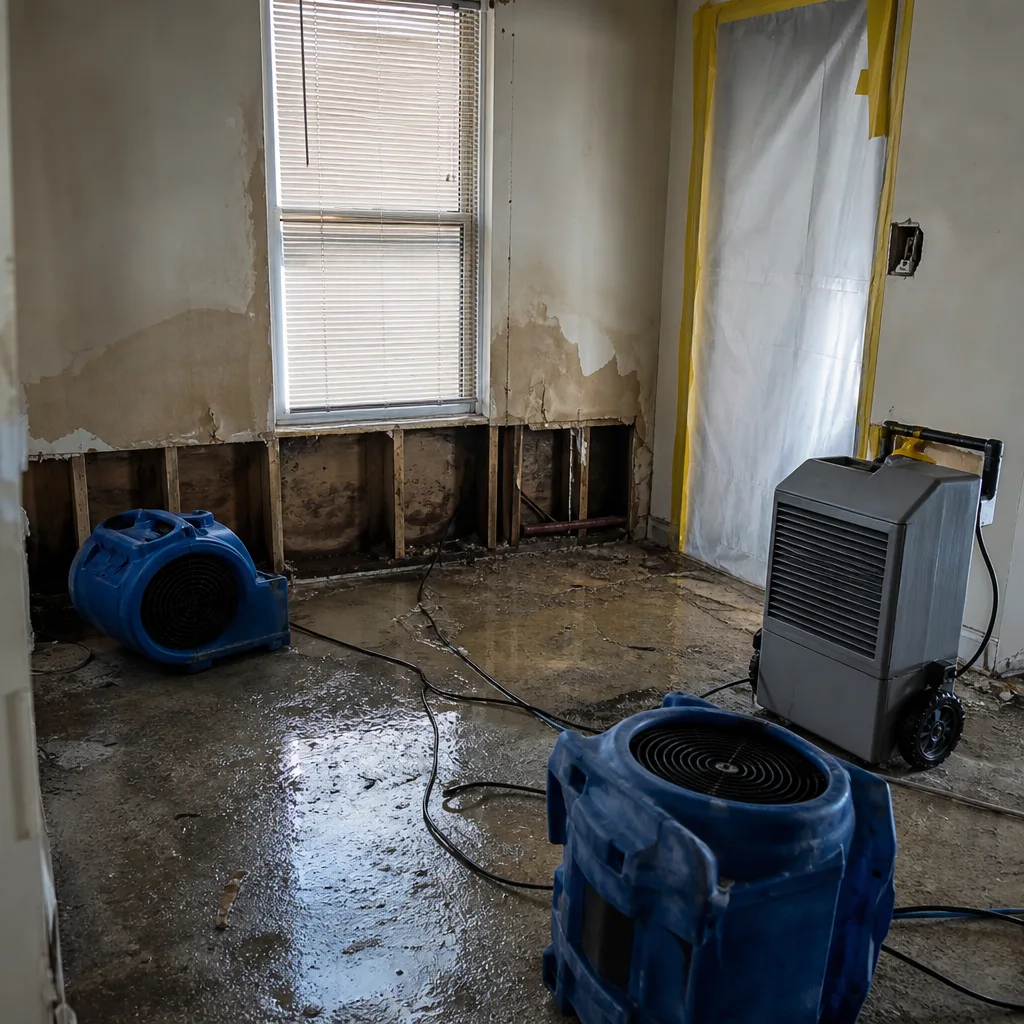 Before
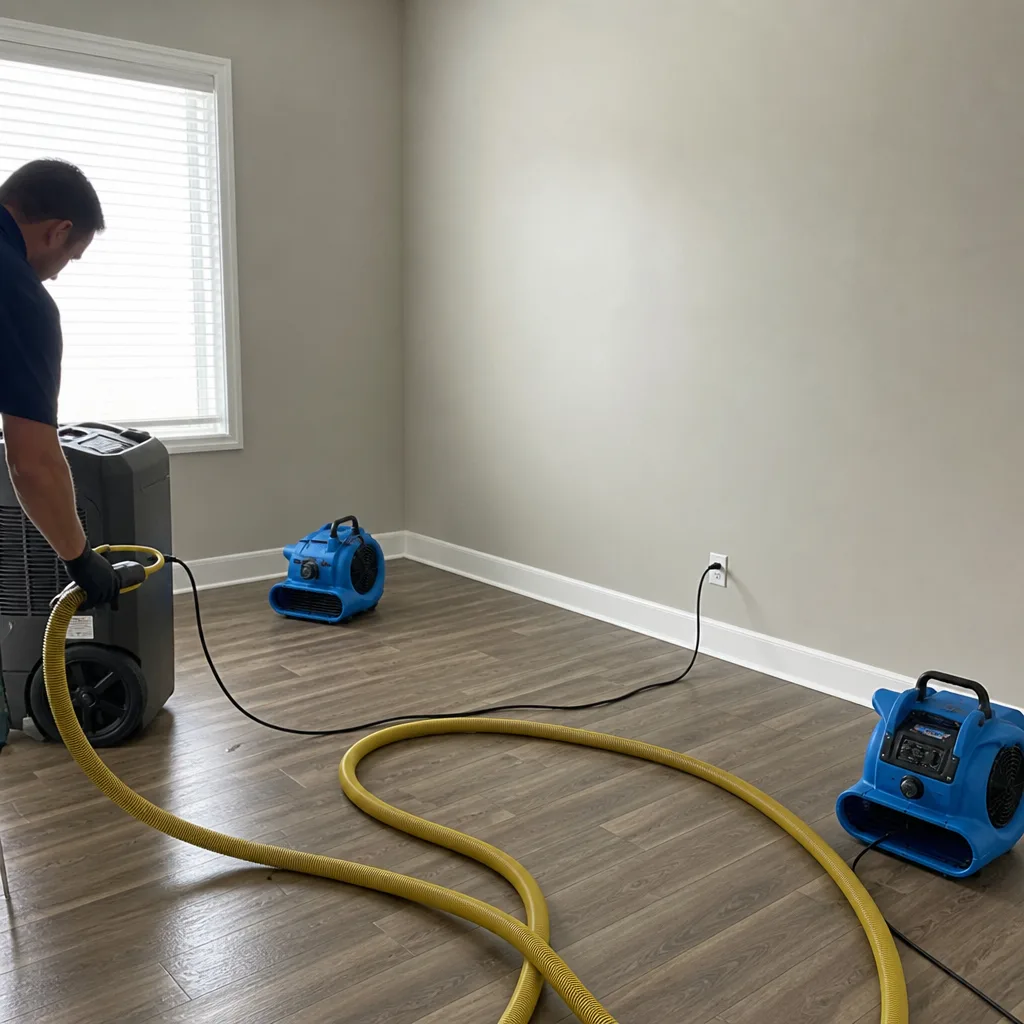 After
After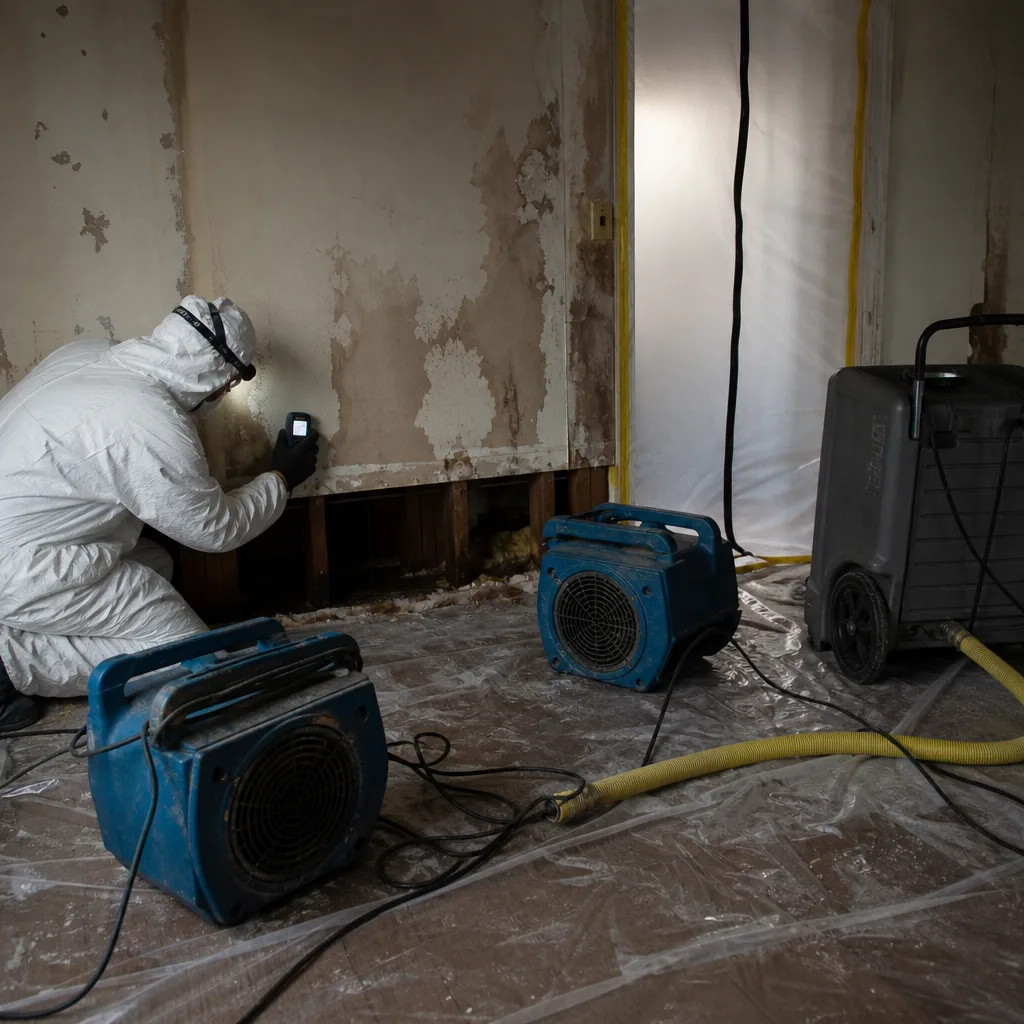 Before
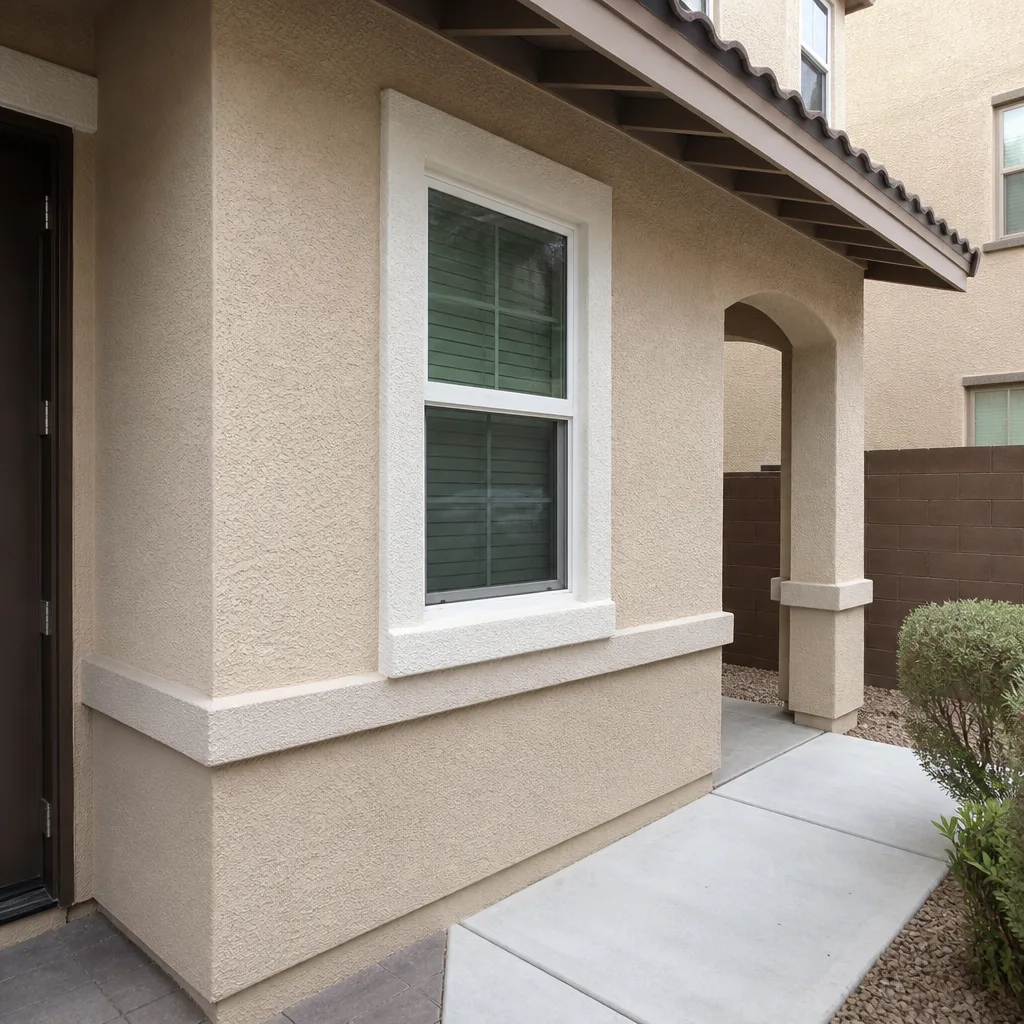 After
After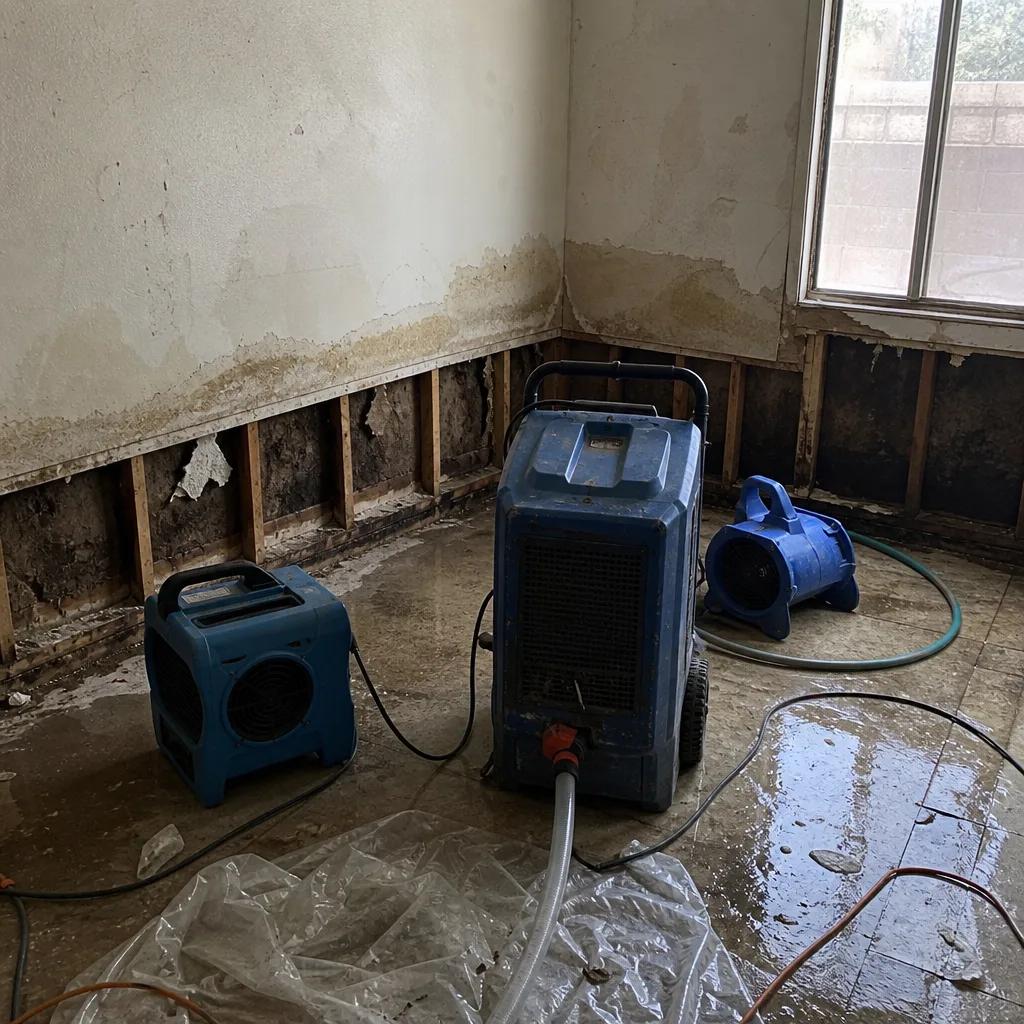 Before
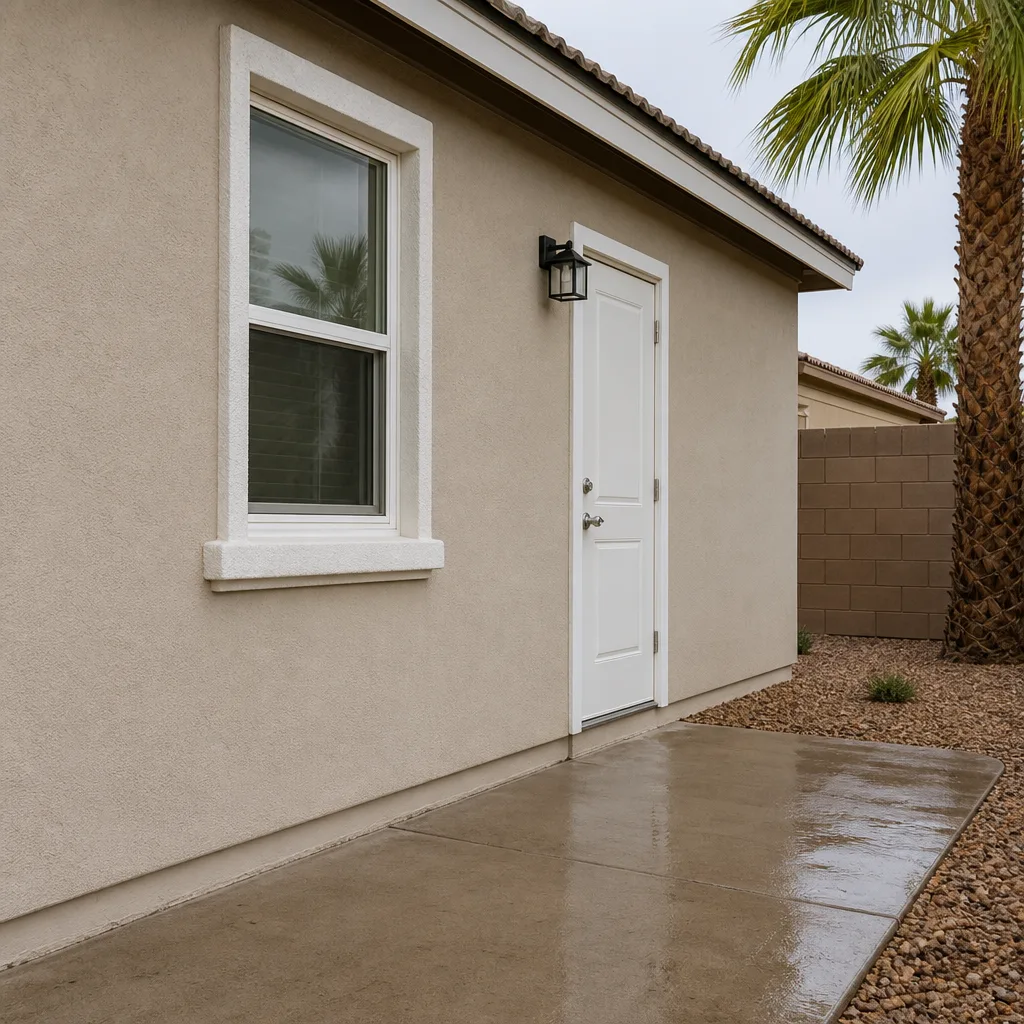 After
AfterDamage Restoration Permits, Codes & Inspections in NV: What You Need to Know
Clark County issued 847 stop-work orders on residential projects in 2023. A significant portion involved restoration work where structural repairs were completed without the required building permit, leaving homeowners holding the code violation at the worst possible time. Most Nevada homeowners assume permits are the contractor’s problem, but under Clark County code, an unpermitted structural repair discovered at resale or during a subsequent claim is the homeowner’s liability, not the contractor’s, and it can retroactively void insurance coverage on the affected area. This guide explains exactly which restoration tasks trigger permits in Las Vegas, how to verify your property’s permit history, and how to document completed work so it survives your next insurance claim or home sale. For Damage Restoration Warning Signs: A Las Vegas Homeowner’s Reference Guide, see our companion resource.
Quick Answer
In Nevada, damage restoration work requires a Clark County building permit whenever structural sheathing is replaced, electrical systems are reconnected after water intrusion, HVAC ducts are replaced, or wall assembly reconstruction exceeds 50% of a room’s linear footage. Homeowners bear the liability for unpermitted work discovered later, and failed inspection records follow the property. Proper documentation includes pulling permits, passing all intermediate inspections, and retaining the final inspection card.
Table of Contents
- Which Restoration Tasks Trigger a Clark County Building Permit?
- How to Pull a Permit History on Your Own Property
- Nevada Contractor Licensing Requirements for Restoration Work
- The Inspection Sequence for Permitted Restoration Projects
- How to Document That Permitted Work Was Completed and Inspected
- How Unpermitted Work Can Void Insurance Coverage
- Common Mistakes to Avoid
- When to Call a Professional
- Frequently Asked Questions
BeforeAfterWhich Restoration Tasks Trigger a Clark County Building Permit?
Not every water extraction or surface cleaning requires a permit. But the line between mitigation and reconstruction in Clark County is specific, and crossing it without paperwork creates a code violation that attaches to the property, not the contractor who did the work.
Here are the four restoration scenarios that trigger a mandatory Clark County building permit:
- Structural sheathing replacement: Any removal and replacement of wall sheathing, roof decking, or subflooring that serves as a structural component. In Las Vegas, this commonly follows monsoon-driven roof leaks that saturate OSB roof decking or slab leaks that compromise subflooring in single-story ranch homes built between 1995 and 2010.
- Electrical reconnection after water intrusion: When outlets, switches, or panels are disconnected due to water contact and must be re-energized. This includes replacement of flooded electrical panels, which we see regularly in Summerlin and Henderson after irrigation line failures in exterior walls.
- HVAC duct replacement: Any ductwork removed due to contamination, flooding, or fire damage requires permit and inspection. Las Vegas’s extreme heat cycles and desert dust infiltration make post-loss duct replacement common, especially in attic systems in the northwest valley.
- Wall assembly reconstruction exceeding 50% of linear footage: If demolition and rebuild of a wall’s studs, insulation, and drywall exceeds half the room’s perimeter, Clark County requires a permit. This threshold catches most kitchen and bathroom restoration projects after significant water losses.
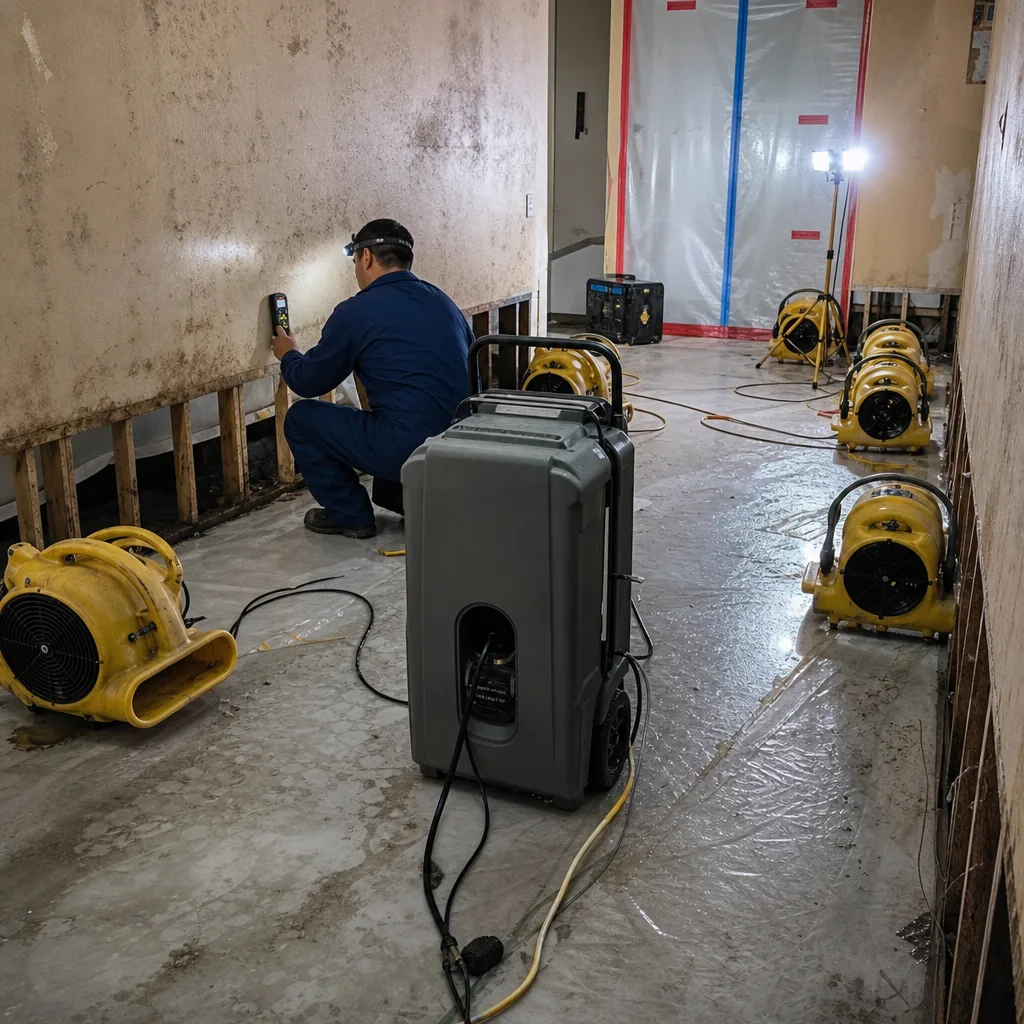
What does not require a permit? Pure mitigation: water extraction, dehumidification, content manipulation, and surface cleaning. At Water Damage Restoration in Las Vegas, our initial response focuses on stopping the damage and documenting conditions with moisture readings, thermal imaging, and photo records. The permit question arises when we move from drying to rebuilding.
The 50% linear footage rule surprises many homeowners. A 12-by-14-foot bedroom has 52 linear feet of wall. Remove and replace more than 26 linear feet of wall assembly, and the permit threshold is crossed. In practice, this means most whole-room restorations after significant water or fire damage require permitting. We’ve seen homeowners in the Centennial Hills area complete what they believed was minor patching, only to discover at resale that the cumulative linear footage triggered a violation.
Clark County’s Building Department maintains the definitive interpretation, and we recommend verifying any borderline case directly. But in our experience since 2011, the safe assumption is: if studs come out, check whether a permit is required before they go back in.
How to Pull a Permit History on Your Own Property
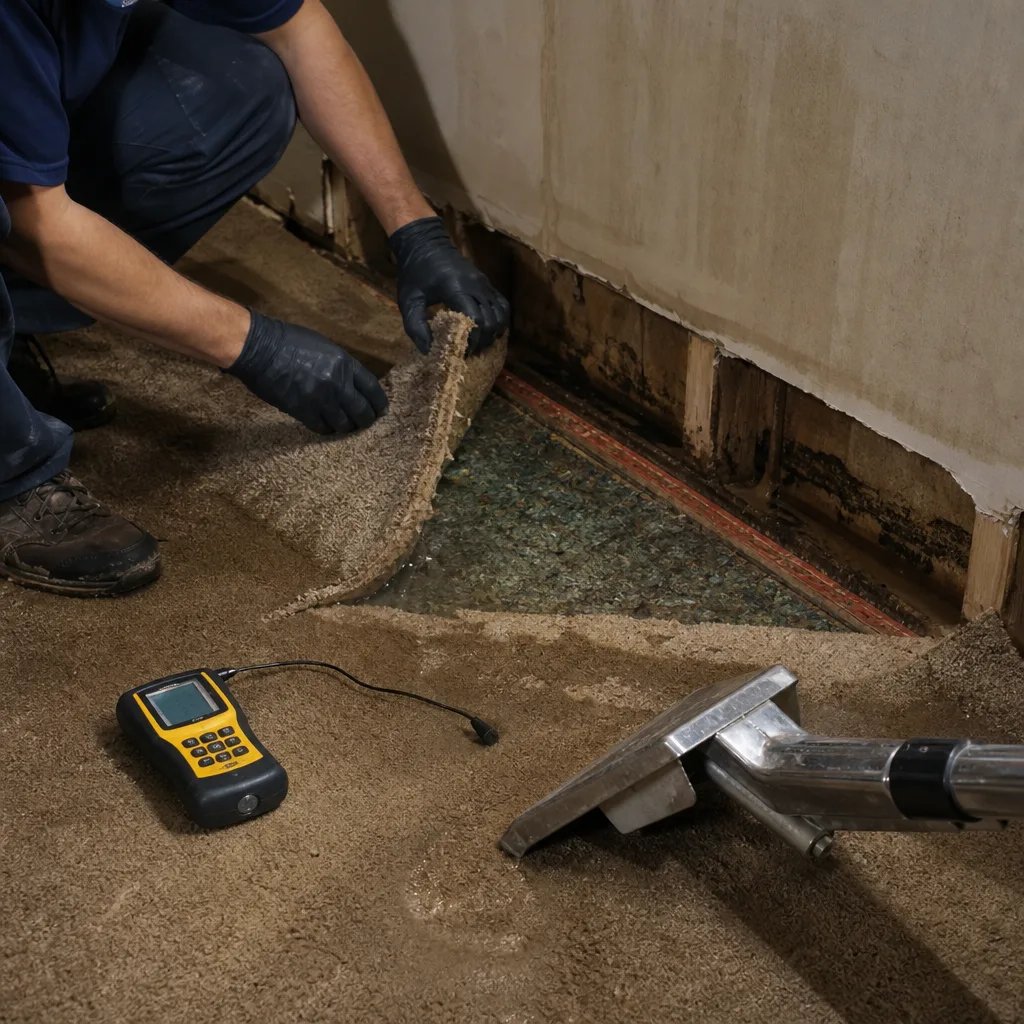
Before you hire a damage restoration contractor in Las Vegas, or before you list your home for sale, you should know what work has been performed and whether it was properly permitted. Clark County makes this searchable, though the system requires patience.
- Navigate to ClarkCountyNV.gov and locate the Building & Fire Prevention Department’s permit search portal.
- Search by property address or parcel number. Parcel numbers are more reliable; address matching can fail on corner lots or properties with unit designations.
- Review the permit history for any work completed in the past 10 years. Look for permits issued in categories including “Repair,” “Remodel,” “Electrical,” “Mechanical,” and “Plumbing.”
- Cross-reference permit dates against any insurance claims or restoration work you know occurred. A water loss in March 2019 should correlate with a permit pulled in March or April 2019 if structural work followed.
- If you find restoration work with no corresponding permit, or permits with no final inspection recorded, you have a documentation gap that needs closing.
What to do if you discover unpermitted prior restoration? You have three paths, depending on timing and severity:
- Before listing the home: Contact Clark County’s Building Department to discuss retroactive permitting. This typically requires exposing the work for inspector verification, which may mean removing drywall or siding. Costly, but it clears the title.
- During a new insurance claim: Disclose the unpermitted work to your adjuster immediately. Concealment can constitute claims fraud under Nevada law. The adjuster may require a licensed contractor’s letter confirming the work was completed to code, or may exclude the affected area from coverage.
- No immediate transaction or claim: Document what you know, photograph visible conditions, and retain any contractor information. The violation remains with the property, but proactive documentation reduces future surprise.
In Las Vegas’s rapid resale market, unpermitted work surfaces most often during buyer inspections or lender-required appraisals. We’ve worked with homeowners in Green Valley and Anthem who discovered prior owners’ shortcuts only after purchase. The permit search is now a standard step in our pre-work assessment for any restoration project where we suspect prior damage.
Nevada Contractor Licensing Requirements for Restoration Work
Nevada Revised Statutes 624 governs contractor licensing, and restoration work falls under specific classifications that matter to homeowners more than most realize. A general contractor’s C license does not automatically authorize mold remediation. A water damage contractor without electrical licensing cannot legally reconnect a flooded panel. The homeowner who hires improperly licensed trades assumes liability for the outcome.
The relevant license classifications for restoration work in Nevada:
- C-3c Mold Remediation: A separate, specific license required for any mold remediation project. A general contractor performing mold work without this classification violates NRS 624 and exposes the homeowner to liability if remediation is incomplete or improper. We’ve reviewed competitor estimates where mold remediation was scoped under a general C license; this is unpermitted work by definition.
- C-2 Electrical: Required for any electrical reconnection, panel replacement, or circuit modification following water or fire damage.
- C-21 Refrigeration and Air Conditioning: Required for HVAC duct replacement and system reconnection.
- C-4 Plumbing: Required for any plumbing repair beyond simple fixture replacement, including slab leak repairs that often precede restoration work.
- B-General Building: Permits structural reconstruction, including the wall assembly work that exceeds 50% linear footage. But a B license alone cannot perform the electrical, mechanical, or plumbing work within that reconstruction without proper subclassifications.
The liability exposure works like this: if a subcontractor performs mold remediation without a C-3c license, and mold recurs or spreads, the homeowner’s insurance may deny subsequent claims related to that area. The insurer’s position is that unlicensed work is not “work” for coverage purposes. We’ve seen this applied in Las Vegas claims where homeowners believed they were fully covered, only to learn their prior contractor’s licensing gap created an exclusion.
At DryMark Restoration Las Vegas, every technician is licensed appropriately for the work performed, with license numbers documented in the job file. We do not subcontract mold remediation to unlicensed parties. Our Mold Remediation in Las Vegas work is performed under direct C-3c supervision, with documentation that satisfies both Clark County and insurance adjuster review.
How to verify a contractor’s license: the Nevada State Contractors Board maintains a public search at nscb.nv.gov. Enter the business name or license number. Confirm the classification matches the work being performed. Check for disciplinary actions, which in Nevada are posted for 10 years. A contractor with past violations for unpermitted work or unlicensed subcontracting is a predictor of future problems.
The Inspection Sequence for Permitted Restoration Projects
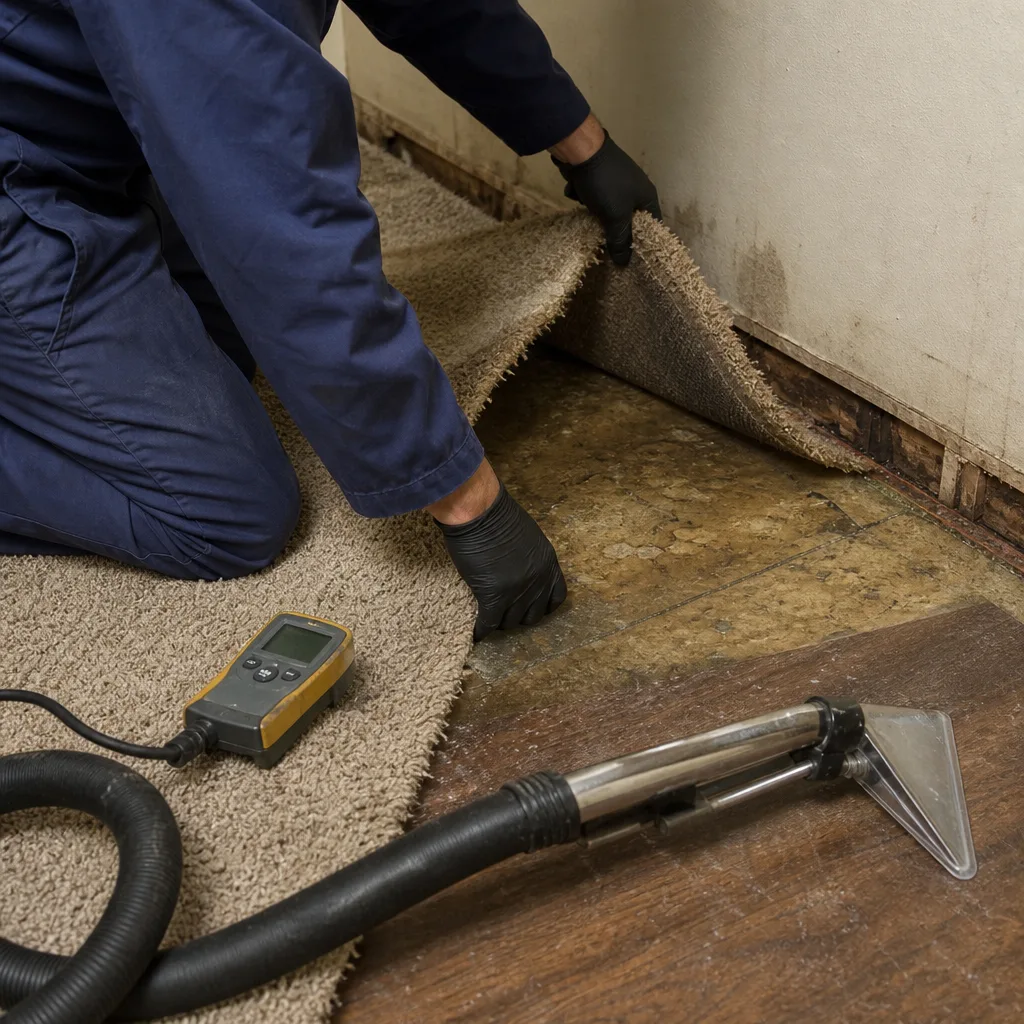
A permitted restoration project in Clark County requires a specific inspection sequence. Skipping intermediate inspections and jumping to final produces a failed inspection record that follows the property. This is not a clerical inconvenience; it is a permanent mark in the county database that appears in title searches and disclosure documents.
The standard sequence for a structural restoration project:
- Rough framing inspection: Occurs after structural elements are replaced but before insulation or wallboard is installed. The inspector verifies stud spacing, fastening, and structural connection to existing framing. In Las Vegas, this inspection also confirms compliance with wind load requirements for the region, which affect shear wall nailing patterns.
- Insulation inspection: Required before wallboard covers the cavity. The inspector verifies R-value, proper installation, and vapor barrier placement. Given Las Vegas’s extreme temperature differentials, improper insulation at this stage creates permanent energy efficiency and moisture problems.
- Wallboard inspection: Some projects require inspection of fire-rated assemblies before tape and mud. This applies to shared walls in townhomes and condos, common in the Las Vegas core and Summerlin.
- Final inspection: Occurs after all finishes are complete. The inspector verifies code compliance of all prior trades, accessible outlets, switch placement, and structural completion.
Each inspection requires scheduling through Clark County’s system, typically with 24-48 hours notice. The contractor must be present, with permits posted on site. Failed inspections require correction and re-inspection, with each attempt recorded.
The critical mistake: some contractors, pressed by homeowners or their own scheduling constraints, request a final inspection without intermediate sign-offs. The inspector arrives, sees concealed work that was never verified, and issues a failure. The record shows “Failed Final – Rough Not Inspected” or similar language. This follows the property indefinitely.
We’ve inherited projects in the southwest Las Vegas valley where prior contractors abandoned jobs after failed finals, leaving homeowners with open permits, no certificate of completion, and a property they could not legally sell. The remedy requires reopening walls, reconstructing the inspection sequence, and paying re-inspection fees. Proper sequencing from the start avoids this entirely.
Our documentation protocol includes scanning every inspection card at each stage, with dates and inspector names recorded in the job file. These become part of the deliverable package the homeowner retains.
How to Document That Permitted Work Was Completed and Inspected
Documentation is where restoration work becomes a recoverable insurance asset or a salable property feature. Without it, permitted work is merely rumored. With it, the work is provable, transferable, and defensible.
The complete documentation package for a permitted restoration project includes:
- The permit application and approved plans: Retain the original or a certified copy. These show the scope as approved by Clark County, which protects against later claims that work exceeded authorization.
- Inspection cards with all sign-offs: The physical or digital record showing rough, insulation, wallboard (if required), and final inspections passed. Each card should include the inspector’s signature or digital approval, date, and permit number.
- The Certificate of Completion or Occupancy: Issued after final inspection approval. This is the document that closes the permit and removes the property from the county’s open-permit tracking.
- Contractor invoices and payment records: These establish the work was performed by licensed parties and paid for, which matters for warranty claims and tax purposes.
- Photo documentation of work in progress: We produce room-by-room photo records at each phase, stored with moisture readings and drying logs. This creates a visual timeline that supports the inspection record.
Where to store these documents: not in a file that will be lost in a move. We recommend three locations:
- Cloud storage with property address in filename: A dedicated folder named “1234 Desert Inn Road – Restoration 2024” in your primary cloud account, shared with your insurance agent.
- Physical file with home records: The same folder containing your deed, insurance policies, and major appliance manuals. Include a note directing future owners to the digital backup.
- Insurance agent’s file: Provide copies to the agent who handles your homeowner’s policy. They can reference this during future claims, reducing dispute time.
In our 12,000+ restorations since 2011, the jobs with complete documentation packages resolve insurance disputes faster and sell without title complications. The jobs with missing permits or incomplete inspection records become the ones we are called back to fix, often years later, at greater cost than proper documentation would have required.
At Fire & Smoke Damage Restoration in Las Vegas, where reconstruction scope is typically largest, our project managers manage the entire permit and inspection sequence as part of the standard workflow. The homeowner receives the complete package at project closeout, with a written index of every document and its location.
How Unpermitted Work Can Void Insurance Coverage
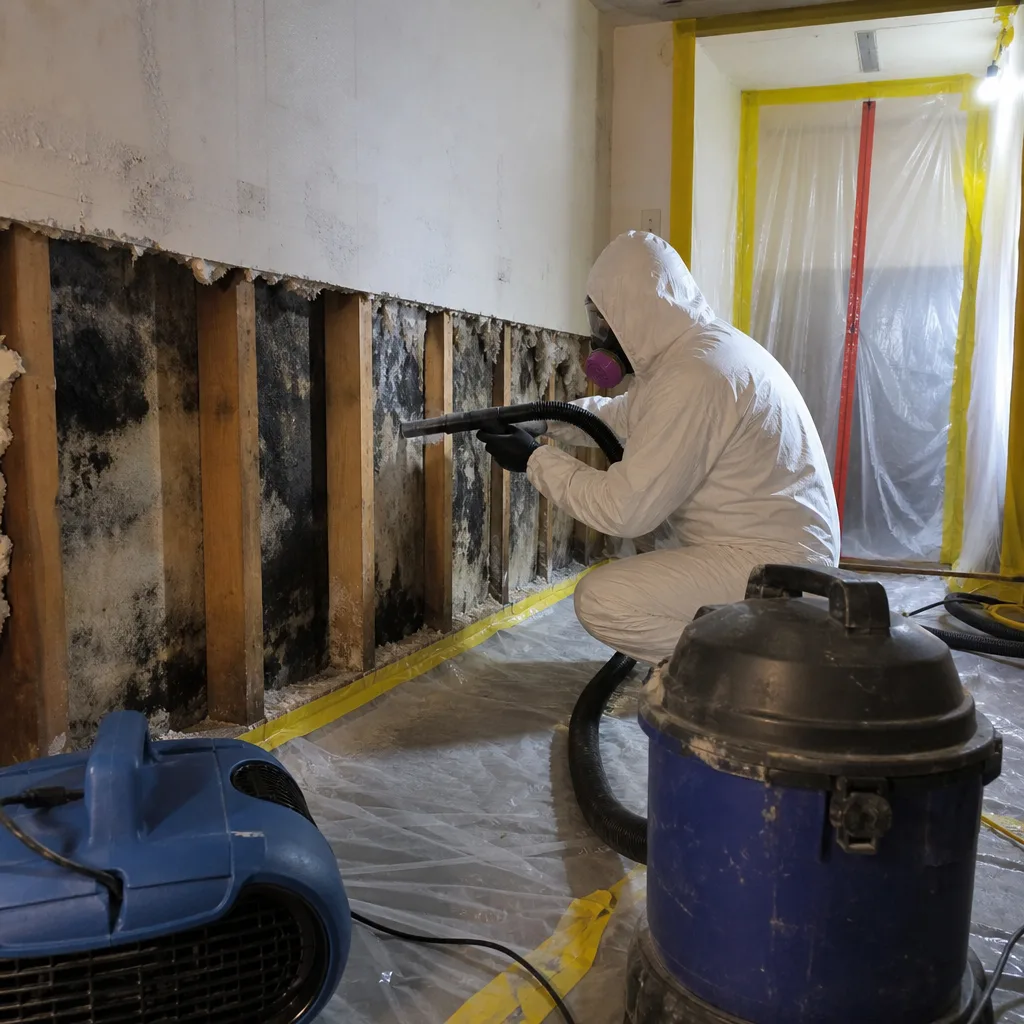
This is the risk most Las Vegas homeowners do not discover until it is too late. Insurance policies contain provisions that limit or exclude coverage for damage arising from, or located in areas affected by, work that was not performed to code or without required permits. The mechanism varies by policy, but the effect is consistent: unpermitted restoration creates a coverage gap.
How this plays out in practice:
A homeowner has a water loss in 2019. A contractor replaces subflooring and rebuilds a bathroom wall without pulling the required permit. In 2024, a second water loss affects the same area. The adjuster reviews the claim, discovers the unpermitted 2019 work, and denies coverage for the affected bathroom, citing the policy’s ordinance or law exclusion. The homeowner must pay for mitigation and reconstruction out of pocket, or litigate.
Alternatively, the homeowner lists the property in 2025. The buyer’s inspection reveals unpermitted bathroom work. The buyer demands permit clearance or a price reduction. The seller contacts their prior insurer, who notes the unpermitted work and declines any coverage for the correction, as the policy period has ended and the condition was known or should have been known.
The critical point: the original contractor may be long gone, unlicensed, or judgment-proof. Nevada’s statute of limitations on construction defects is complex, and recovery against absent contractors is often theoretical. The liability rests with the property owner under Clark County code.
Our documentation-first approach exists precisely to prevent this scenario. Haven Standard, Clause 1 requires a written price before work begins, which includes explicit identification of permit requirements. Our scopes specify which permits will be pulled, by whom, and at what cost. The photo record on every visit documents code-compliant work. The final deliverable includes inspection certificates.
For homeowners with existing unpermitted work, we offer a Free Second Opinion on any written estimate, including assessments of whether prior work was properly permitted. Bring a competitor’s quote or a disclosure concern, and we will review the permit status and documentation gaps at no charge.
Common Mistakes to Avoid
- Assuming the contractor handles all permits: In Nevada, the property owner is ultimately responsible for code compliance. Verify permit status independently; do not rely on verbal assurances. Ask for the permit number and confirm it in the county system.
- Accepting “permit not required” without written justification: A contractor who declines to pull a permit should provide a written explanation citing the specific Clark County code section that exempts the work. Generic claims of exemption are suspect.
- Skipping the permit history search before buying: Las Vegas’s fast market pressures buyers to waive inspections. A 30-minute permit search can reveal thousands in hidden liability. We recommend this search for every purchase, especially homes built 1995-2010 with original plumbing.
- Completing DIY repairs after professional mitigation: Homeowners sometimes hire us for water extraction and drying, then complete wall reconstruction themselves without permits. The mitigation is documented; the reconstruction is not, creating the same coverage gap.
- Discarding inspection cards after “final” approval: Retain all documentation for the property’s lifetime. Digital storage is free; replacement documentation from Clark County is not, and may be impossible for older projects.
- Hiring mold remediation without verifying C-3c licensure: This is the most common licensing violation we encounter. The NSCB search takes two minutes and prevents permanent coverage problems.
- Failing to disclose unpermitted work to your insurer: If you discover unpermitted work, disclose it before the next claim. Concealment can void the entire policy, not just the affected area, under Nevada’s insurance fraud statutes.
When to Call a Professional
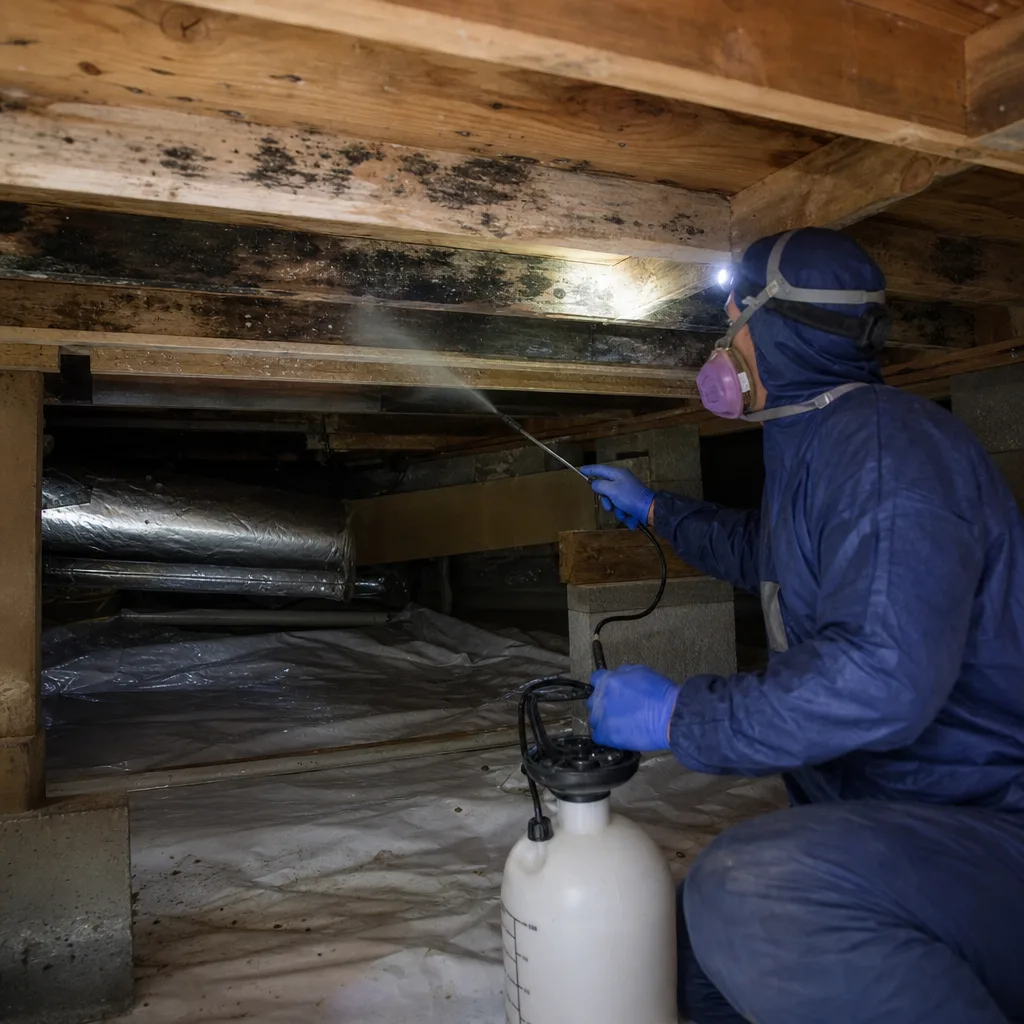
Call a licensed restoration professional when your damage involves structural materials, electrical systems, HVAC components, or any wall assembly where the repair scope is unclear. If you are weighing DIY vs professional damage restoration, the permit determination alone usually justifies expert involvement. The permit determination is technical; guessing wrong creates liability that outlasts the repair.
Specific scenarios requiring immediate professional assessment: water intrusion that has reached wall cavities or subflooring; fire damage with any structural involvement; mold growth exceeding 10 square feet; sewage backup affecting wall bases; or any situation where a prior restoration may have been completed without permits.
DryMark Restoration Las Vegas offers free estimates in Las Vegas. Our assessments include permit requirement identification, license verification of all proposed trades, and a written scope with pricing before any work begins, per Haven Standard, Clause 1. Call (702) 483-7932 to schedule. Live person answers every call, 24 hours a day, 7 days a week.
Frequently Asked Questions
Permit fees vary by project value and type, with residential building permits starting at approximately $100-$200 for minor repairs and scaling with project valuation. Electrical, mechanical, and plumbing permits are additional. The contractor typically includes permit costs in the project estimate. At DryMark Restoration Las Vegas, permit fees are itemized in our written scope before work begins, per Haven Standard, Clause 1. Call (702) 483-7932 for an exact quote on your specific project.
Most standard homeowner policies include limited “ordinance or law” coverage that may pay for permits required to restore the property to current code after a covered loss. Coverage limits vary, typically 10-25% of the dwelling coverage. The key is demonstrating that the permit was required for the restoration, not for pre-existing code deficiencies. We document this distinction in our written scopes and photo records, and coordinate directly with adjusters to justify permit inclusion. Call (702) 483-7932 to discuss your specific policy provisions.
Clark County typically issues permits for straightforward restoration projects within 3-5 business days for online applications, or same-day for over-the-counter review of minor projects. Inspection scheduling requires 24-48 hours advance notice. The full sequence, from permit pull through final inspection, typically adds 7-14 days to a restoration timeline. We do not recommend skipping this sequence to save time; the permanent record of failed or missed inspections costs far more than the delay. For emergency mitigation, we begin water extraction and drying immediately while permits are processed for reconstruction.
If the drywall replacement is part of a wall assembly reconstruction exceeding 50% of the room’s linear footage, yes. If you are patching a single small area, typically under 4 feet by 8 feet, and not replacing insulation or structural components, likely no. The determination depends on linear footage, structural involvement, and whether electrical or plumbing was affected. We assess this during our free estimate and document our determination in writing. When in doubt, we recommend a 10-minute call to Clark County’s Building Department for authoritative guidance.
At DryMark Restoration Las Vegas, our project managers coordinate directly with your insurance adjuster on permit justification, documentation, and cost inclusion. We provide adjusters with the written scope, permit applications, inspection schedules, and final certificates as standard deliverables. Our documentation protocol, developed from founder Alicia Brennan’s background as a claims adjuster, anticipates the documentation adjusters need to approve permit costs without dispute. You are copied on all communications but not burdened with coordination.
Contact Clark County’s Building Department to discuss retroactive permitting, which typically requires exposing work for inspector verification. Simultaneously, disclose the finding to your current insurer before any new claim arises. If you are preparing to sell, resolve the open permit status before listing, as Nevada disclosure requirements mandate permit status disclosure. We offer Free Second Opinions on documentation and permit status concerns, including assessments of prior work performed by others. Call (702) 483-7932 to schedule a review.
The Bottom Line
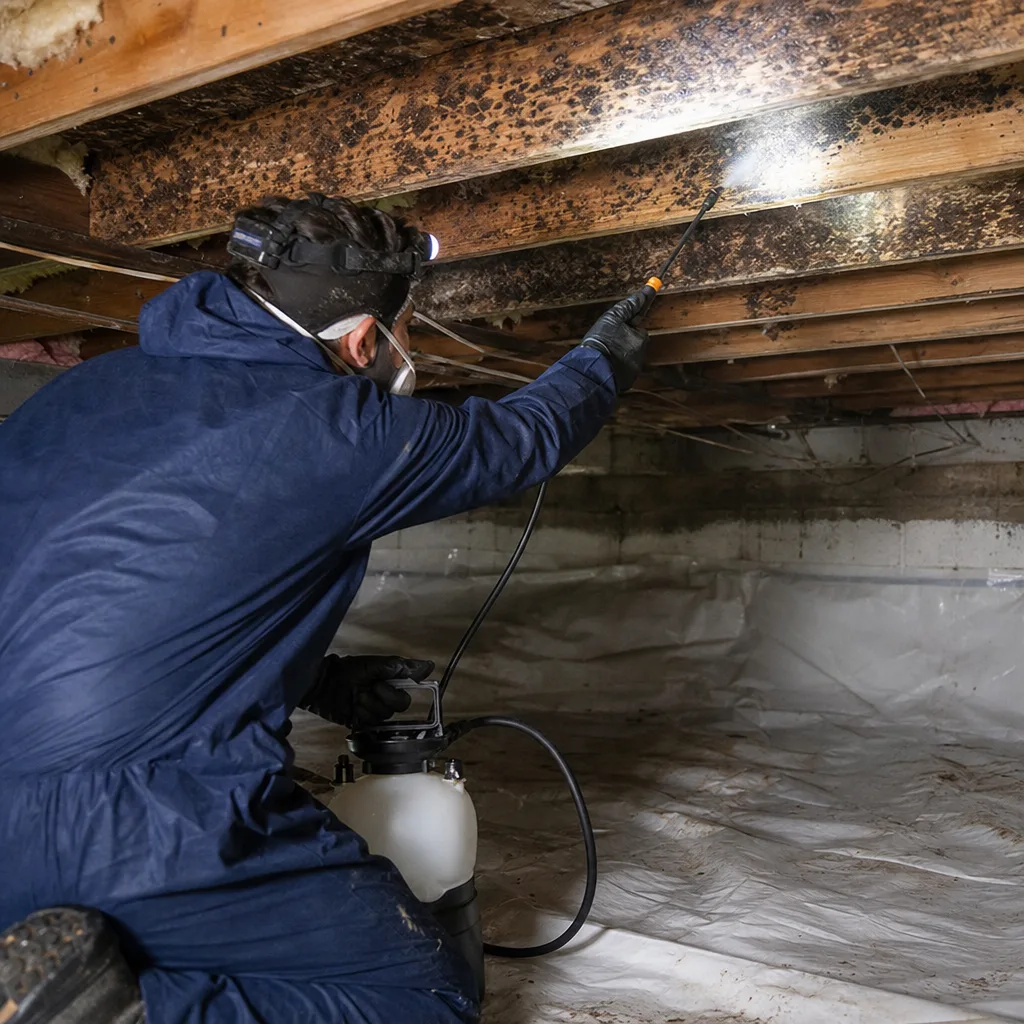
Permits and inspections are not bureaucratic obstacles; they are the documentation that transforms restoration work from a private transaction into a transferable, insurable asset. In Las Vegas’s climate of extreme heat, sudden monsoons, and rapid property turnover, properly permitted work protects against the two scenarios where unpermitted work destroys value: the next insurance claim and the next property sale. The homeowner who verifies permit requirements, confirms contractor licensure, and retains complete documentation avoids the 847 stop-work orders and the uncovered losses that follow. Explore our more guides & resources to protect your property at every stage. The cost of proper permitting is modest. The cost of its absence is unpredictable and often unrecoverable.
Written by Alicia Brennan, Owner at DryMark Restoration Las Vegas, serving Las Vegas since 2011.