
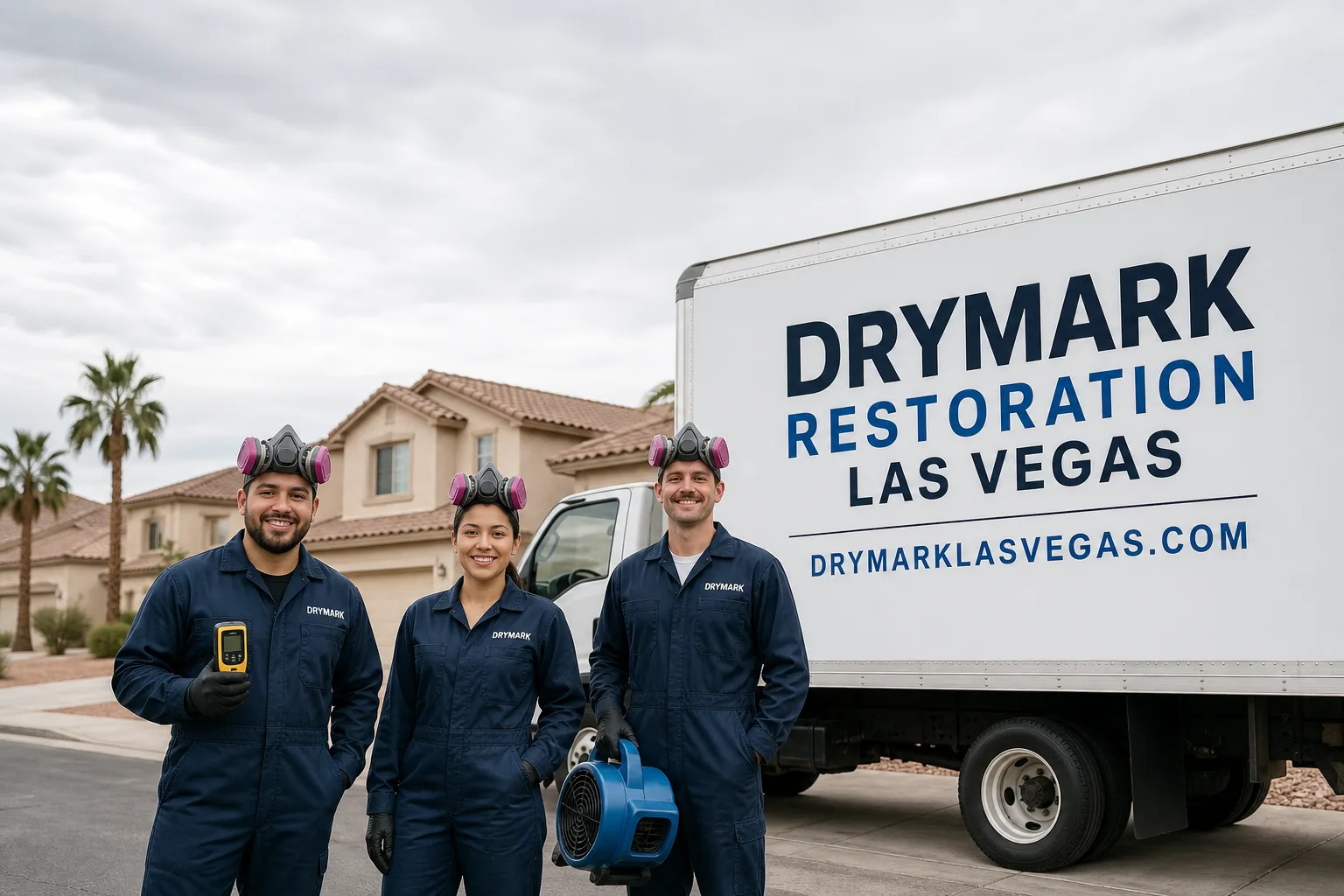
Free visual inspection and a written scope of work before any mitigation begins - photos, moisture readings, and drying logs go in your claim file
The scope we write is the scope we bill. Anything new gets shown to you, in writing, before we touch it.
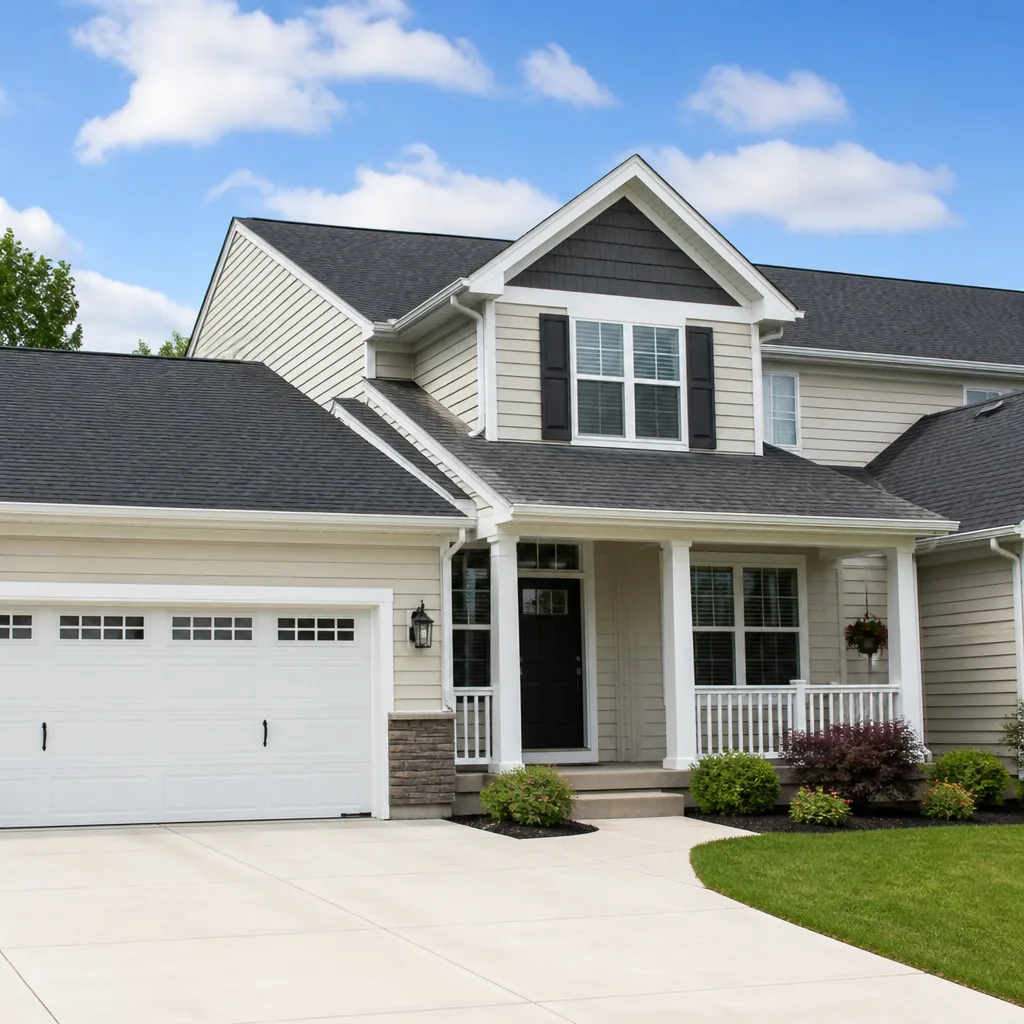
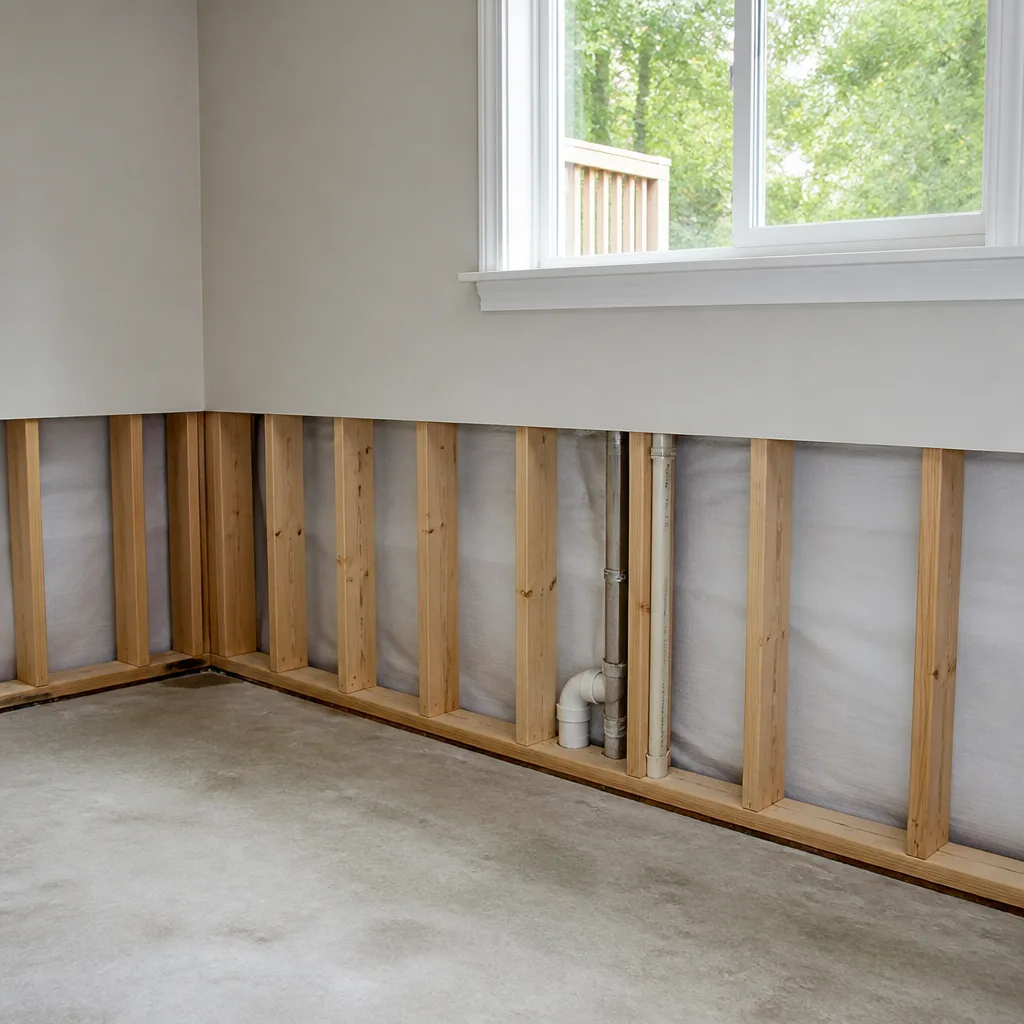
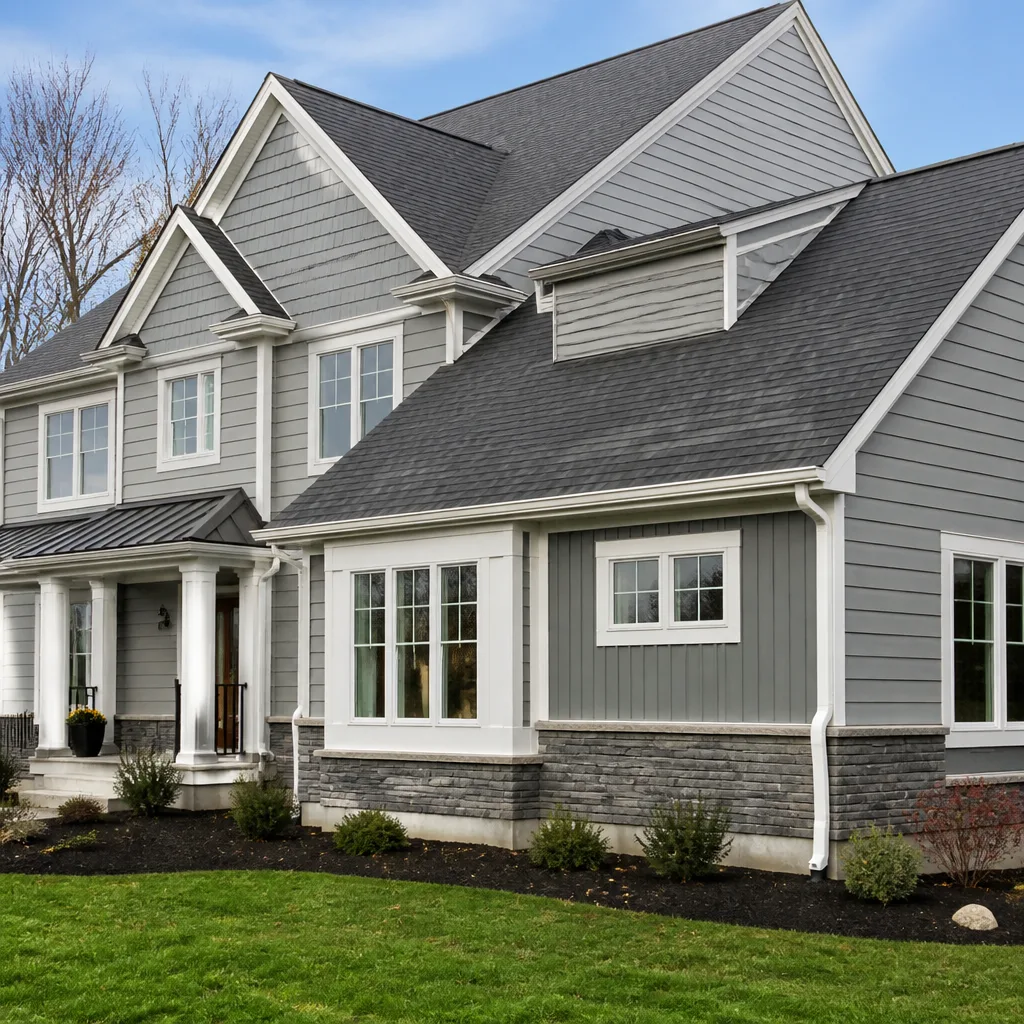
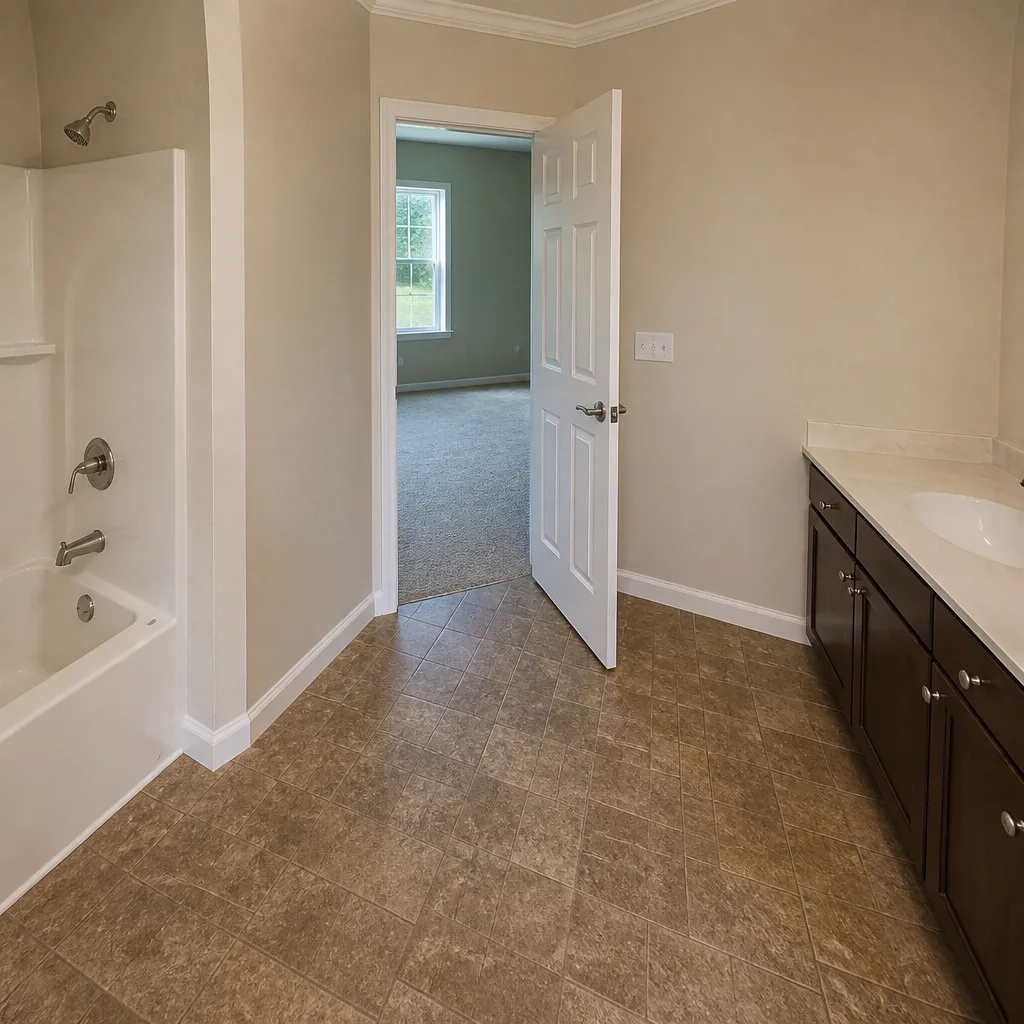
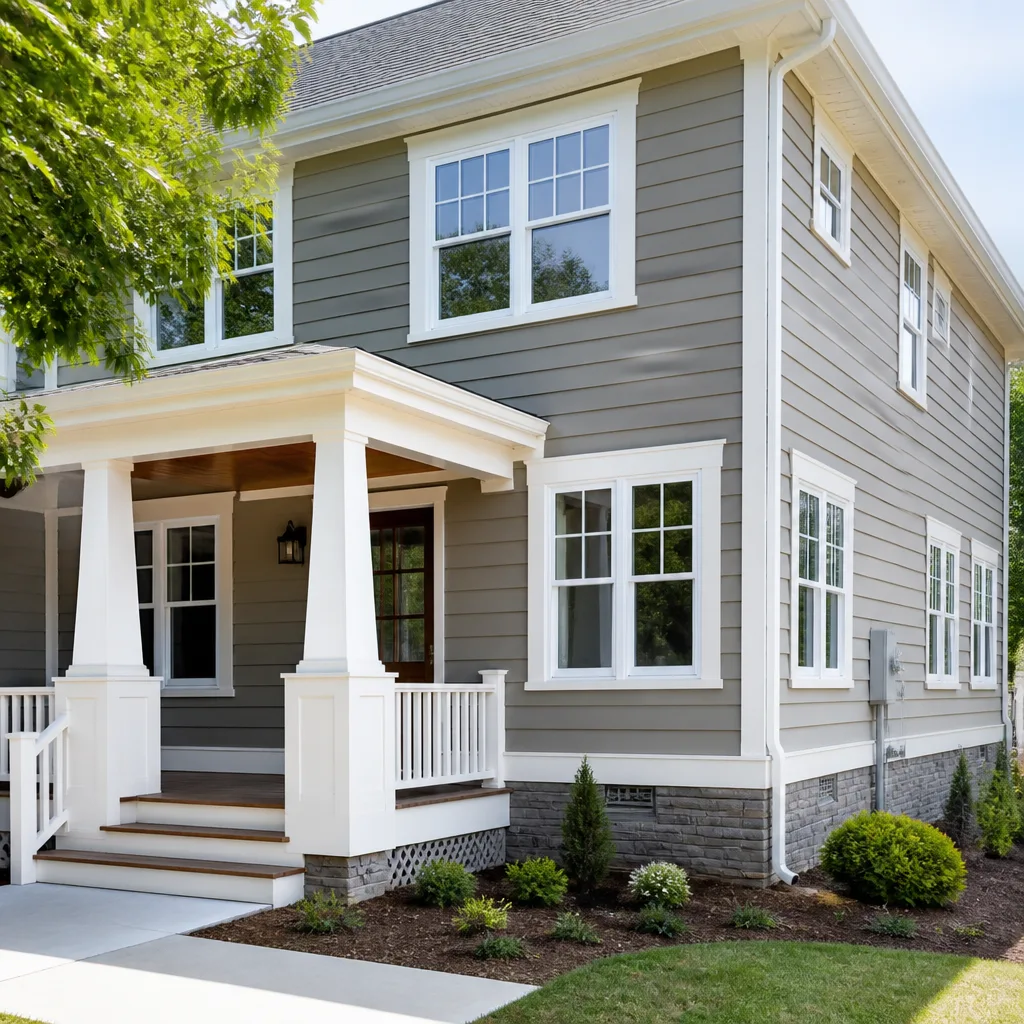
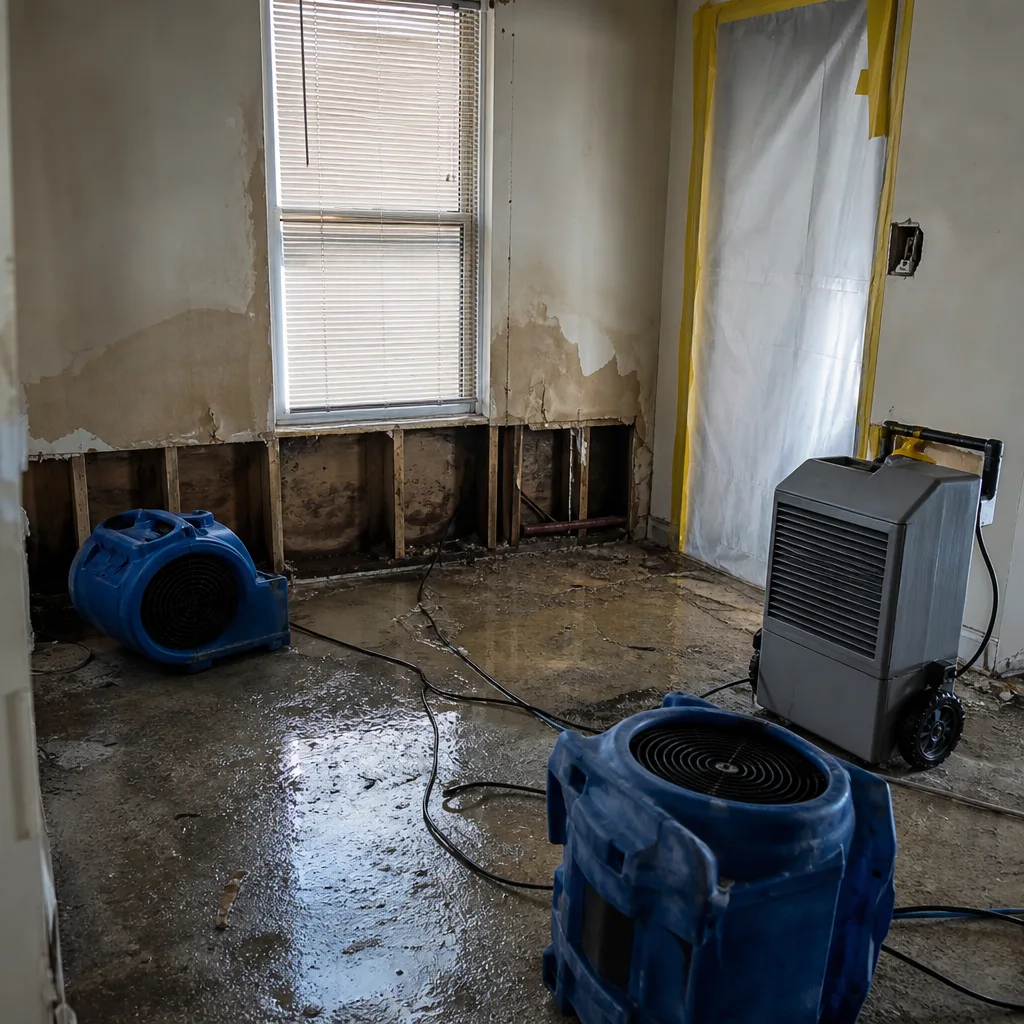 Before
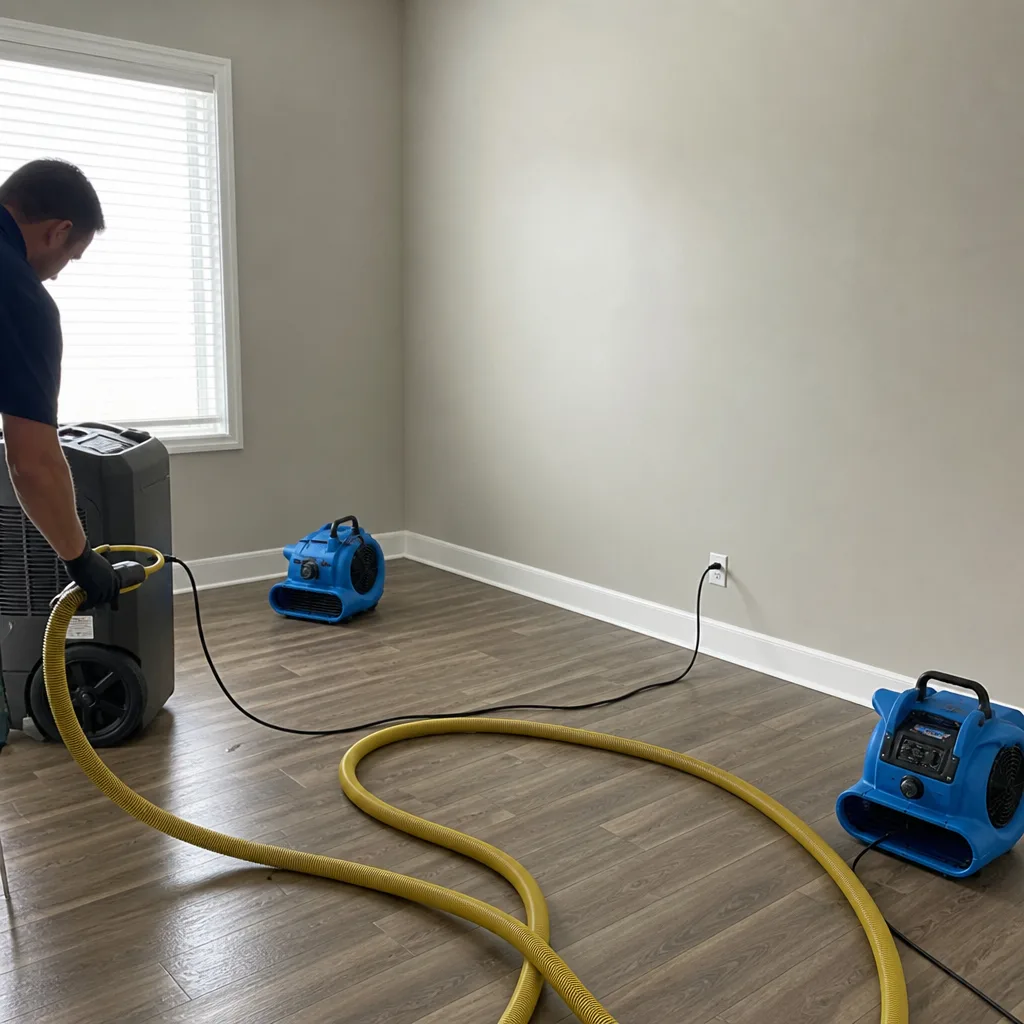 After
After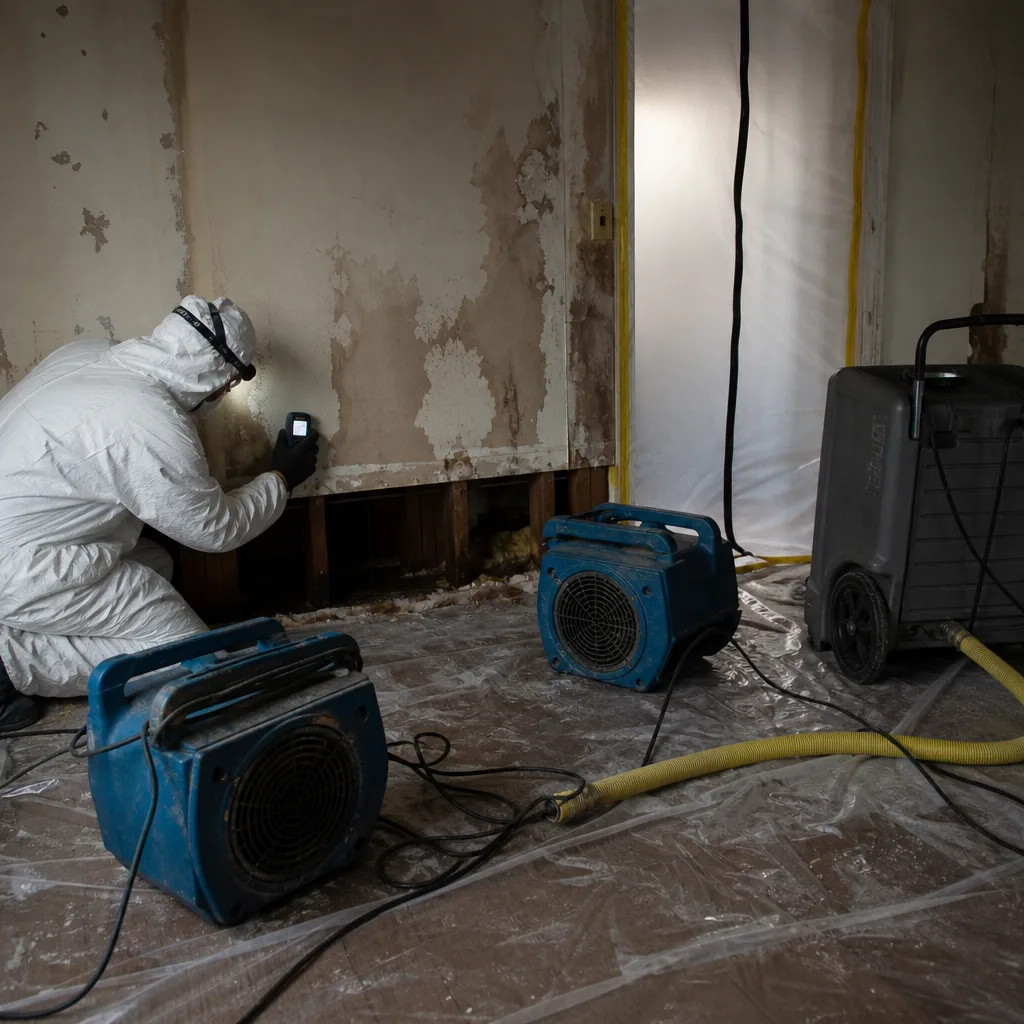 Before
 After
After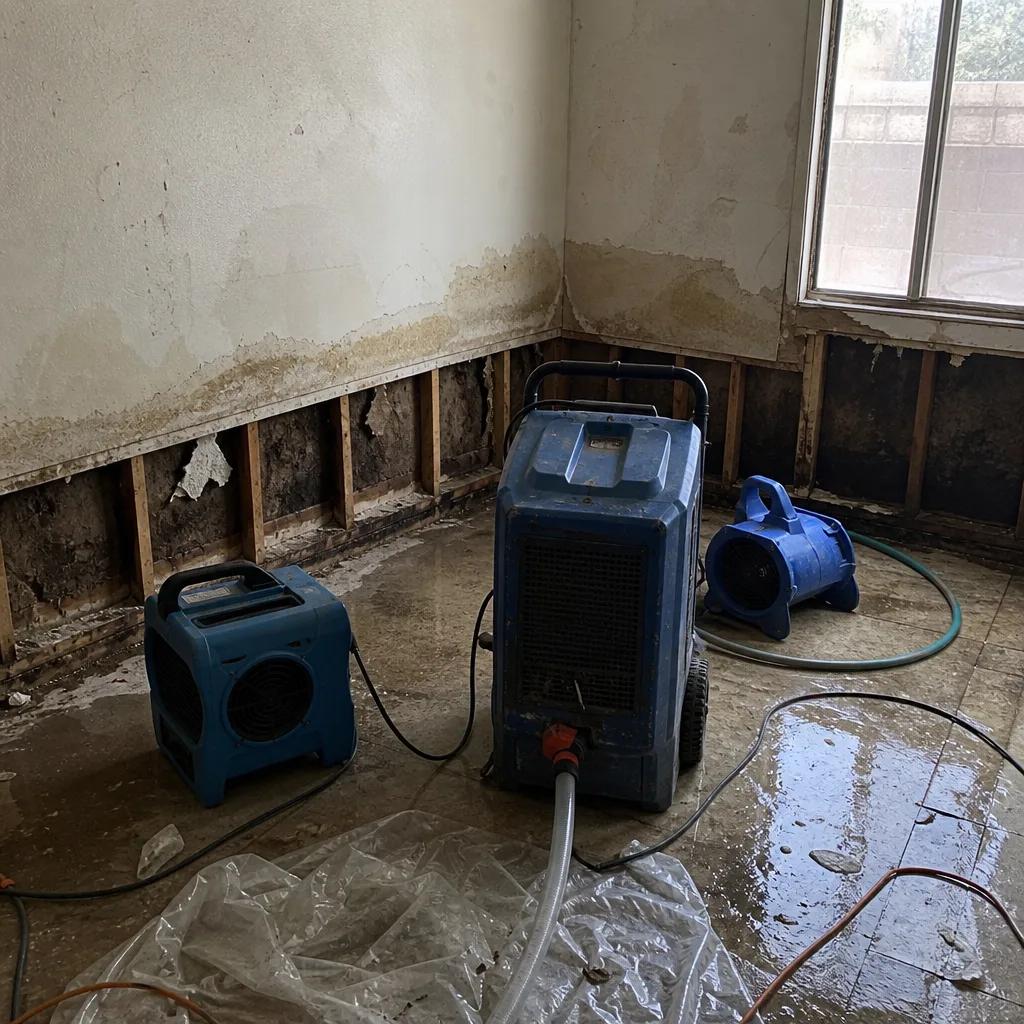 Before
 After
AfterFast, Reliable Mold Remediation Across Centennial Hills
Mold remediation in Centennial Hills typically costs $1,800-$4,500 for contained residential jobs and $5,000-$12,000+ when stucco removal and cavity drying are required. Most of our Mold Remediation inspections in Centennial Hills are scheduled same-day or next-day, with emergency containment available when visible mold or post-flood moisture readings demand immediate action. Call (702) 483-7932 for a written estimate before any work begins.
We know Centennial Hills because we’ve restored homes here since the neighborhood’s original 2001-2008 buildouts started failing. The Providence master-planned community, the Tule Springs tract homes near Durango Drive, the Skye Canyon transition zone - our crews have documented mold patterns in all of them. This isn’t generic Las Vegas service with a zip code swapped in. Centennial Hills is a single-generation housing tract, and that fact changes everything about how mold behaves here, how it hides, and how it must be remediated.
Why DryMark Restoration Las Vegas Is Centennial Hills’s Preferred Mold Remediation Company
Our reputation in Centennial Hills was built on documentation that survives adjuster review. Every job gets a written price before work starts - Haven Standard, Clause 1 - plus a photo record on every visit, daily moisture logs with psychrometric data (temperature, relative humidity, and vapor pressure differential, which is the force that drives moisture through walls), and a 365-Day Done Right Promise stamped under The Haven Standard. We’ve restored over 12,000 homes since 2011, every one with that same documentation package.
Homeowners in Providence and Aliante specifically mention our response to Sheep Range runoff events in reviews - the calls that come in at 6 a.m. when a homeowner finds their garage slab wet despite clear skies on their street. Our dispatch is coordinated from our Las Vegas office, but crews serving Centennial Hills live in the northwest valley and know the local drainage patterns without checking a map.
Live person answers every call, 24 hours a day, 7 days a week. No voicemail trees. No next-business-day callback while mold continues amplifying inside your wall cavity.
Our Mold Remediation Services in Centennial Hills
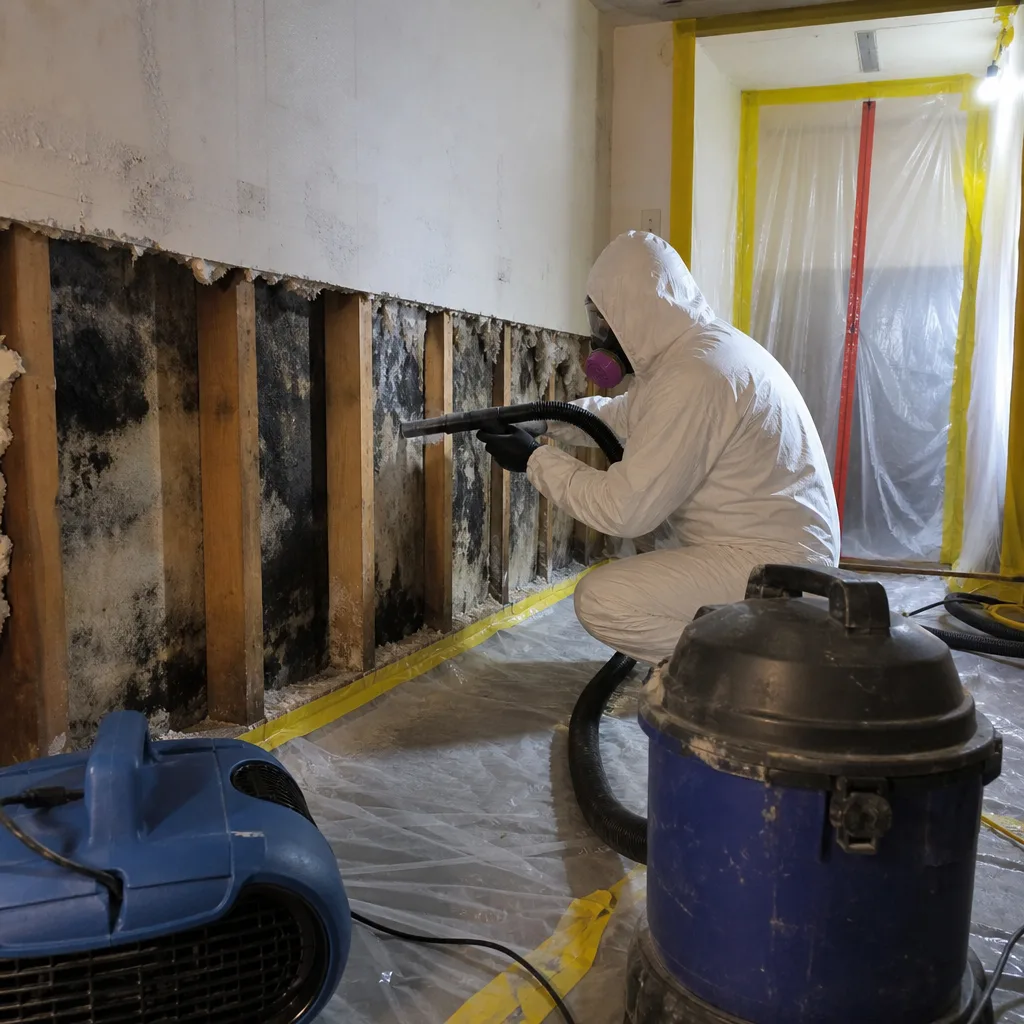
Mold Inspection & Testing
A proper mold inspection in Centennial Hills starts with understanding that this housing stock was built fast, with inconsistent waterproofing at parapet walls and roof-to-stucco transitions. We don’t just look for visible mold. We moisture-map wall cavities with thermal imaging, take humidity readings in suspect areas, and collect air and surface samples when lab analysis is needed to identify species and establish baseline spore counts. Our Centennial Hills inspections specifically include garage slabs and lower-entry thresholds - the exact points where Sheep Range runoff enters, often without any local rainfall. The inspection report includes documented photos, moisture readings by location, and a written scope with a fixed price before any remediation begins.
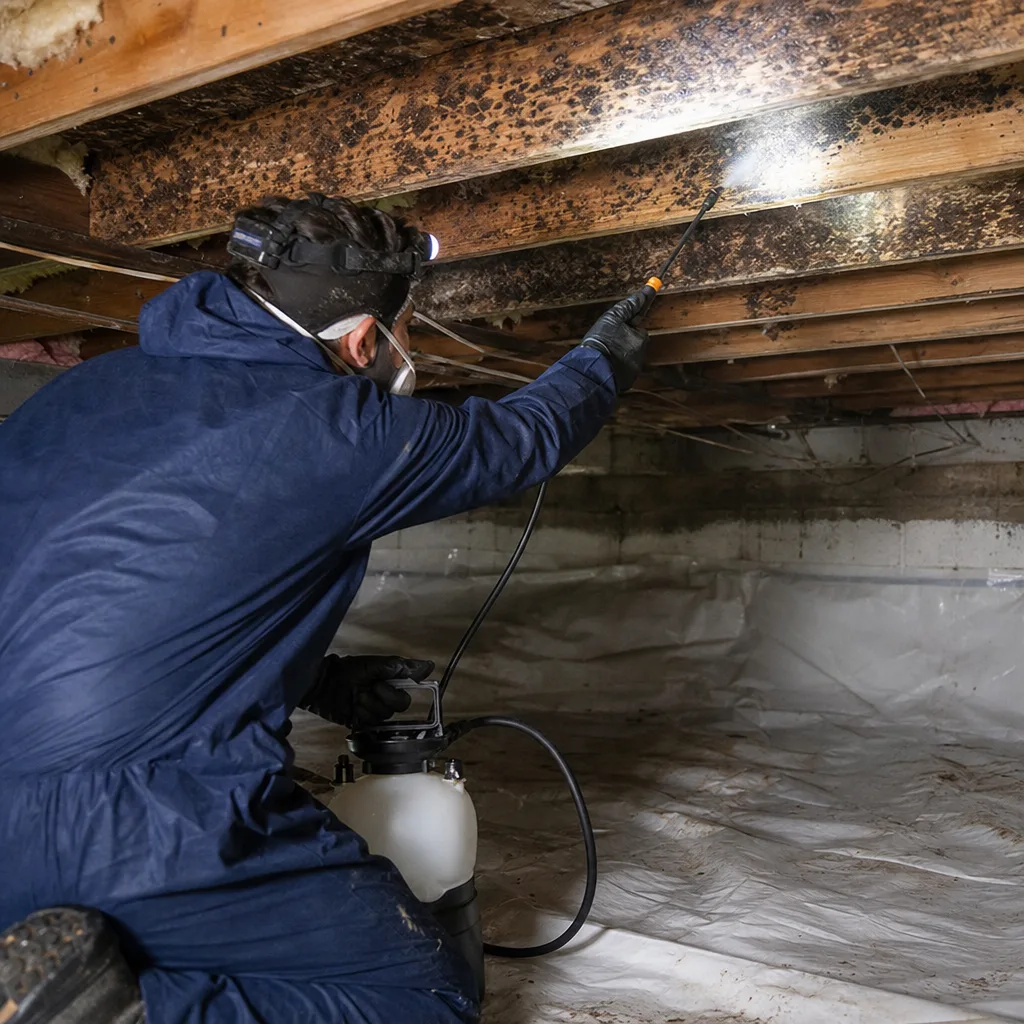
Mold Removal
Mold removal in Centennial Hills frequently requires controlled demolition of stucco and drywall because builder-grade detailing trapped water inside cavities that dried only on the surface. We establish containment barriers, run HEPA-negative air scrubbers to prevent cross-contamination, and remove contaminated materials by the IICRC S520 standard. In Centennial Hills’s slab-on-grade construction, we pay particular attention to bottom plates and studs in garage walls - the first materials to wick moisture from slab intrusion. Every removal phase is photo-documented, with waste manifests for materials disposed of as regulated debris.
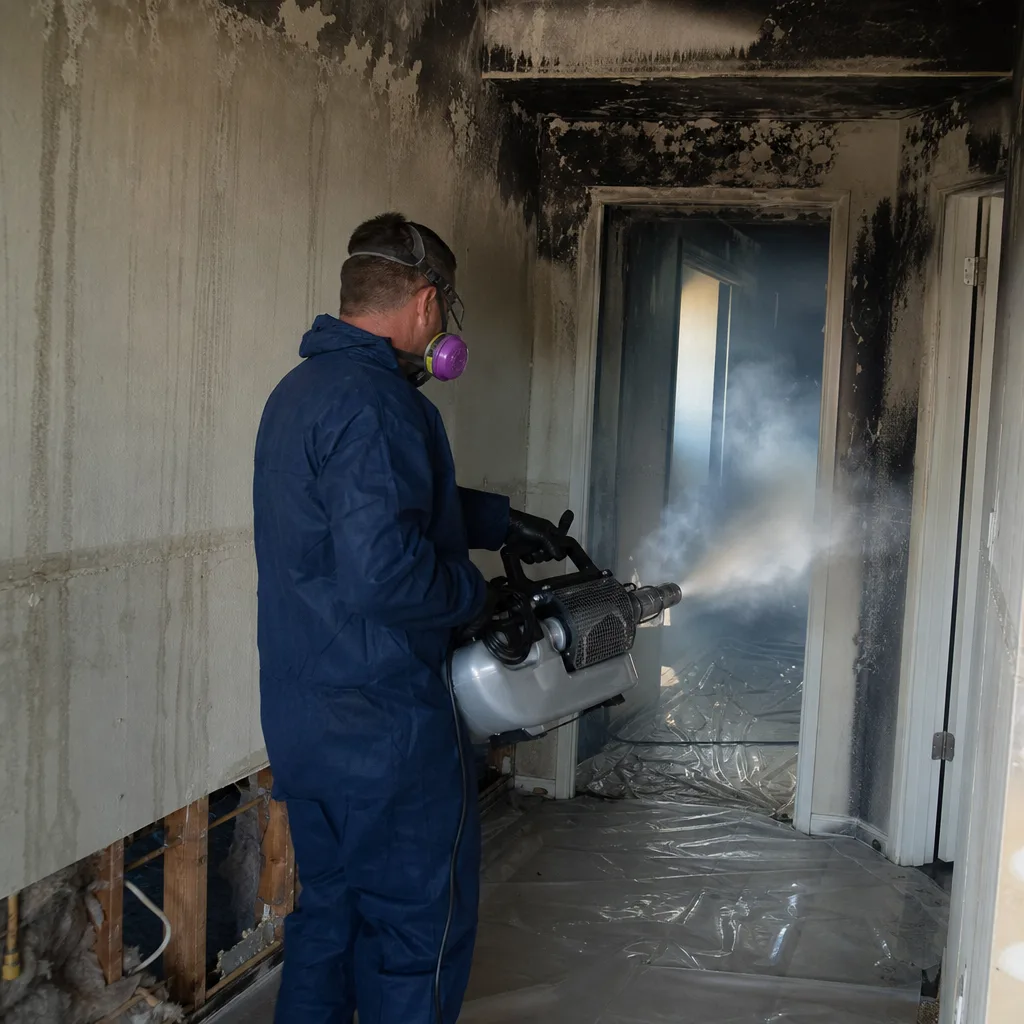
Black Mold Remediation
Stachybotrys and other toxigenic molds in Centennial Hills almost always trace back to chronic moisture, not single events. The combination of hard municipal water corroding original fittings and monsoon-driven cavity wetting creates exactly the sustained humidity black mold requires. Our black mold remediation includes full containment, PPE protocols for technicians, and post-remediation verification testing to confirm clearance before reconstruction. We don’t close walls back up based on visual inspection alone - clearance sampling is standard on every black mold job, documented in your file.
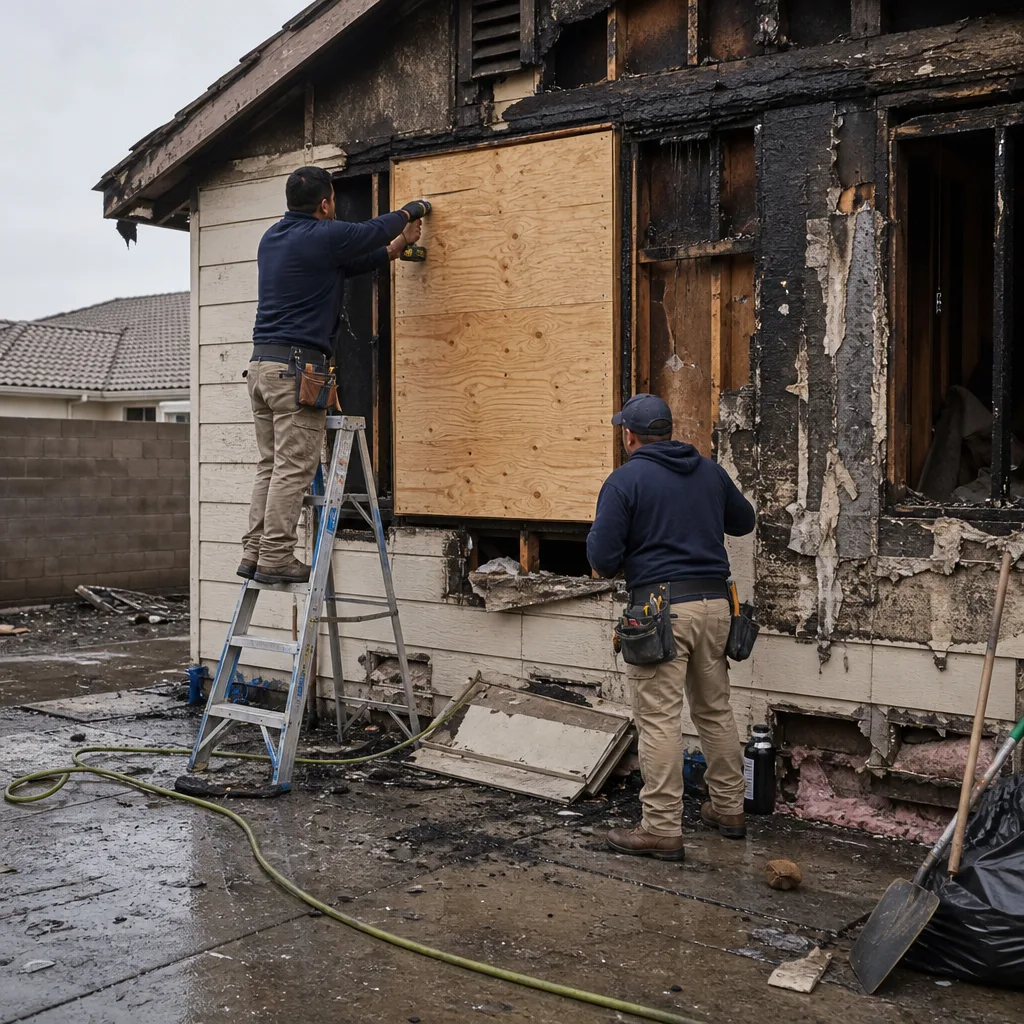
Air Quality Restoration
Air quality restoration in Centennial Hills addresses what you can’t see: elevated spore counts from hidden cavity mold, volatile organic compounds from prior water damage, and particulate from deteriorating builder-grade materials. We deploy HEPA filtration, activated carbon scrubbing when VOCs are present, and balanced ventilation to restore pre-loss air quality metrics. This service is particularly relevant in Centennial Hills’s tight, energy-efficient 2000s construction, where HVAC systems recirculate contaminants rather than dilute them. Post-restoration air testing confirms particle counts and spore levels by room.
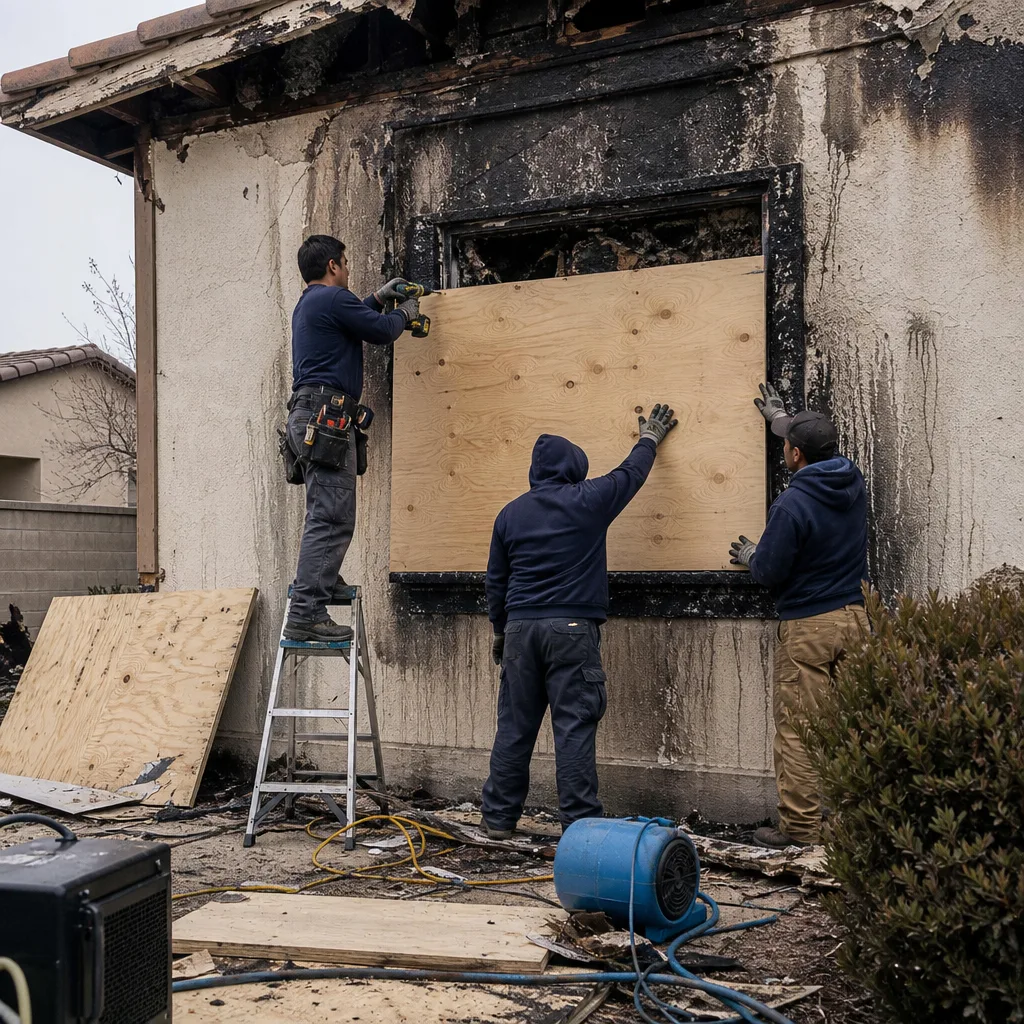
Moisture & Humidity Control
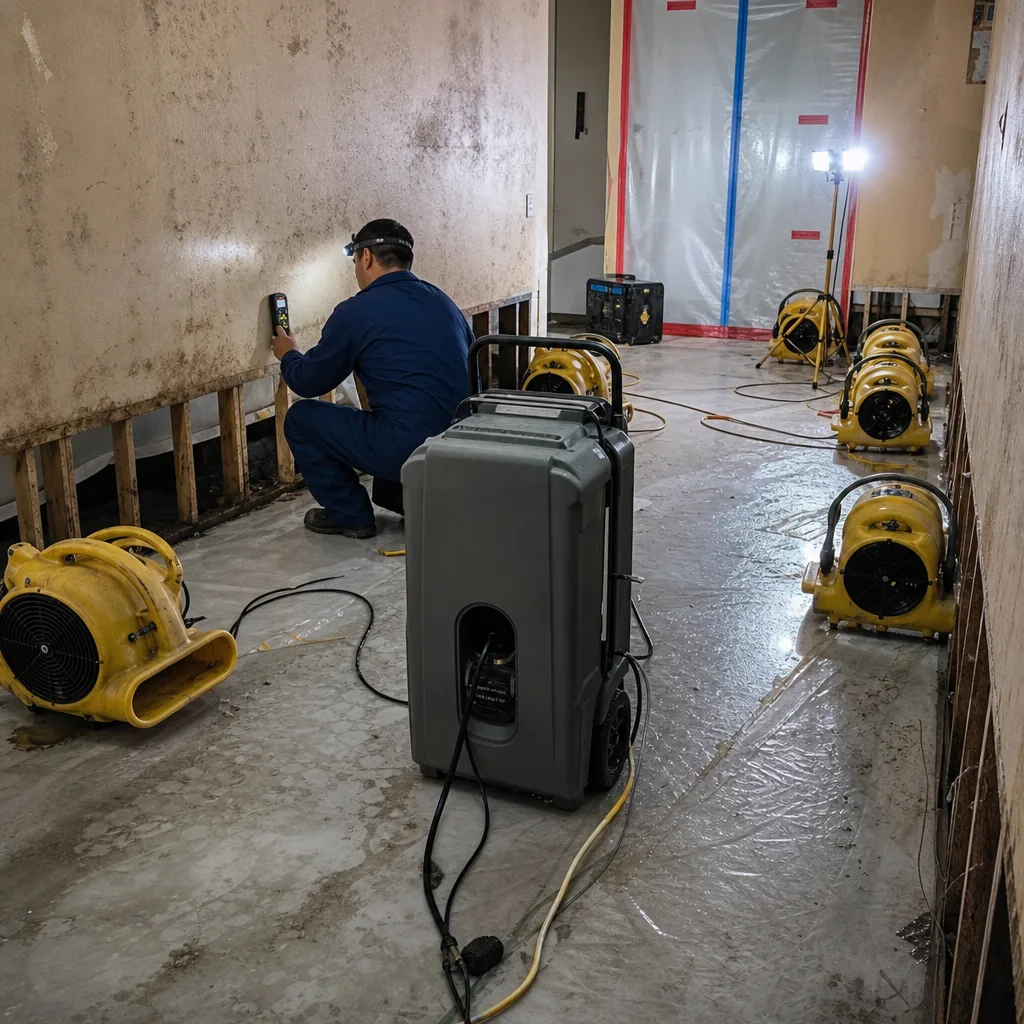
Centennial Hills’s extreme desert aridity is deceptive. Surface materials dry within hours after a flood, but wall cavities and sub-slab spaces retain moisture for weeks - the exact conditions that fuel mold growth invisible to homeowners. Our moisture and humidity control service uses Dri-Eaz and Phoenix dehumidification systems, Injectidry cavity-drying equipment, and daily psychrometric logging to prove materials have returned to pre-loss moisture content. We don’t guess. We measure, log, and document until the numbers match.
What happens when you call
- 1
A real person answersNo phone trees - you reach a local pro.
- 2
You get an upfront price rangeHonest numbers before anyone is dispatched.
- 3
A background-checked tech heads outLicensed & insured, dispatched right away.
- 4
You approve before work beginsNothing starts until you say go.
BeforeAfterTrusted Brands We Service in Centennial Hills
Our equipment fleet includes professional-grade drying and remediation systems from Dri-Eaz, Phoenix, and Injectidry - brands specified in IICRC and RIA documentation standards because their output is measurable, loggable, and defensible to insurers. Injectidry’s panel and mat systems are particularly valuable in Centennial Hills, where cavity drying behind stucco requires directed airflow without full demolition. We stock HEPA filtration media and dehumidifier components locally, so equipment stays running through multi-day drying phases without parts delays. Every machine’s output is logged daily and included in your file.
Common Mold Remediation Problems We See in Centennial Hills Homes
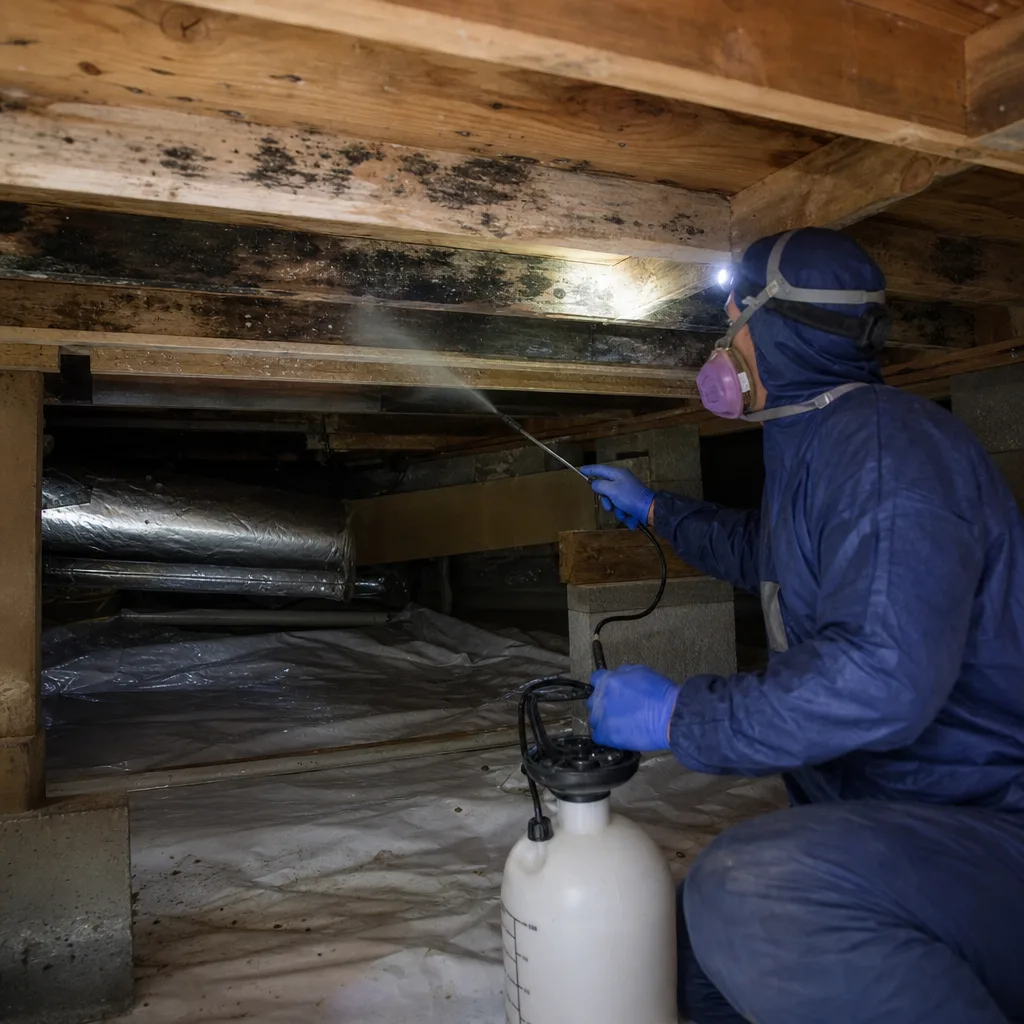
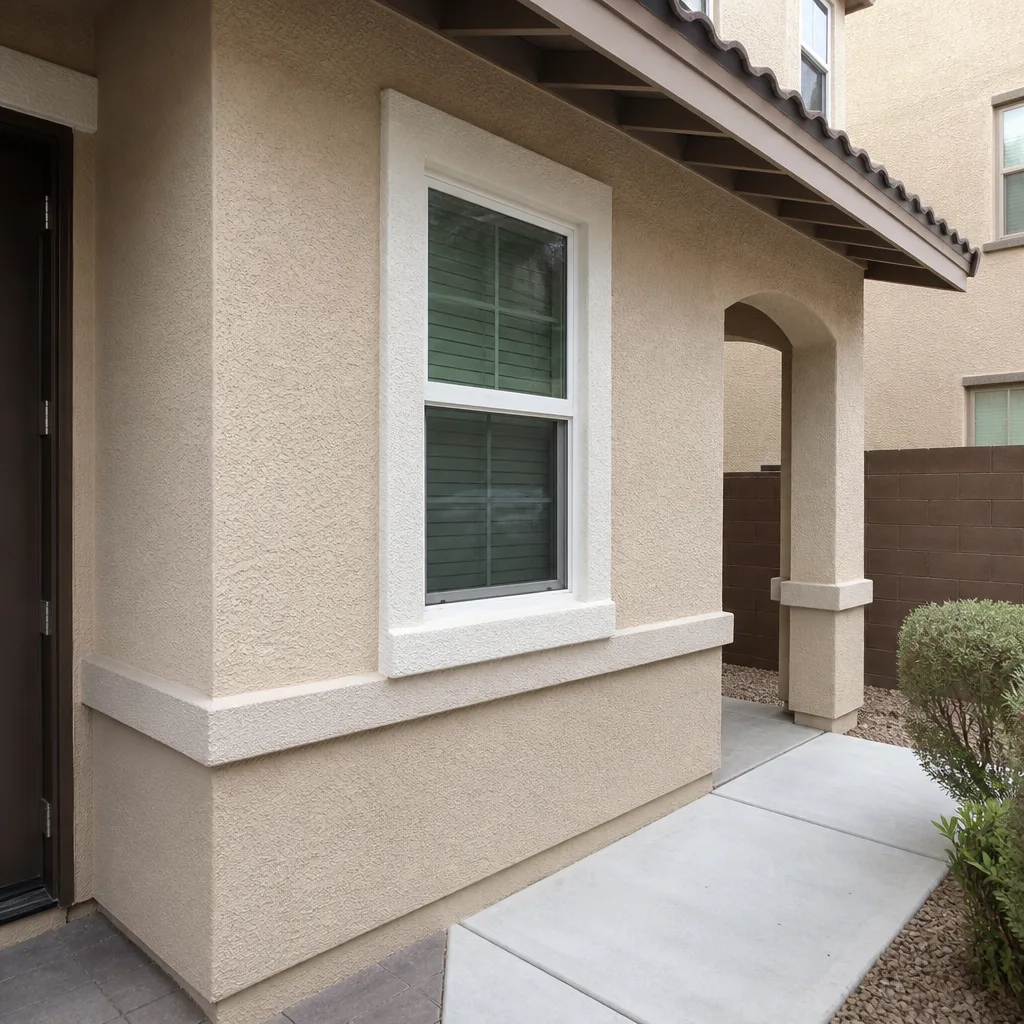
- Surface-dry, cavity-wet stucco walls. Builder-grade roof-to-stucco transitions in Centennial Hills’s 2001-2008 homes trap monsoon water inside wall cavities, but the desert air dries the exterior within hours. Homeowners see dry stucco and assume the problem is solved; mold continues amplifying on the wet sheathing inside. We moisture-map every suspected wall, not just the visible surfaces.
- Simultaneous plumbing failures across entire streets. Original water heaters and polybutylene-adjacent supply lines in this single-generation housing stock are failing now, all at once. A neighbor’s burst line often means your identical installation is next. We verify water category on every job - Category 1 clean water, Category 2 gray water, or Category 3 black water - because the remediation protocol changes completely, and some Centennial Hills crews skip this step.
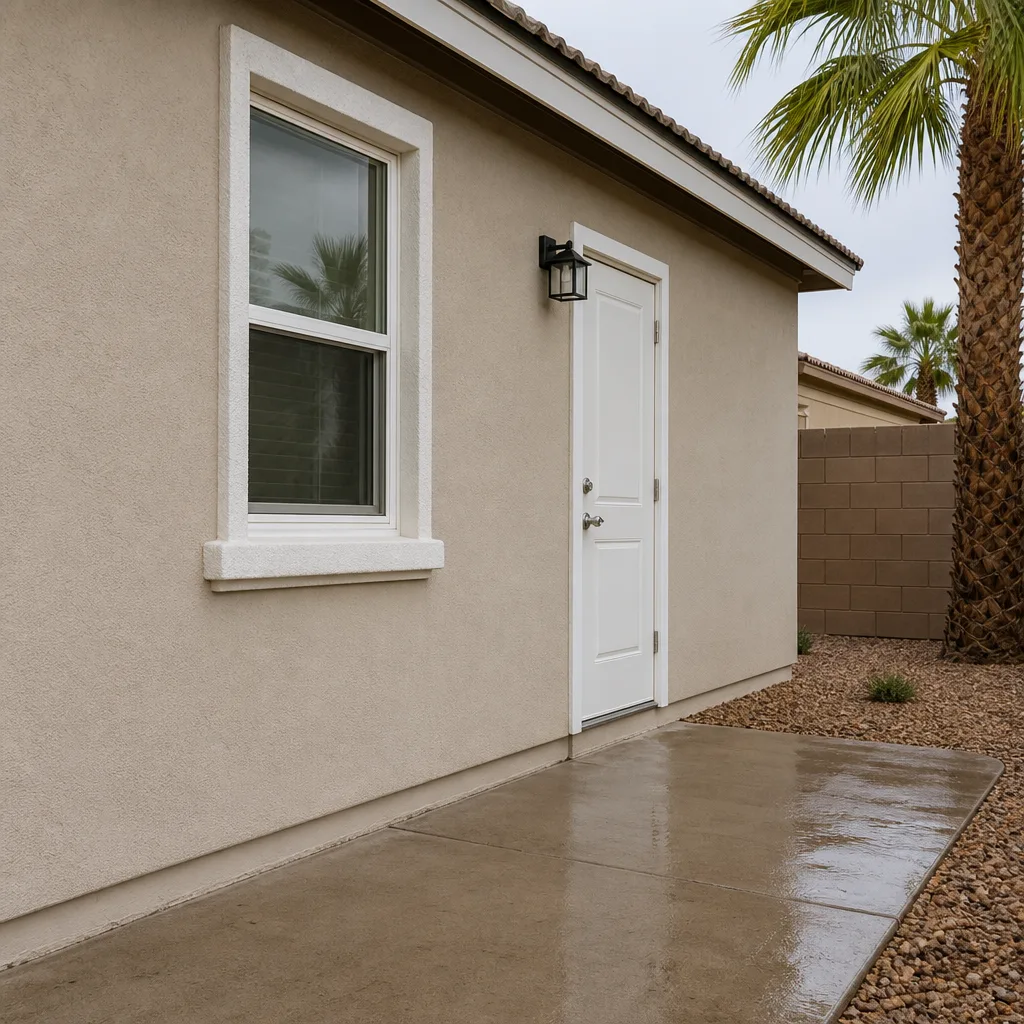
- Sheep Range runoff through hydrostatic pressure. No rain on your Centennial Hills street does not mean no water intrusion. Runoff channeled from the Sheep Range can push water through garage slabs and entry thresholds even during storms that miss your subdivision. Our inspections always include these lower zones, and we ask about mountain weather, not just local conditions.
- Category 3 contamination misidentified as Category 1. When original corroded fittings release water that has been sitting in contact with building materials for days, the water category escalates. Drying Category 3 contamination instead of removing it is a common error in fast-build tract homes where crews rush to deploy fans without testing. We test first, document the category, and scope accordingly.
Pricing for Mold Remediation in Centennial Hills, NV
| Service | Typical Range in Centennial Hills |
|---|---|
| Mold inspection & moisture mapping | $350-$650 |
| Contained mold removal (single room, no demolition) | $1,800-$3,200 |
| Stucco/wall cavity remediation with containment | $4,500-$8,500 |
| Whole-home air quality restoration | $2,200-$4,800 |
| Crawl space / slab moisture control | $3,000-$6,500 |
| Post-remediation clearance testing | $450-$750 |
What moves a Centennial Hills job toward the higher end: stucco removal for cavity access, multiple affected rooms, Category 3 water requiring material disposal, and the need for temporary relocation during active remediation. What keeps costs contained: early detection through moisture mapping, before mold spreads beyond the original water-damaged area. Every job gets a written price before work begins - Haven Standard, Clause 1 - with no scope additions once our crew is inside. Free Second Opinion available on any competitor’s written estimate. Call (702) 483-7932 for exact pricing on your situation.
We Also Serve Cities Near Centennial Hills
Our crews respond throughout the northwest Las Vegas valley, including Centennial Hills, Las Vegas proper, Summerlin, Aliante, and Summerlin South. Dispatch and scheduling are coordinated from our Las Vegas office, with local technicians assigned by proximity to minimize response time to your specific neighborhood.
Serving Centennial Hills, NV - Our Local Coverage Area
We’re based in the Centennial Hills area and know this community well. Use the map below to see our service coverage - if you’re nearby, we can almost certainly help.
FAQs - Mold Remediation in Centennial Hills
Yes. In Centennial Hills’s desert climate, surface materials dry within hours while wall cavities and bottom plates stay wet for weeks. We regularly find elevated moisture readings inside garage walls that appear completely dry from the outside. Our moisture mapping takes 45 minutes and gives you documented proof of whether mold conditions exist. Call (702) 483-7932 to schedule - estimates are free.
Almost certainly. Centennial Hills is a single-generation tract built 2001-2008 by the same crews using the same materials and detailing. When one home develops a failure mode - stucco trapping water, corroded fittings, AC pan overflow - the identical construction on your street means the same conditions are likely present. We offer neighborhood inspection packages for Providence and similar master-planned communities when multiple homeowners report concerns. Call (702) 483-7932 to discuss group scheduling.
Sheep Range runoff. Storms upslope from Centennial Hills channel water toward subdivision drainage systems even when your immediate street stays dry. The hydrostatic pressure pushes water through garage slabs and entry thresholds that aren’t designed to resist it. Our field crews know to check these failure points after any significant mountain storm, regardless of local conditions. We got a call from a homeowner in the Providence master-planned community who saw no rain on their street but woke up to standing water in their garage after a Sheep Range storm pushed runoff down the wash. The invasion came through the entry threshold and soaked the bottom plate of the garage wall, and our moisture mapping found elevated readings inside the wall cavity that the desert air had already dried on the surface. We set up containment, ran a HEPA scrubber and Dri-Eaz dehumidifiers, and took daily moisture readings until the cavity hit pre-loss conditions - then performed an antimicrobial treatment on the slab and lower studs before closing it back up.
Category 1 is clean water from a supply line - remediable with drying. Category 2 is gray water with chemical or biological contamination - requires cleaning and possible material removal. Category 3 is black water with significant pathogens - porous materials must be removed, not dried. In Centennial Hills’s aging 2001-2008 plumbing, water that sits in contact with corroded fittings or wet building materials for more than 24-48 hours often escalates from Category 1 to Category 2 or 3. We test and document the category before scoping, because the wrong protocol wastes money and leaves health hazards behind. Call (702) 483-7932 for category verification on any active leak.
Yes. Injectidry’s panel and mat systems are standard in our Centennial Hills jobs for cavity drying behind stucco without full demolition, supplemented by Dri-Eaz and Phoenix dehumidifiers for ambient moisture control. This equipment combination is specifically effective on the slab-on-grade, stucco-over-frame construction that dominates Centennial Hills, where moisture hides in wall cavities that conventional drying misses. Daily output logs from every machine are included in your documentation package. Call (702) 483-7932 to discuss equipment protocols for your specific situation.
Ready for a written price before any work starts? Call DryMark Restoration Las Vegas at (702) 483-7932 for mold remediation in Centennial Hills. Live person, 24 hours a day, 7 days a week. Free Second Opinion on any competitor’s written estimate. Every job documented with photo records, daily moisture logs, and the 365-Day Done Right Promise under The Haven Standard.
Written by Alicia Brennan, Owner at Back to Dry Restoration, serving Centennial Hills since 2011.